How to Detect Hidden Plumbing Leaks at Home
Is your water bill quietly creeping up? Maybe you’ve noticed a musty odor, or a stain that wasn’t there last week. Hidden plumbing leaks often start as whispers—unseen, unheard, but quietly chipping away at your home’s structure and your wallet.
At RWB Plumbing, we know the stress and mess a hidden leak can cause. Leaks don’t wait for a convenient time. They strike behind walls, under floors, or even above your head, threatening your peace of mind day or night. Let’s walk through how to spot these silent troublemakers, what you can do about them, and when it’s time to get emergency plumbing help.
Where Do Hidden Leaks Lurk? The Most Common Trouble Spots
Water is like a determined explorer—it finds even the smallest crack, hiding where you’d least expect.
- Behind Walls: Pipes run through your walls like veins, often out of sight and mind. A slow drip here can go unnoticed for weeks.
- Under Floors: Especially in bathrooms, kitchens, and basements. Water can seep under tiles, soaking subfloors and causing them to warp or rot.
- Ceilings: If you spot brown stains or bubbling paint on the ceiling below a bathroom or laundry room, water may be sneaking through.
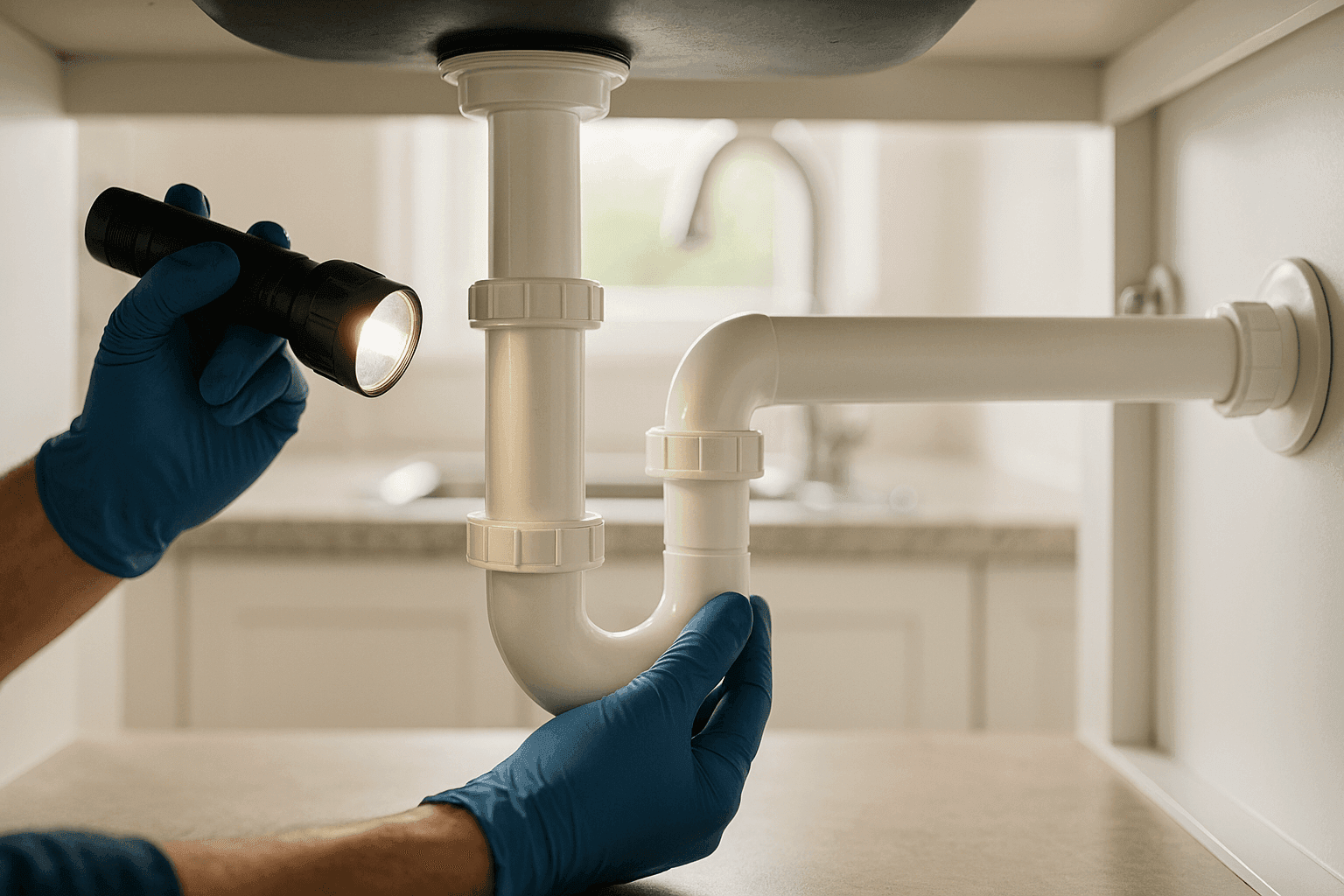
- Under Sinks: Check for puddles, damp cabinets, or warped wood beneath kitchen and bathroom sinks.
- Around Fixtures: Toilets, tubs, and water heaters are all frequent sources of sneaky leaks.
How to Spot the Signs: Visual Indicators 👀
Hidden leaks rarely announce themselves with a splash. Instead, watch for these telltale clues:
- Water Stains: Yellow, brown, or gray marks on walls, ceilings, or floors.
- Peeling or Bubbling Paint: Moisture behind paint pushes it off the wall, leaving blistered or peeling spots.
- Warped Floors: Soft, spongy, or buckling floors can signal water damage beneath.
- Mold or Mildew: Persistent musty smells, or visible mold in corners or on baseboards.
- Crumbling Grout or Caulk: Around tubs, showers, or tiles.
- Unusual Sounds: Listen for hissing, dripping, or the sound of running water when no taps are on.
Hands-On Leak Detection: The Water Meter Test
Your water meter is like your home’s financial accountant—it tracks every drop. Use it to your advantage:
- Turn off all water-using appliances and fixtures. Make sure no one flushes, runs a tap, or uses the dishwasher.
- Find your water meter (usually outside, in a box near the curb).
- Note the meter reading. Wait 30–60 minutes.
- Check again—if the numbers have changed, you’ve got a hidden leak.
This simple test can confirm what your eyes and nose may already suspect.
Feel, Listen, and Sniff: Pro Tips for Detecting Leaks
Sometimes you can’t see a leak, but your other senses can help:
- Touch: Feel along pipes, under sinks, and around toilets for dampness or cool spots.
- Listen: At night, when the house is quiet, listen for faint dripping or trickling behind walls.
- Smell: Musty or earthy odors often mean water is pooling where it shouldn’t.
Quick Safety Checklist for Suspected Leaks
- Check for visible water stains or mold.
- Feel for soft spots on walls, floors, or ceilings.
- Listen for unexplained water sounds.
- Confirm with the water meter test.
- Avoid electrical outlets or appliances near damp areas.
- If you suspect a gas line leak (rotten egg smell), leave your home immediately and call for help.
DIY or Call a Pro? Know Your Limits
Small leaks under a sink? You might tighten a connection or replace a worn washer. But for issues behind walls, under floors, or near electrical wiring, it’s best to call in emergency plumbing help.
Why? Because water is crafty. A leak today can become a burst pipe tomorrow. And plumbing codes (like the International Plumbing Code) require proper repairs to prevent mold and structural damage.
If you’ve tried the basics but still see signs of trouble—or if you’re dealing with persistent mold, a rising water bill, or water near electrical outlets—it’s time for professional detection.
What Pros Do On Arrival: Advanced Leak Detection Tools 🛠️
When you call RWB Plumbing, you’re not just getting a wrench and a flashlight. Our team comes equipped with:
- Thermal Imaging: Detects temperature differences behind walls, revealing hidden moisture.
- Acoustic Sensors: Pinpoint the exact location of leaks by listening for the subtle sound of water escaping pipes.
- Video Inspection: Tiny cameras snake through pipes to find breaks, clogs, or corrosion.
These tools let us find and fix leaks fast—often without tearing up your walls or floors. We’ve handled every scenario, from Water Heater Repair near you to full house repiping.
Prevention & Maintenance: Stopping Leaks Before They Start
A little prevention goes a long way (and saves a lot of money):
- Regular Checks: Inspect under sinks, around toilets, and behind appliances every month.
- Watch Your Bills: Sudden spikes in water use are red flags.
- Schedule Annual Plumbing Inspections: Preventative maintenance can catch small issues before they become big ones.
- Know Your Shut-Off Valves: In an emergency, shutting off water quickly can prevent major damage.
- Upgrade Old Pipes: If your home has aging pipes (especially galvanized steel), consider replacing them.
Following guidelines from the American Water Works Association can help you keep your home dry and safe.
Costs & Time Factors: What to Expect
Leak repairs range widely. A simple under-sink fix might take under an hour. Tracking a hidden leak behind a wall could take several hours—and require advanced tools.
- Detection: Professional testing may take 1–3 hours, depending on the home.
- Repair: Small fixes are quick; larger repairs or repiping can take a day or more.
- Water Damage: If water has soaked into walls or floors, drying and repairs may add to the timeline.
Remember, waiting often means more damage—and higher costs. Address leaks early to save time and money.
When It’s an Emergency 🚨
Some leaks can’t wait:
- Water pooling near electrical outlets or the breaker panel.
- Sudden loss of water pressure throughout the home.
- Burst pipes or rapidly spreading water.
- Suspected gas line leaks (rotten egg smell—evacuate and call immediately).
In these cases, shut off your home’s main water valve and get emergency plumbing help right away.
FAQ: Hidden Leak Questions Homeowners Ask
How do I know if my water heater is leaking?
Check around the base for puddles or rust stains. If you hear hissing or see water dripping from the pressure relief valve, call for Water Heater Repair near you.
Can leaks cause mold?
Absolutely. Moisture behind walls or under floors is the perfect breeding ground for mold and mildew.
Is a small leak really a big deal?
Even a drip can waste hundreds of gallons over a year. And the water can weaken wood, ruin drywall, and cause expensive repairs.
What’s the risk of ignoring a leak?
Leaks get worse, not better. They can damage your home’s structure, increase your water bills, and even lead to electrical hazards.
Local/Seasonal Considerations: When to Watch Extra Closely
- Winter: Freezing temperatures can cause pipes to burst, especially in unheated areas like attics or crawl spaces.
- Spring: Heavy rains may reveal leaks in sump pumps or basement plumbing.
- Older Homes: Houses with original plumbing are more likely to spring hidden leaks—especially if pipes are more than 40 years old.
- After Renovations: Construction can loosen connections or damage pipes.
The Takeaway: Don’t Let a Hidden Leak Sink Your Home
A small leak can cause big headaches. By learning to spot the warning signs—stains, musty smells, unexplained spikes in your water bill—you’re already ahead of the game. But don’t go it alone. If you think you have a hidden leak, especially if water is pooling or electrical systems are nearby, call for emergency plumbing help right away.
At RWB Plumbing, we bring the right tools, the right experience, and 24/7 availability. Whether you need Water Heater Repair near you, leak detection, or urgent pipe repair, we’re here to help—day or night.
Call RWB Plumbing now — or reach us anytime at 877-409-5028 .