Water Heater Repair: Common Issues and Quick Fixes
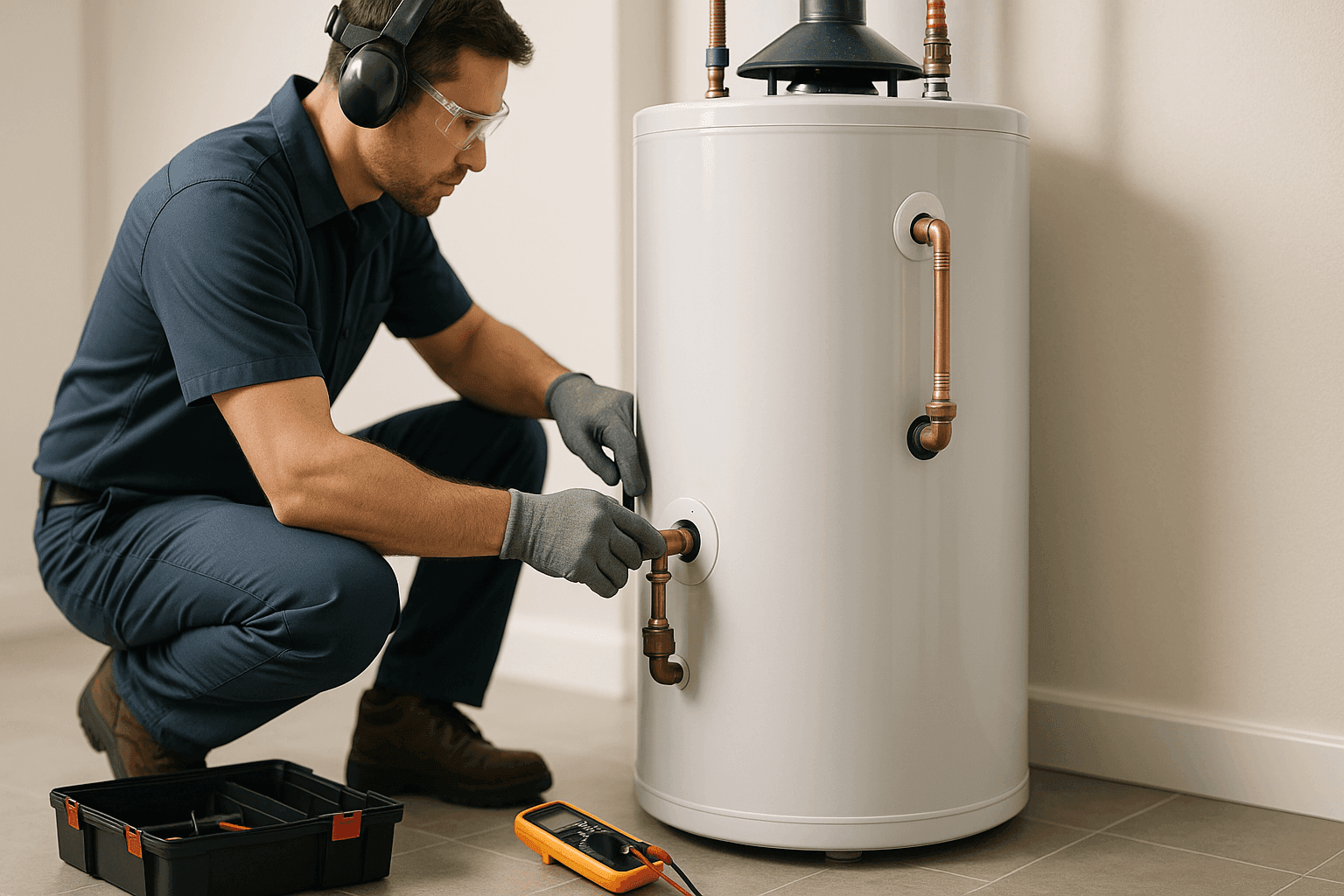
When the shower runs cold or you spot water pooling near your water heater, panic can set in fast. Every minute without hot water feels longer when you’re getting ready for work or wrangling kids at bath time. RWB Plumbing understands—these aren’t just minor inconveniences. They’re urgent problems, and you need clear answers, quick solutions, and someone you can trust in your home.
Below, we break down the most common water heater headaches facing homeowners, step-by-step tips for safe troubleshooting, and when to pick up the phone for emergency plumbing support.
No Hot Water
Hot water is a must for showers, cleaning, and comfort. When your tap runs cold, it's more than annoying—it's disruptive.
Possible Causes
- Tripped circuit breaker (for electric heaters)
- Pilot light out (for gas models)
- Faulty thermostat
- Broken heating element
DIY Checks
- Electric unit: Open your electrical panel and check if the water heater breaker is tripped. Flip it off, then on. Wait an hour—any heat?
- Gas unit: Look for a small blue flame through the viewing window. No flame? The pilot may need relighting. (Always follow the manufacturer’s instructions.)
- Both types: Check the thermostat setting. Is it set to “vacation” or too low? Bump it up to 120°F (49°C).
If you still get no hot water after these steps, the problem could be deeper—like a burned-out element or faulty gas valve.
Strange Noises from the Tank 🔊
Knocking, popping, or rumbling sounds from your water heater aren’t normal. Think of it as your tank’s way of saying, “Hey, something’s off!”
Possible Causes
- Sediment build-up: Minerals in hard water settle at the bottom and “pop” when heated.
- Heating element scaling: The element struggles to heat through the crust.
- Loose parts: Bolts or connections may have rattled loose.
DIY Checks
- Safe flush: If you’re comfortable, shut off power and water, then drain a few gallons from the tank’s bottom spigot into a bucket. This can wash away some sediment.
- Listen closely: If the noises continue, or you see rust in the drained water, it’s time for a professional look.
Leaks Around the Water Heater
A puddle near your water heater can send your worry into overdrive. Water and home foundations don’t mix well.
Possible Causes
- Loose drain valve
- Leaky supply pipes
- T&P (temperature & pressure) relief valve failure
- Corroded tank
DIY Checks
- Tighten connections: Gently snug up any accessible fittings.
- Check the drain valve: Turn it clockwise to ensure it’s closed.
- Inspect the T&P valve: If it’s releasing water, this could indicate high pressure—don’t ignore it.
- Look for rust: Rusty water or tank means the unit may be failing.
If the tank itself is leaking, replacement is the only safe fix. Call for help immediately.
Inconsistent or Scalding Temperatures
Does your water swing from cold to scalding in seconds? That’s more than irritating—it can be dangerous.
Possible Causes
- Malfunctioning thermostat
- Broken mixing valve
- Sediment interfering with sensors
DIY Checks
- Thermostat reset: Many models have a reset button under a panel. Press it and see if things stabilize.
- Check for cross-connections: Make sure cold and hot lines aren’t switched (often happens after DIY repairs).
- If water is dangerously hot, shut off the heater and call for help.
Quick Safety Checklist
Before you touch anything, run through these safety steps:
- Turn off power: Pull the electric breaker or turn the gas valve to “off.”
- Wait for cool-down: Let the tank cool before inspecting or draining.
- Never ignore gas smell: If you smell rotten eggs or hear hissing, leave the area and call your utility provider or the fire department.
- Wear gloves: Hot water and sharp edges can injure.
- Check for standing water: If water is pooling near outlets or wires, stay clear and call an electrician or plumber.
DIY vs. Call a Pro 🛠️
It’s tempting to look up a quick fix, but some situations demand a professional.
Safe DIY Fixes
- Resetting a tripped breaker
- Relighting a pilot (if you have the manual and feel comfortable)
- Draining a few gallons to clear sediment
- Tightening accessible pipe connections
When to Call RWB Plumbing
- You smell gas or suspect a leak
- Water is spraying or flooding
- No hot water after basic checks
- Electrical panels are warm, buzzing, or smell burnt
- Tank is rusted or leaking
Remember, it’s not worth risking your safety for a shortcut. RWB Plumbing is ready for emergency plumbing calls 24/7.
What Pros Do On Arrival
So, you’ve called for “Water Heater Repair near you.” What happens next?
- Assess the situation: We ask about symptoms, check all connections, and look for visible damage.
- Test components: Multimeters check electrical parts; gas detectors sniff out leaks.
- Isolate the issue: We determine if it’s a quick part swap or a deeper problem.
- Repair or replace: We work efficiently to get hot water flowing safely again.
- Cleanup: No mess left behind—just peace of mind.
Our licensed plumbers stay current with local building codes and safety guidelines from groups like the National Fire Protection Association (NFPA) and International Association of Plumbing and Mechanical Officials (IAPMO).
Prevention & Maintenance
A little maintenance goes a long way. Think of it like an annual checkup for your heart—except it’s for your water heater.
- Flush the tank: Once a year helps prevent sediment build-up.
- Check the anode rod: This rod fights rust. If it’s worn, replace it.
- Test the T&P valve: Open it briefly to ensure it releases water (catch it in a bucket).
- Inspect for leaks and corrosion: A monthly glance can spot trouble early.
- Set the thermostat to 120°F (49°C): Hot enough for comfort, low enough for safety.
You can also schedule preventative maintenance with a licensed plumber. It’s simple, affordable, and keeps your home running smoothly.
Costs & Time Factors
Water heater repair costs and timelines depend on the issue.
- Simple fixes: Resetting a breaker or relighting a pilot can take 10–20 minutes.
- Part replacements: Thermostats, valves, or heating elements might take 1–2 hours.
- Major repairs or replacement: Can run half a day, especially if the tank needs to be drained or swapped out.
The price varies by part, labor, and whether it’s an emergency plumbing call. We always explain your options up front.
When It’s an Emergency 🚨
Some water heater issues can’t wait.
- Major leaks or flooding
- No hot water in freezing weather (risk of frozen pipes)
- Gas smell or hissing
- Electrical burning odors
If your safety or property is at risk, call RWB Plumbing day or night. We handle emergencies so you can get back to normal faster.
FAQ
How long do water heaters last?
Most tank-style water heaters last 8–12 years. Tankless units can last up to 20 years with proper maintenance.
Can I fix a water heater myself?
Some minor issues—like resetting a breaker or relighting a pilot—are safe for DIY. But leaks, electrical, or gas problems should always be handled by a licensed plumber.
What’s the best temperature setting?
Set your water heater to 120°F (49°C). It’s hot enough for comfort and to prevent bacteria, but not high enough to scald.
Is a leaking heater dangerous?
Yes. Even a slow leak can lead to mold, water damage, or—in gas units—serious safety risks. Always address leaks quickly.
Local/Seasonal Considerations
In winter, water heaters work overtime. Cold incoming water means your unit has to heat more, and pipes are at greater risk of freezing if your heater fails.
- Plan ahead: Schedule maintenance before the cold hits.
- Check insulation: Wrap pipes and the tank if your utility room is chilly.
- Watch for ice: If you see ice near outdoor lines, call us immediately.
Final Thoughts
Your water heater should be a silent hero—not a source of stress. By understanding the signs of trouble, knowing what you can safely handle, and when to call for emergency plumbing, you protect your home and your peace of mind. When in doubt, RWB Plumbing is just a call away.
Call RWB Plumbing now — or reach us anytime at 877-409-5028 .