Backflow Prevention Tips for Homeowners
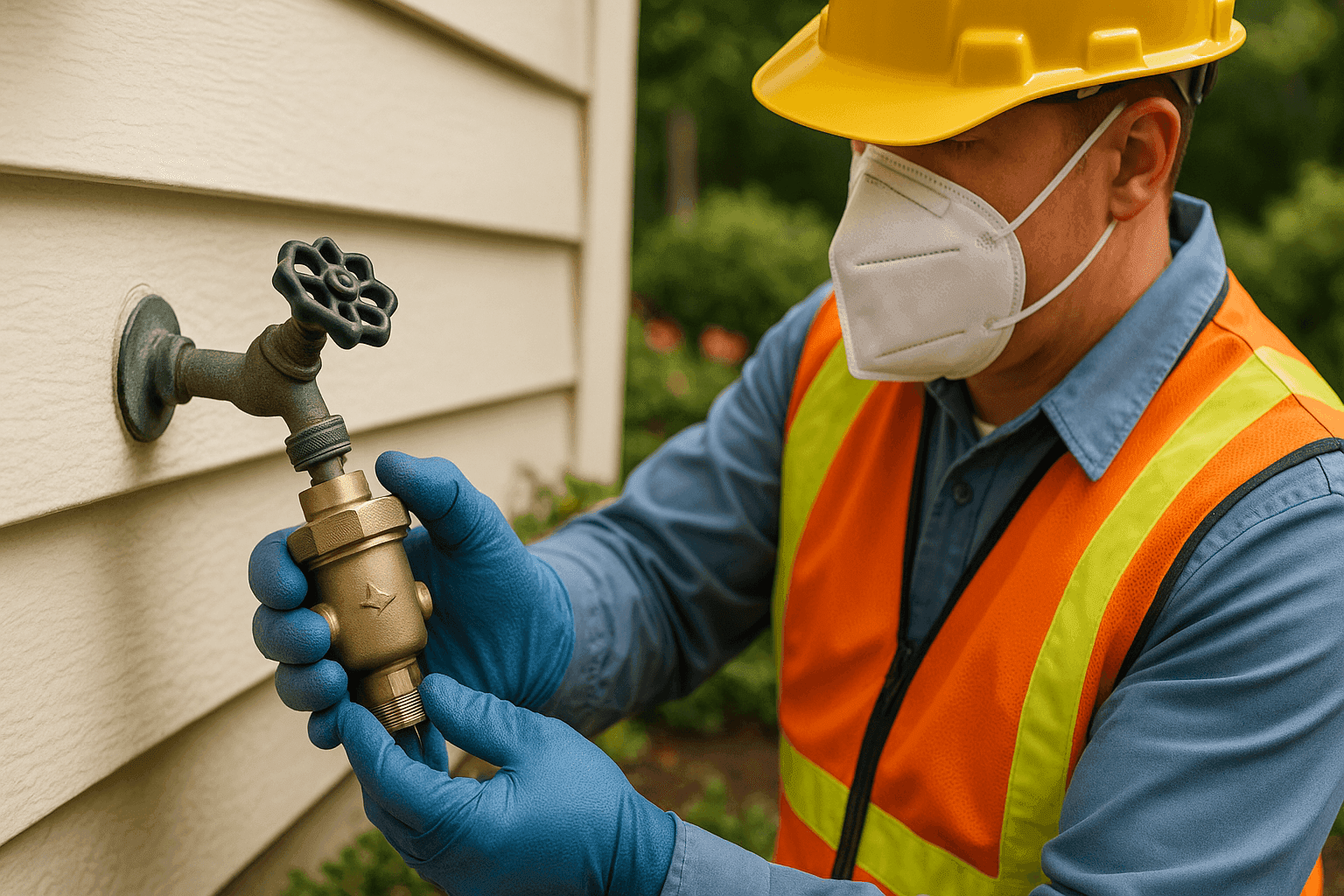
Are you worried about what’s really flowing through your pipes? Backflow is a hidden risk—one that can turn a safe glass of water into something you’d never want to drink. At RWB Plumbing, we know the dangers of backflow aren’t just plumbing problems—they’re health hazards.
You wouldn’t let someone dump dirty water into your kitchen sink. But a faulty hose or a small cross-connection can do just that, right under your nose. Let’s break down how backflow happens and how you can protect your home, family, and peace of mind.
How Does Backflow Happen in a Home?
Backflow is like a wrong-way driver on a busy street. Your water should only flow one direction: clean, fresh, and straight to your taps. But pressure changes—like a burst pipe or a fire hydrant in use—can suck water backwards. Suddenly, contaminants find their way into your home’s supply.
Common culprits in residential plumbing include:
- Cross-connections: Where your clean water and used water meet. Think of a garden hose submerged in a bucket, or a faucet with a sprayer hanging into a sink full of dirty dishes.
- Hose bibs: Outdoor spigots without backflow devices. Water from the hose can siphon back into the pipes. If the hose is in a puddle or pool, those germs can tag along.
- Irrigation systems: Lawn sprinklers connect to your home’s water. Without the right prevention, soil and fertilizer can be pulled right into your plumbing.
The risk isn’t just to your home. Backflow can impact the whole neighborhood. That’s why local plumbing codes and safety guidelines from the EPA and the Uniform Plumbing Code require backflow prevention devices at certain points.
Quick Safety Checklist: Backflow Prevention at Home ✅
- Inspect all hose bibs for vacuum breakers.
- Never let hoses sit in pools, buckets, or ponds.
- Check irrigation systems for approved backflow preventers.
- Ensure outdoor faucets have anti-siphon devices.
- Keep kitchen and bathroom fixtures above flood level (the rim of the sink or tub).
- Schedule annual backflow testing with a certified technician.
- Know your main water shutoff location.
Small steps, big difference. Spend five minutes on this checklist every season—especially before heavy yard work or winter shutdowns.
Backflow Prevention Devices: What, Where, and Why
Think of prevention devices like seat belts for your plumbing. They don’t get in the way, but when something goes wrong, they save the day.
Where Are Devices Installed?
- At hose bibs: Add a vacuum breaker to every outdoor spigot.
- On irrigation lines: Install a reduced pressure zone (RPZ) or double check valve assembly.
- At boilers: Prevents heating system water from contaminating your drinking supply.
- Under sinks: Air gaps on dishwasher and washing machine drains.

Types of Devices
- Atmospheric vacuum breaker (AVB): Simple, usually for hose bibs and lawn sprinklers.
- Pressure vacuum breaker (PVB): For irrigation, resists higher pressures.
- Double check valve assembly (DCVA): For low hazard, like fire sprinkler systems.
- Reduced pressure principle assembly (RPZ): For high hazard, like chemical feeders or commercial kitchens.
Always use devices approved by your local code. The American Water Works Association (AWWA) and local authorities set standards for these installations.
Maintenance: Keeping Your Backflow Devices Ready 🛠
A backflow device is only as good as its last checkup. Over time, minerals, grit, or freezing can damage internal parts. Annual inspections aren’t just smart—they’re required in many places.
- Mark your calendar for yearly backflow testing.
- Check device vents for leaks or drips.
- In winter, shut off and drain outdoor irrigation systems to prevent freeze damage.
- After yard work, inspect for accidental bumps or damage.
If you notice reduced water pressure, a hissing noise, or visible leaks, it’s time to call for help. Don’t try to open or adjust a backflow preventer yourself. It’s a job for a certified technician.
Safe Habits: Everyday Ways to Prevent Backflow
- Never submerge hoses in anything you wouldn’t drink.
- Use spring-loaded hose nozzles that shut off automatically.
- Don’t connect garden chemicals directly to hoses.
- Make sure all fixtures are above the rim of sinks, tubs, or basins.
- Teach everyone in your home why backflow matters.
Simple habits prevent big headaches. Clean water is everyone’s responsibility.
DIY or Call a Pro? Knowing Your Limits
Changing a hose bib? That’s a fair weekend project for a handy homeowner. Installing or testing a backflow prevention assembly? That needs special tools, training, and certification.
You should call a pro if:
- Your irrigation system needs a new backflow device.
- You’re unsure if your devices meet code.
- You notice discolored water or odd tastes.
- Your annual inspection is due.
At RWB Plumbing, our technicians are certified for backflow testing, repair, and installation. We carry the right gauges, know the latest codes, and file inspection reports as required by city and state guidelines.
What Happens When the Pros Arrive
When you call for backflow help, here’s what happens:
- Assessment: We check your plumbing for cross-connections, missing devices, or old hardware.
- Testing: Using calibrated gauges, we measure device performance under pressure.
- Report: You receive a written inspection with results—required for compliance.
- Recommendations: If repairs or upgrades are needed, we explain your options in plain language.
- Repairs/Replacement: Only after your go-ahead, we complete the work safely and to code.
We treat your home with care. Tools are sanitized and work areas left clean.
Costs & Time Factors: What to Expect
Backflow prevention isn’t a luxury. It’s an investment in water safety. Costs vary by device type, local inspection fees, and system complexity. Here’s what to expect:
- Device installation: Can be quick (hose bibs) or more involved (irrigation lines).
- Annual testing: Most appointments take 30–60 minutes.
- Repairs: Parts can sometimes be replaced on the spot; some assemblies may require full replacement.
- Inspection paperwork: Certification is filed with your city or water provider—handled by our team.
Ask for an estimate before work begins. Good pros explain every step.
When It’s an Emergency 🚨
Some backflow issues can’t wait:
- Water suddenly smells or tastes odd.
- Pressure drops sharply across your whole house.
- Flooding or leaks near a backflow device.
- Water is visibly dirty, yellow, or brown.
If you suspect contamination, stop using your water. Turn off the main supply if safe and call an emergency plumbing service like RWB Plumbing right away. Fast action protects your health and prevents bigger repairs.
FAQs: Backflow Prevention for Homeowners
Q: How often should I have my backflow prevention device tested?
A: Most local codes require annual testing. Always use a certified technician for the inspection.
Q: Can I install a backflow device myself?
A: Simple devices like vacuum breakers can be DIY. For irrigation or whole-house protection, hire a licensed professional.
Q: What are the signs of backflow problems?
A: Dirty water, odd smells, sudden loss of pressure, or unexplained leaks near prevention devices.
Q: Is backflow really dangerous?
A: Yes. It can introduce fertilizers, bacteria, or chemicals into your drinking water. Prevention is key to health and safety.
Local and Seasonal Backflow Risks
Spring and summer bring yard work, garden hoses, and irrigation. That’s when most backflow incidents happen. Autumn and winter? Freezing temps can crack devices, making them useless when you need them most.
- After big storms: Pressure changes in the city system are more likely.
- During drought: Water main work can change flow direction.
- Yard care season: Hoses and irrigation are in constant use—double-check devices.
Always follow local plumbing code for your city or county. The Environmental Protection Agency (EPA) and your local water authority publish backflow prevention guidelines—check them if you have questions.
RWB Plumbing: Your Certified Backflow Inspection Team
Backflow isn’t just another plumbing task. It needs certified pros who know what to look for and how to keep your home—and community—safe. RWB Plumbing’s technicians are trained, certified, and equipped to test, install, and repair any required device.
We help homeowners stay in compliance, avoid fines, and most importantly, keep their water safe to drink. If you’re unsure about your home’s risk, or you need annual certification, don’t wait.
Call RWB Plumbing now — or reach us anytime at 877-409-5028 .