Bathroom Plumbing Upgrades: Modern Solutions for Old Problems
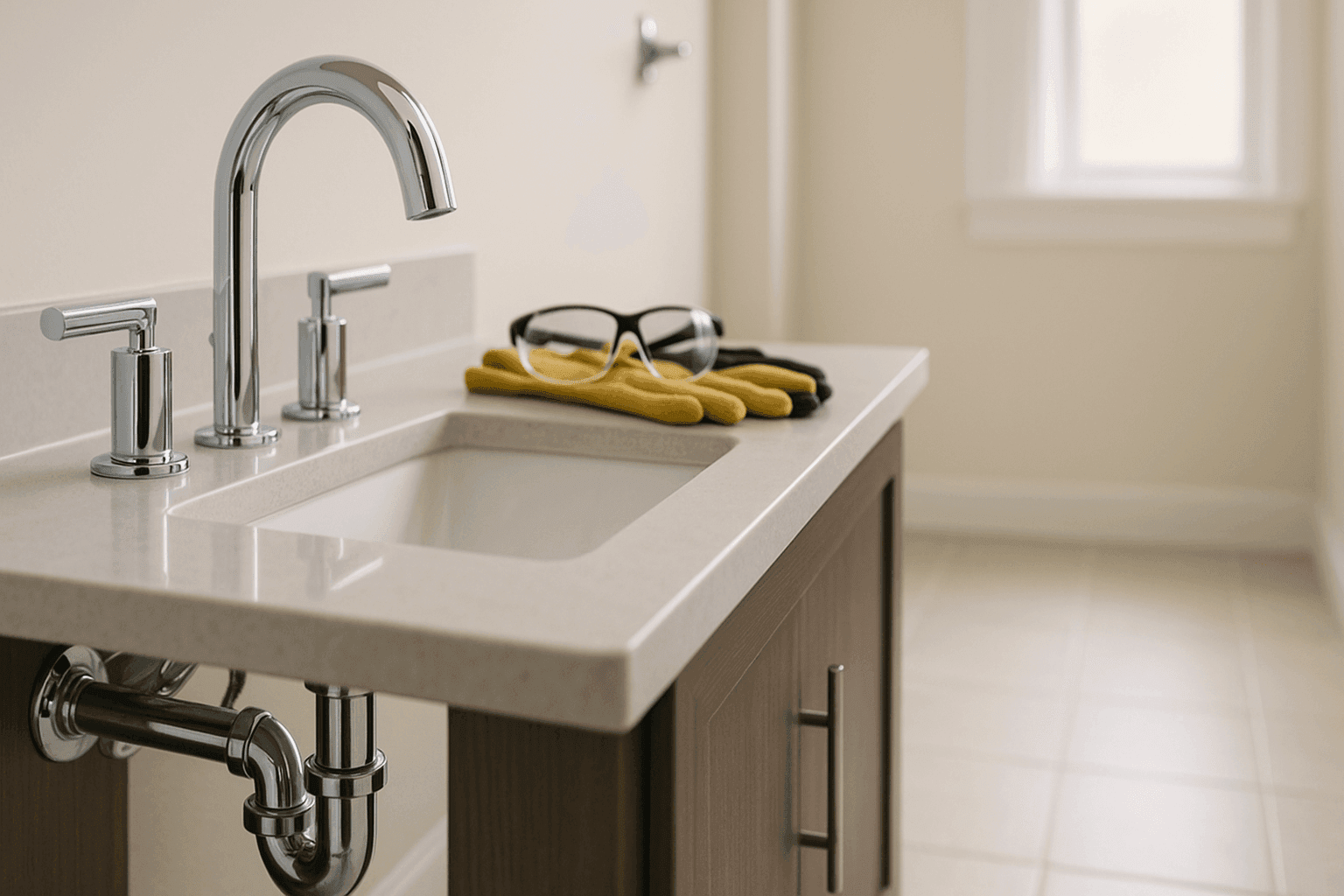
Tired of a bathroom that feels stuck in the past? Dripping faucets. Water-stained tile. Pipes that groan and rattle when you turn on the tap. These aren’t just annoyances—they’re signals your bathroom is due for a serious upgrade.
At RWB Plumbing, we've seen every kind of bathroom woe. From slow-draining sinks to showers that never quite get hot enough. We know what it takes to turn an outdated bathroom into a place that’s comfortable, efficient, and worry-free.
Common Old Bathroom Plumbing Problems
Every home tells a story. In the bathroom, the plot often starts with leaks, low water pressure, or drains that take forever. These aren’t just quirks—they’re clues.
- Slow Drains: Soap scum, hair, and old pipes combine to create stubborn clogs.
- Persistent Leaks: Tiny drips waste gallons of water and sneak up on your utility bill.
- Low Water Pressure: Mineral build-up or aging pipes mean weak showers and slow-filling tubs.
- Rusty Fixtures: Faucets and showerheads corroded by hard water can look grimy and perform badly.
- Old Pipe Materials: Galvanized steel and cast iron pipes, common in older homes, corrode and clog over time.
If this sounds familiar, you’re not alone. And you don’t have to live with it.
Upgrade Your Fixtures: Small Changes, Big Impact 🚿
Modern fixtures do more than look good—they save water, resist buildup, and perform better.
What to Consider
- Faucets: Swap out old, leaky faucets for models with ceramic disc valves and WaterSense labels.
- Showerheads: Low-flow options can cut water use without sacrificing pressure.
- Toilets: Dual-flush and pressure-assisted designs use less water per flush.
- Sinks: Undermount or vessel sinks with updated drains reduce the risk of future leaks.
Before & After: A Visual Shift
Picture a rusty, dripping faucet replaced with a sleek, single-handle model. Imagine your tub filling twice as fast, with water that stays hot. That’s the power of fixture upgrades.
Pipe Material Replacement: The Hidden Hero
Behind every wall, pipes quietly do their job—or quietly cause trouble. Many older homes have pipes made from materials that just don’t hold up over decades.
- Galvanized Steel: Prone to rust and narrowing on the inside, causing pressure drop.
- Cast Iron: Heavy and durable, but susceptible to internal corrosion and blockages.
- Polybutylene: Used from the late 1970s to mid-1990s, these pipes can become brittle and crack.
Modern Materials for Modern Homes
- PEX (Cross-linked Polyethylene): Flexible, freeze-resistant, and easy to install.
- Copper: Time-tested, reliable, and naturally antimicrobial.
- CPVC: Good for both hot and cold water, resists scaling.
Upgrading your pipes isn’t just for show. It’s about making your bathroom—and your whole house—safer and more reliable for years to come.
Water-Saving Solutions: Smart & Sustainable 🚰
Water is precious. Modern bathrooms use less of it, without sacrificing comfort.
- Aerated Faucets: Mix air into the stream, cutting water use while maintaining pressure.
- Dual-Flush Toilets: Choose a light flush for liquid waste and a full flush for solids.
- High-Efficiency Showerheads: Less than 2 gallons per minute, compared to old models that use double.
- Leak Detection Systems: Smart sensors alert you to hidden leaks before they cause damage.
Small changes add up. According to the EPA WaterSense program, swapping out old fixtures can save the average family hundreds of gallons each year.
Design and Accessibility: More Than Just Looks 🛁
A bathroom upgrade isn’t just about pipes and taps. It’s about making the space safer and easier for everyone.
- Lever-Style Handles: Easier for kids or anyone with arthritis.
- Zero-Threshold Showers: No step up, reducing trip hazards.
- Grab Bars: Discreet but sturdy, blending into modern designs.
- Raised-Height Toilets: More comfortable for adults and seniors.
Good design means a bathroom that works for you—today and as your needs change.
Quick Safety Checklist
Before you start any plumbing upgrade, make safety your first step.
- Shut off the main water supply.
- Test for water leaks before and after any work.
- Use GFCI outlets near all water sources.
- Follow local codes for pipe installation and fixture placement (check the International Plumbing Code for guidance).
- Use protective eyewear and gloves during demolition or installation work.
If you’re unsure, stop. Some jobs are best left to a professional.
DIY or Call a Pro?
Some upgrades are straightforward. Replacing a showerhead or faucet, for example, is usually within reach for a handy homeowner. But when you need to cut into walls, reroute pipes, or deal with gas lines, don’t go it alone.
- DIY-Friendly: Showerheads, faucets, simple drain cleaning.
- Pro-Only: Pipe replacement, gas line installation, major leak repairs, sewer line work.
Remember: Plumbing mistakes can lead to water damage, mold, and even safety hazards.
What Pros Do On Arrival
When you call RWB Plumbing, expect a systematic approach:
- Inspection: We assess visible issues and check behind walls with camera tools if needed.
- Diagnosis: Pinpoint the root cause—old pipes, faulty fixtures, hidden leaks.
- Solution: Offer options—repair, upgrade, or full replacement.
- Installation: Use modern materials and code-compliant methods.
- Testing: Double-check for leaks, test water pressure, and ensure everything works.
We treat your home with respect, keeping work areas clean and minimizing disruption.
Prevention & Maintenance
The best bathroom is one you never have to worry about. Regular checks and small fixes go a long way.
- Check for Leaks: Inspect under sinks and around toilets every month.
- Clean Drains: Use hair catchers and avoid harsh chemicals.
- Flush Water Heater: Once a year, reduces sediment and extends life.
- Test Shutoff Valves: Make sure they turn easily in case of emergency.
- Schedule Routine Inspections: A plumber can spot issues before they become emergencies.
According to the CDC and local building authorities, proactive maintenance is the safest way to protect your plumbing—and your home.
Costs & Time Factors
Upgrading bathroom plumbing is an investment, but costs vary widely.
- Fixture Replacements: Usually the quickest and most affordable.
- Pipe Replacement: More involved, especially if walls or floors need to be opened.
- Full Remodels: Most expensive, but offer the biggest transformation.
Timeframes can range from a few hours (for faucets or toilets) to several days (for full repiping or remodels).
When It’s an Emergency
Some plumbing problems just can’t wait.
- Burst Pipes: Shut off main water and call for emergency plumbing help.
- Major Leaks: Water pooling on the floor or dripping from the ceiling means immediate action.
- Sewage Backups: Health hazard—leave the area and call for professional assistance.
- No Hot Water: If your water heater fails, especially in winter, seek Water Heater Repair near you.
RWB Plumbing is ready for emergencies, day or night.
FAQ: Bathroom Plumbing Upgrades
Why is my bathroom water pressure so low?
Most often, it’s due to mineral buildup or old, corroded pipes. Sometimes a faulty pressure regulator is to blame.
How do I know if I need new pipes?
Stains, frequent leaks, low pressure, or visible rust are all warning signs. A professional inspection can confirm.
Are water-saving fixtures worth it?
Yes. They reduce bills and help conserve water without sacrificing performance, according to EPA WaterSense standards.
Can I upgrade my bathroom in stages?
Absolutely. Start with the most urgent problems, then plan for bigger projects as your budget allows.
Local and Seasonal Considerations
Climate and local water quality play a big role in bathroom plumbing.
- Cold Climates: Insulate pipes to prevent freezing in winter.
- Hard Water Areas: Install water filtration systems to protect fixtures and improve longevity.
- Older Homes: Expect more surprises—hidden leaks, outdated materials, and code issues are common.
Be sure to follow local codes and consult your municipality’s plumbing guidelines.
Ready to turn your bathroom into the modern, comfortable space you deserve? Call RWB Plumbing now — or reach us anytime at 877-409-5028 .