Boiler Repair vs. Replacement: How to Decide
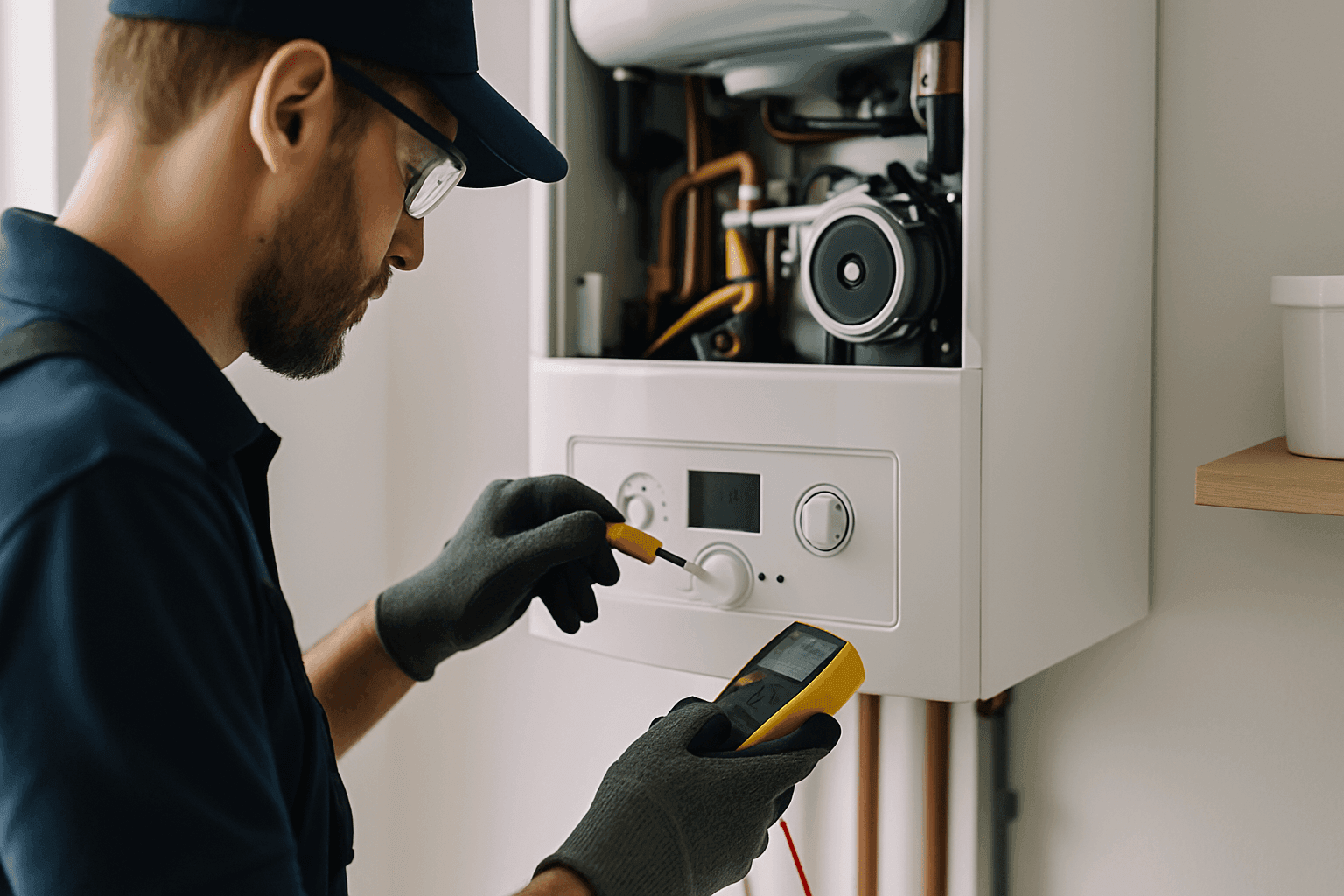
When your boiler sputters, rattles, or simply refuses to heat your home, stress can set in fast. Home comfort hangs in the balance. Is it a quick fix? Or does it signal a bigger issue—a complete replacement?
At RWB Plumbing, we know these decisions can feel overwhelming. You're not alone. Our certified technicians help families every day, offering clear explanations and straightforward solutions. Let's walk through what matters most when facing boiler troubles, so you can breathe easier.
Boiler Problems: When the Heat Fades
Boilers are the heart of many homes. But like any hardworking appliance, time and wear can take their toll. Some problems whisper. Others shout. Here are the most common issues homeowners face:
- No heat or hot water. Suddenly, showers are icy and radiators stay cold.
- Leaks and puddles. Water where it shouldn’t be spells trouble.
- Strange noises. Banging, whistling, or gurgling can be early warning signs.
- Frequent cycling. Boiler turns on and off repeatedly, never settling.
- Loss of pressure. Weak flow from taps or radiators underperforming.
- Odd smells. Metallic, burning, or gas odors require immediate attention.
Each clue points to a possible diagnosis. But deciding between a repair and a full replacement depends on more than just what you see or hear.
Quick Safety Checklist 🛑
Before doing anything, safety comes first. Here’s what every homeowner should check:
- Smell gas? Leave immediately. Contact emergency services.
- Visible water near the boiler? Turn off the power to the unit.
- Unusual noises or vibrations? Don’t ignore them—shut down the boiler if safe.
- Burning smell? Cut the power and ventilate the area.
If any of these apply, don’t wait. Call RWB Plumbing or your local emergency plumbing service for immediate help. For reference, always follow guidelines from the National Fire Protection Association (NFPA) and your local building codes.
DIY vs. Call a Pro
Some boiler hiccups are minor. Others can be dangerous. Here’s how to know when to try a simple fix and when to call in a professional:
Safe to Try Yourself:
- Checking the thermostat settings and batteries.
- Resetting the boiler if your manual says it’s safe.
- Bleeding radiators to release trapped air.
- Ensuring circuit breakers haven’t tripped.
Leave to Certified Techs:
- Any repair requiring you to open the boiler case.
- Gas-related issues or persistent leaks.
- Electrical faults or recurring pressure drops.
- Replacing key components (heat exchangers, pumps, valves).
Boilers are complex machines. Even small mistakes can cause bigger problems. That’s why RWB Plumbing always recommends having a certified technician handle repairs, especially when gas or high-pressure systems are involved.
What Pros Do On Arrival
When you call RWB Plumbing, our technicians arrive prepared and focused. Here’s what you can expect:
- Thorough diagnostic check. We listen for noises, inspect for leaks, and test all controls.
- Pressure and temperature readings. These tell us how your system is running.
- Component testing. Each part—from the ignition to the pumps—is checked for wear or failure.
- Clear explanation. We show you what we find, using simple language and visuals.
- Transparent quotes. No guesswork. You get an upfront, detailed estimate before any work begins.
Our goal? No surprises. Just honest recommendations about what’s repairable—and when replacement is safer or more cost-effective.
Prevention & Maintenance: Keep Your Boiler Running
An ounce of prevention really is worth a pound of cure. Here’s how to help your boiler go the distance:
- Annual professional inspection. This is not just recommended—it’s considered best practice by the U.S. Department of Energy.
- Flush the system. Removes sediment that can damage the heat exchanger.
- Test pressure relief valves. Ensures safety during normal use.
- Replace worn seals and gaskets. Stops leaks before they start.
- Check carbon monoxide detectors. Especially vital for gas boilers.
Stick to a regular maintenance schedule, and you’ll extend your boiler’s life while reducing the risk of sudden breakdowns.
Costs & Time Factors: Repair vs. Replace
Let’s talk numbers. While every situation is unique, here’s what most homeowners can expect:
Repair Costs
- Minor fixes: Replacing thermostats, pressure valves, or ignitors can range from $150 to $500.
- Moderate repairs: Fixing leaks, replacing pumps, or addressing electrical faults may run $500 to $1,500.
- Major repairs: Heat exchanger or control board replacement often costs $1,500 or more.
Replacement Costs
- Boiler replacement: Installing a new residential boiler can range from $3,500 to $8,000+, depending on size and efficiency.
- Energy efficiency: Newer models often save 10–30% on energy bills, according to ENERGY STAR.
Time Considerations
- Repairs: Most fixes take a few hours to a day.
- Replacement: Full installation may require 1–3 days, including safe removal and code compliance checks.
Remember, older boilers are less efficient and more prone to breakdowns. Sometimes replacing saves money in the long run.
When It’s an Emergency
Some situations demand immediate action. If you find yourself facing any of these, call emergency plumbing services right away:
- Gas leaks or suspected carbon monoxide.
- Major water leaks or flooding.
- No heat during winter’s coldest nights.
- Boiler won’t turn off or shows error codes.
Fast action protects your home and family. RWB Plumbing is always ready to respond, day or night.
FAQ: Common Questions Homeowners Ask
How long does a boiler last?
Most residential boilers last 10–15 years with regular maintenance. After that, efficiency drops and repairs become frequent.
Will repairs affect my warranty?
Always check your manufacturer’s warranty. Many require service by certified technicians and regular maintenance.
What’s the biggest sign it’s time to replace?
If you’re calling for repairs more than once a year, or energy bills keep rising despite tune-ups, replacement may be the better investment.
Can I upgrade to a more efficient model?
Absolutely. New condensing boilers and high-efficiency models often pay for themselves over time through lower utility bills.
Local and Seasonal Considerations 🌬️
Boilers work hardest when temperatures plummet. In colder months, pipes are at greater risk for freezing, and demand for emergency plumbing spikes. Schedule annual checks before winter sets in. If you’ve just moved into an older home, have your boiler inspected right away—even if it seems to be working fine. Local building codes may require upgrades to meet current safety standards. RWB Plumbing always ensures every installation or repair aligns with the latest guidelines from the International Residential Code (IRC) and the National Board of Boiler and Pressure Vessel Inspectors.
Still unsure what your boiler needs? RWB Plumbing brings clarity and comfort—without the guesswork. Our certified technicians deliver honest diagnostics, transparent quotes, and dependable service for every home.
Call RWB Plumbing now — or reach us anytime at 877-409-5028 .