DIY Drain Cleaning: What Works (and What Doesn’t)
Every homeowner dreads that moment—a slow drain, a rising puddle, or the telltale gurgle that means trouble is brewing somewhere out of sight. It’s tempting to reach for whatever’s under the sink. But not all fixes are safe, and some can make things much worse. At RWB Plumbing, we’ve seen it all: quick fixes that go sideways, and small clogs that turn into big emergencies overnight.
Let’s break down what truly works for DIY drain cleaning. You’ll also learn what never to try, red flags that scream “call for emergency plumbing!”, and why professional help is sometimes the only way forward.
Why Drains Clog—and How to Spot Trouble Early
Think of your drain like a city street: when traffic moves, all is well. But one fender bender (or clump of hair and soap) and the whole route jams up. Kitchen sinks, bathroom drains, and main lines all face different “traffic jams,” but the warning signs usually look the same:
- Water draining slowly, even after you clear visible debris
- Persistent bad odors, like rotten eggs or musty water
- Gurgling sounds in pipes
- Water backing up into sinks, tubs, or toilets
Ignoring these can turn a small annoyance into a full-blown emergency plumbing situation.
Quick Safety Checklist Before You Start 🛑
Before you grab a plunger or mix up a baking soda cocktail, take a quick pause. Safety comes first:
- Always wear rubber gloves to protect your skin from bacteria and chemicals.
- Never mix chemical drain cleaners—combining products can create toxic fumes.
- Turn off water supply if you’re removing fixtures or using hand tools.
- Avoid using boiling water on porcelain sinks or toilets (it can crack the bowl).
- Keep small children and pets away from your work area.
- If you smell gas or see standing water near outlets, stop immediately and call for help.
According to the International Association of Certified Home Inspectors, improper DIY can damage pipes or put you at risk. Don’t take shortcuts.
Kitchen Drains: What Works, What Doesn’t
Grease, food scraps, and soap combine in kitchen drains to form stubborn clogs. Here’s your playbook:
What Works
- Boiling Water: Carefully pour a kettle of boiling water directly down the drain (but skip this if you have PVC pipes—it can warp them).
- Baking Soda & Vinegar: Pour half a cup of baking soda, followed by half a cup of vinegar. Cover the drain for 10 minutes, then flush with hot water. This fizzy reaction helps dislodge minor gunk.
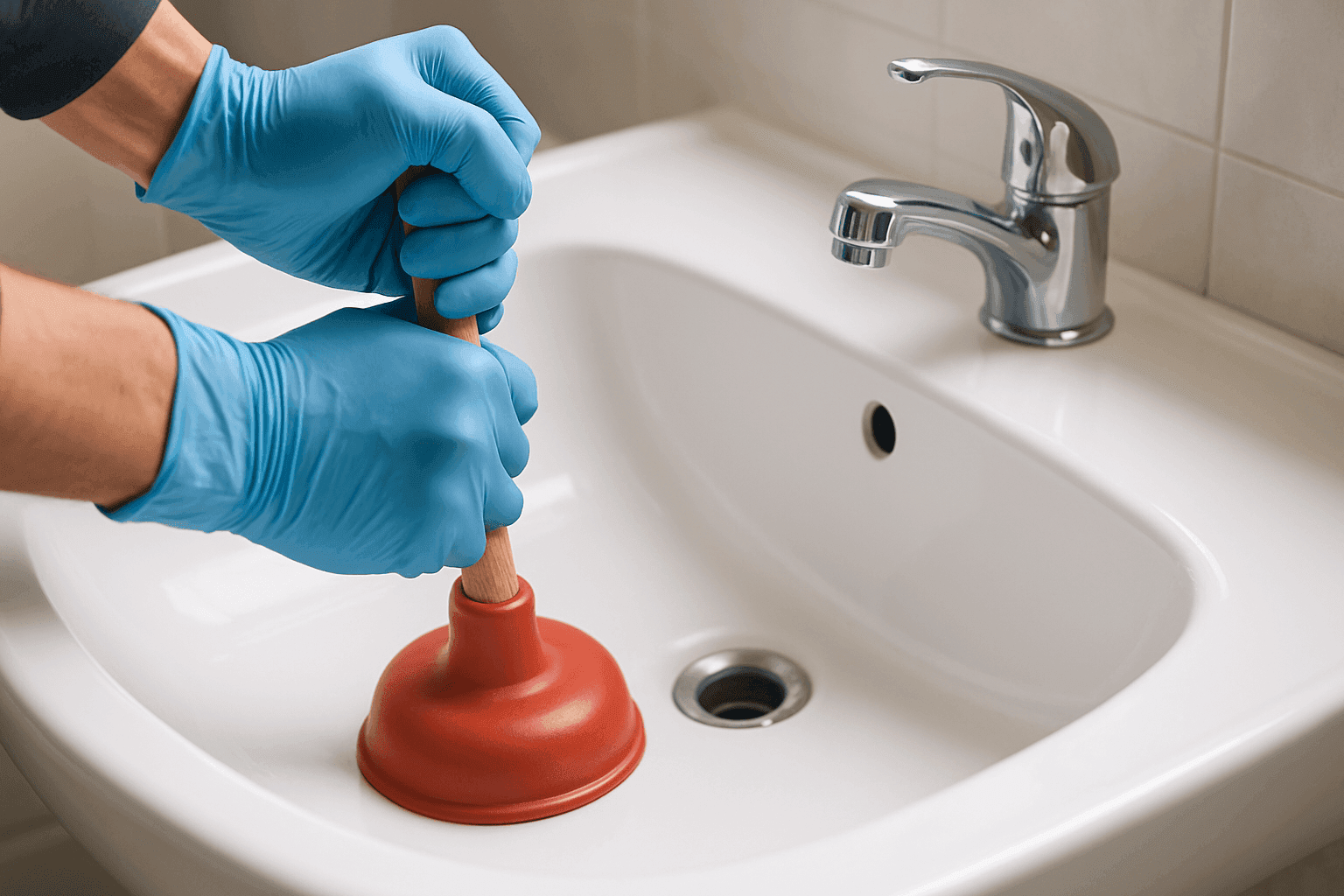
- Plunging: Use a cup plunger (flat-bottomed) for sinks. Fill the basin with a few inches of water, cover the overflow hole, and plunge in steady, strong bursts.
What to Avoid
- Chemical Drain Cleaners: These can eat away at pipes and harm the environment. According to the EPA, chemical cleaners are a top cause of accidental poisonings.
- Wire Hangers: Unwinding a hanger to poke at clogs can scratch pipes and snag more debris.
- Garbage Disposal Misuse: Never stick hands or utensils in a running unit—turn off power first.
Bathroom Drains: Tips for Tubs, Showers, and Sinks 🚿
Hair, soap scum, and toothpaste build up fast. Here’s how to keep things moving:
What Works
- Plunger: For sinks and tubs, use a small plunger. Remove the stopper to access clogs.
- Zip-It Tool: These plastic barbed strips pull hair and gunk from the drain. Cheap, safe, and effective.
- Baking Soda & Vinegar: Works just as well here as in kitchens.
What to Avoid
- Harsh Chemicals: Especially in older homes, these can corrode pipes and fixtures.
- Removing Traps Without Know-How: If you’re not sure how to reseal a P-trap, don’t take it apart.
Main Drains: When the Stakes Are Higher
Main sewer lines handle everything from your home. If these clog, you’ll notice slow drains all over, gurgling toilets, or water backing up in the basement.
What Works
- Plunger: For toilets, use a flange plunger (with a collar). Try several firm pumps.
- Toilet Auger: A hand-cranked snake can clear blockages within a few feet of the bowl.
- Enzyme Cleaners: Look for non-toxic, bacteria-based products that break down organic matter safely.
What to Avoid
- High-Pressure Water Jets (DIY): These require pro-level equipment and training.
- Snake Rentals Without Experience: Power augers can damage pipes or cause injury.
DIY vs. Call a Pro: How to Decide
Sometimes a simple fix gets you back to normal. Other times, you’re dealing with a much bigger beast. Watch for these red flags:
- Recurring clogs: If you’re plunging the same drain every week, it’s time for fresh eyes.
- Multiple slow drains: This can point to a main line issue—potentially outside your home.
- Foul odors that don’t fade: Persistent smells may signal trapped debris or even a broken sewer line.
- Water pooling or flooding: Standing water is an urgent warning sign.
- Unusual sounds: Bubbling, hissing, or whistling pipes can indicate air gaps, leaks, or worse.
If you spot any of these, don’t wait. Emergency plumbing services like those from RWB Plumbing can prevent costly damage and get you back to normal, fast.
What Pros Do On Arrival
When RWB Plumbing shows up, we don’t guess. We bring advanced equipment—think of it like medical imaging for your pipes.
- Video Camera Inspections: Tiny waterproof cameras reveal exactly where and what the clog is.
- Eco-Friendly Hydro Jetting: High-pressure water scours pipes clean, using no harsh chemicals.
- Professional-Grade Snakes and Augers: These reach deep clogs without damaging your plumbing.
- Leak Detection Tools: Acoustic and thermal sensors pinpoint hidden leaks behind walls or under floors.
Our technicians are trained to follow industry safety standards, like those outlined by the International Plumbing Code and local building codes. We also dispose of waste and debris responsibly, keeping your family and the environment safe.
Prevention & Maintenance: Keep Drains Flowing
A little prevention goes a long way. Here’s how to keep your pipes in top shape:
- Use drain strainers in sinks, tubs, and showers to catch hair and food particles.
- Never pour grease or coffee grounds down the drain—collect in a jar and toss in the trash.
- Flush drains monthly with hot (not boiling) water.
- Run cold water when using the garbage disposal to solidify fats and move them along.
- Schedule regular maintenance: Annual checkups catch problems early, especially in older homes.
Costs & Time Factors: What to Expect
DIY fixes are tempting because they seem fast and cheap—but costs can add up if things go wrong.
- Simple DIY methods (baking soda, plungers) usually cost under $10 and take 10–30 minutes.
- Enzyme cleaners cost more, but are safer and still under $20.
- Professional drain cleaning varies based on severity, location, and time of day—emergency plumbing calls or after-hours visits may cost more.
- Major repairs (like sewer line work) often require permits and several hours to days, depending on the issue.
Always weigh the time you’ll spend—and the possible mess—against the benefit of a professional fix.
When It’s an Emergency 🚨
Some drain problems just can’t wait:
- Water is backing up rapidly into sinks, tubs, or toilets.
- You suspect a sewer line break (sewage smell, water pooling outside).
- Multiple fixtures are clogged at once.
- You notice bubbling or gurgling after every flush or drain use.
- There’s standing water near electrical outlets or appliances.
Don’t risk water damage or health hazards. For urgent situations, emergency plumbing from RWB Plumbing is available 24/7.
FAQ: Common DIY Drain Cleaning Questions
How often should I clean my drains?
Monthly maintenance with hot water and baking soda can prevent most minor clogs. If you notice slow drainage, address it early.
Are chemical drain cleaners safe?
Most are not recommended. They can damage pipes, harm the environment, and pose health risks. EPA and CDC both advise against frequent use.
Can I use a plunger on any drain?
Yes, with the right type. Use a cup plunger for sinks and tubs, a flange plunger for toilets.
What if I have old pipes or tree roots nearby?
If your home has clay or cast iron pipes, or if you suspect roots may be an issue, professional inspection is critical. DIY methods can worsen hidden damage.
Local/Seasonal Considerations
Seasons matter. In winter, pipes can freeze—leading to cracks and blockages. In spring and fall, heavy rain can overwhelm sewer lines, especially in older neighborhoods. If you’re in an area with mature trees, roots may seek out any crack in your pipes. Schedule routine inspections and keep an eye out after storms or big temperature swings.
Eco-Friendly & Safe: The RWB Plumbing Approach
At RWB Plumbing, we’re committed to safe, environmentally responsible solutions. We use non-toxic cleaners, advanced hydro jetting, and leak detection tools that minimize disruption. Our technicians recycle debris and follow EPA guidelines for waste disposal. We always aim for a clean fix, with as little impact on your home—and the planet—as possible.
If your drains still won’t budge, or you’re worried about water damage, don’t wait. Call RWB Plumbing now — or reach us anytime at 877-409-5028 .