How Much Does Professional Drain Cleaning Cost?
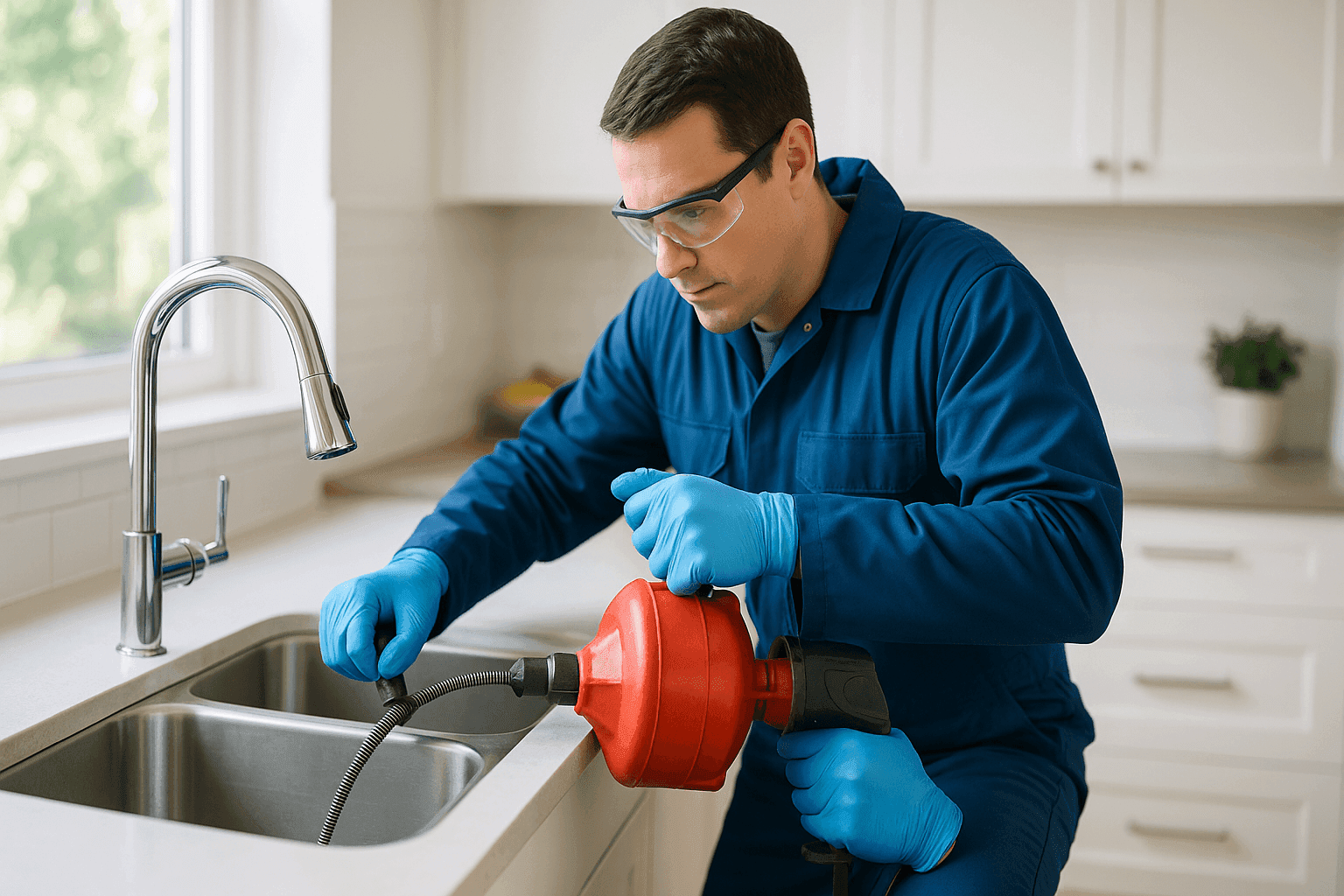
Plumbing problems don’t exactly wait for a convenient time. Drains clog. Water backs up. Suddenly, your kitchen or bathroom isn’t just inconvenient—it’s out of commission. If you’re wading through puddles or just tired of slow-draining sinks, you’re probably wondering: How much should professional drain cleaning cost?
At RWB Plumbing, we know every residential plumbing situation is different. We also understand that cost matters. Let’s break down what you’re really paying for when you call in the pros—and how you can make smart choices for your home and your budget.
Factors Affecting Drain Cleaning Cost 🪠
No two clogs are alike. That’s why costs can swing from “not too bad” to “ouch.” Here’s what shapes your final bill:
- Location of the clog: A kitchen sink clog is often easier (and cheaper) to clear than a buried main sewer line.
- Severity: Minor blockages might just need a quick snaking, but stubborn clogs or tree root intrusions require heavier equipment.
- Access: Is the clog easy to reach, or is it hidden behind walls, under floors, or outside your home?
- Type of drain: Bathroom, kitchen, floor, or main sewer—each comes with its own quirks and price points.
- Age and condition of pipes: Old, corroded, or fragile pipes can complicate the job and add time (and cost).
- Time of day: Need emergency plumbing in the middle of the night? After-hours calls usually cost more.
- Location and regional rates: Big city? Rural area? Labor and travel rates can differ. For example, urban homeowners might pay more than those in small towns due to higher overhead.
Typical Price Ranges for Drain Cleaning
So, what’s the ballpark? Here’s what most homeowners can expect:
- Simple clogs (kitchen or bathroom sink): $100–$250 in most regions.
- Tougher blockages (tub or shower drains, laundry lines): $150–$350.
- Main line cleaning: $300–$600 (sometimes more if extensive snaking or hydro-jetting is required).
- Camera inspection add-on: $100–$400, useful for finding hidden problems.
Keep in mind, prices can go up in large metro areas or drop a bit in rural or suburban neighborhoods. Emergency plumbing services after hours, weekends, or holidays can add $100 or more to your bill.
DIY vs. Professional Drain Cleaning
Wondering if you should grab a plunger or call for help? Here’s the breakdown:
DIY: The Quick Fix
- Plungers and drain snakes: Good for minor clogs near the surface.
- Chemical drain cleaners: Not recommended. These can damage pipes and create bigger headaches later on.
- Risks: If you push a clog further down, you might turn a small problem into a big one. Plus, DIY fixes rarely work on main line or deep blockages.
Why Hire a Pro?
- Tools: Pros use augers, hydro-jetting machines, and cameras.
- Skill: Plumbers know how to clear clogs without harming your pipes or fixtures.
- Prevention: A professional can spot future trouble—saving you money down the road.
- Safety: Gas lines, old pipes, and sewer backups are best left to licensed professionals.
If a plunger isn’t cutting it, or if you’re dealing with repeated blockages, it’s time to call in RWB Plumbing.
Emergency vs. Routine Pricing
Let’s face it: plumbing emergencies don’t wait for business hours. Here’s what changes when the clock strikes midnight:
- Emergency plumbing rates: Expect to pay a premium for after-hours, weekend, or holiday calls.
- Routine service calls: Scheduling during normal business hours is almost always more affordable.
- Transparent pricing: At RWB Plumbing, you get clear, upfront pricing—no nasty surprises when the job is done.
If you suspect a leak, sewer backup, or gas issue, don’t wait. Emergency response protects your home and your health.
What’s Included When You Call RWB Plumbing
Every service call should give you more than just a clear drain. Here’s what’s typically included:
- Initial assessment: We figure out what’s blocked and what’s causing it.
- Professional snaking or hydro-jetting: The right tool for the right job.
- Inspection: We check for pipe damage, corrosion, or other hidden issues.
- Cleanup: We leave your home as tidy as we found it.
- Advice: Tips to help prevent future clogs.
Some jobs require specialized tools or additional services (like camera inspections or pipe repairs), and we always explain any extra costs before starting work.
How to Get an Estimate
Getting a drain cleaning estimate shouldn’t feel like solving a riddle. Here’s how you can help us give you a fast, accurate quote:
- Describe the problem: Is it one drain or the whole house? Any gurgling, slow drains, or foul smells?
- Share your home’s age and plumbing history: Older plumbing can affect complexity.
- Mention access issues: Hard-to-reach drains can impact the cost.
- Ask about included services: Camera inspections, follow-up visits, and cleanup.
RWB Plumbing prides itself on transparent pricing. We’ll walk you through your estimate—no hidden fees or “gotcha” charges.
Quick Safety Checklist Before You Call
Not sure if it’s time to pick up the phone? Here are a few red flags:
- Water backing up in sinks, tubs, or toilets.
- Slow draining throughout the house (not just one fixture).
- Gurgling drains or bubbling toilets.
- Foul odors coming from pipes.
- Water pooling around floor drains or in the yard.
If you see any of these, especially alongside water leaks or gas smells, call for emergency plumbing help right away. Safety first!
What Pros Do On Arrival
An RWB Plumbing technician won’t just show up with a plunger and a smile. Here’s what happens next:
- Assessment: We ask questions and do a visual inspection.
- Testing: Tools like drain cameras or pressure gauges help pinpoint the clog.
- Clearing the blockage: From snaking to hydro-jetting, we use the method that matches your problem.
- Inspection: We check for pipe cracks, root intrusions, or buildup that could cause repeat issues.
- Cleanup and advice: No mess left behind—and clear info on keeping your pipes healthy.
Prevention & Maintenance Tips
A little prevention goes a long way. Here’s how to keep drains flowing:
- Use drain screens to catch hair and debris.
- Don’t pour grease, oil, or coffee grounds down the drain.
- Flush with hot water weekly to help clear minor buildup.
- Schedule periodic preventative maintenance from a licensed plumber.
- If you have trees near sewer lines, ask about root intrusion checks.
These small steps can save you from big headaches—and big bills.
Costs & Time Factors
What determines how long and how much? Here’s what to know:
- Simple jobs: 30–60 minutes, minimal disruption.
- Stubborn clogs or multiple blockages: 1–3 hours.
- Main line or sewer clogs: 1–4 hours, especially if camera inspection or hydro-jetting is needed.
Labor rates and materials are the main cost drivers. Regional rates can also factor in—metropolitan areas may pay more for emergency plumbing or Water Heater Repair near you than smaller communities.
When It’s an Emergency
Some drain problems can’t wait. If you have:
- Sewage backing up into your home
- Standing water near electrical outlets
- Suspected gas leaks (call emergency services immediately, then your plumber)
- Water leaks causing property damage
Don’t wait. Emergency plumbing services from RWB Plumbing are available 24/7, even on holidays.
FAQ: Drain Cleaning Costs
How do I know if my clog is serious?
If plunging doesn’t solve it or you have multiple slow drains, it’s likely a deeper blockage.
Will insurance cover a drain cleaning?
Generally, routine maintenance isn’t covered. But if the clog causes water damage, check your homeowner’s policy.
Can I prevent clogs with store-bought cleaners?
Most chemical cleaners can damage pipes. Prevent with screens, proper disposal, and regular maintenance instead.
What if it’s a recurring problem?
Persistent clogs could mean damaged pipes, root intrusion, or sewer line issues. A professional inspection is the safest bet.
Local and Seasonal Considerations 🌦
Where you live and the time of year can affect drain health—and costs. In colder climates, frozen pipes can cause backups in winter. Heavy rain can overwhelm older sewer lines in the spring. If your region has hard water, mineral buildup may be more common and require regular attention.
Always check local building codes and plumbing safety guidelines (like those from the International Association of Plumbing and Mechanical Officials or your municipal authority) to ensure any work meets standards.
Clogged drain or plumbing emergency? Don’t let a small issue turn into a big one.
Call RWB Plumbing now — or reach us anytime at 877-409-5028 .