Fixture Installation: Choosing the Right Faucets and Fixtures
Home plumbing isn’t just about pipes and pressure. It’s the shiny faucet you touch every morning. The steady shower you rely on before work. The kitchen sink that gets a workout every night. When fixtures fail, it’s more than a drip—it’s a disruption.
At RWB Plumbing, we know that choosing and installing new faucets, sinks, or showerheads can feel like picking the right shoes for a marathon. The wrong fit leads to blisters (or, in this case, leaks). The right choice lasts for miles—smooth, sturdy, and reliable.
Why Fixture Choice Matters
If you’ve ever stood in a big-box store aisle, staring at a wall of gleaming faucets, you know the feeling. Too many options. Too many finishes. How do you know what works for your kitchen or bathroom? And will it hold up when it matters most?
Poor-quality fixtures can cause hidden leaks, water waste, or even code violations. The right product means fewer headaches, lower bills, and peace of mind—especially during an emergency plumbing situation.
Quick Safety & DIY-Readiness Checklist 🛠️
Before you grab a wrench, make sure you’re ready:
- Shut off the water: Locate and close supply valves.
- Gather tools: Adjustable wrench, basin wrench, plumber’s tape, bucket, rags.
- Read manufacturer’s instructions: Each model is different.
- Check compatibility: Ensure fixture matches your sink/countertop holes.
- Inspect for hidden damage: Look for corrosion or soft spots under sinks.
- Have plumber’s putty or silicone on hand: For a watertight seal.
- Test your shutoff valves: Make sure they fully stop the flow.
- Wear gloves: Protect hands from sharp edges, especially under sinks.
- Know your limits: If anything feels off, pause and call a professional.
Choosing Kitchen Fixtures
The kitchen faucet is the workhorse of the home—turning on before breakfast and shutting off after dinner. When picking a kitchen fixture, consider:
- Material: Solid brass lasts longest but costs more. Stainless steel resists fingerprints. Plastic is lightweight but less durable.
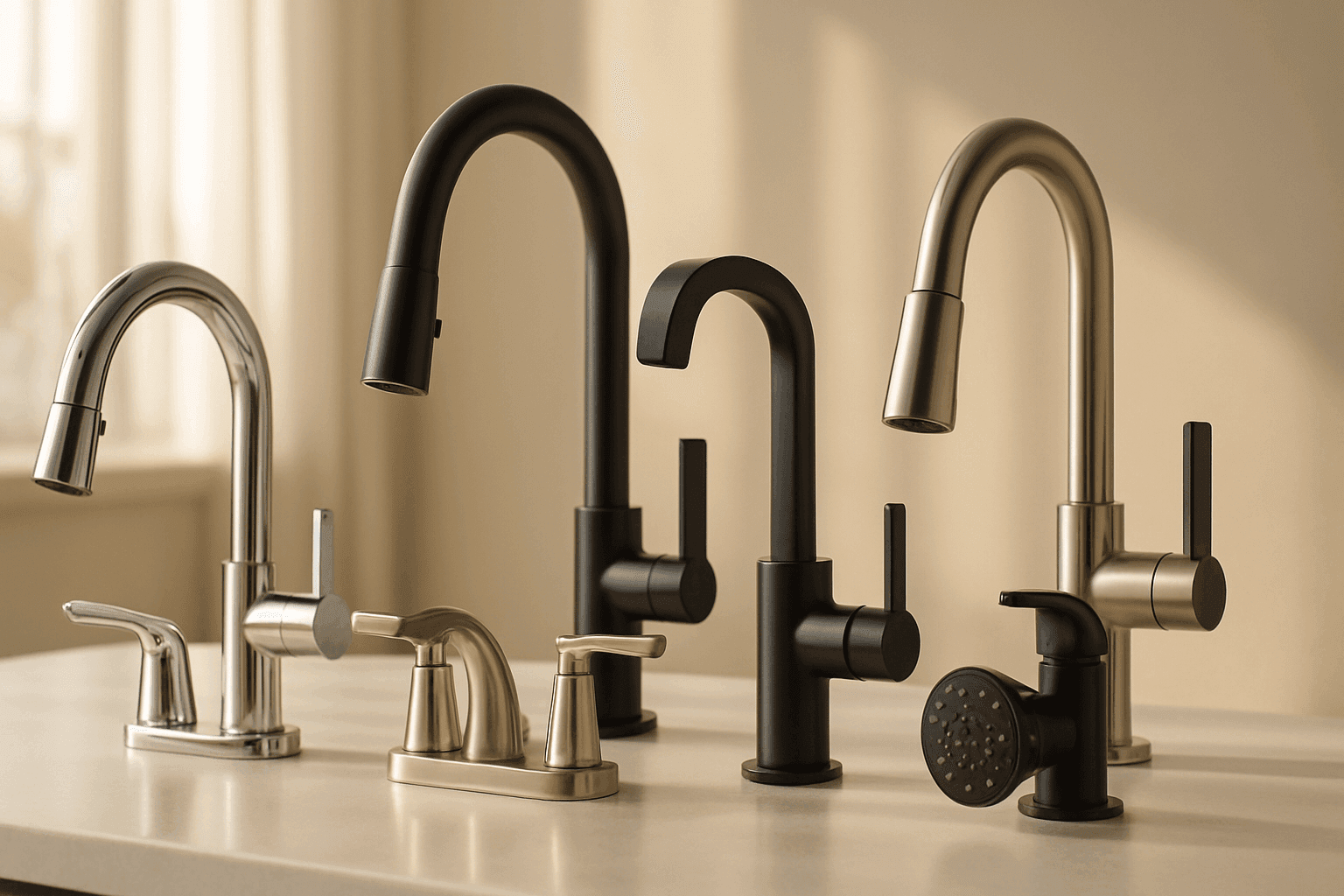
- Finish: Go for corrosion-resistant coatings like chrome, brushed nickel, or matte black. Match other hardware for a consistent look.
- Spout height and reach: Tall, arched spouts fit pots and pans. Pull-down sprayers add flexibility.
- Water efficiency: Look for WaterSense-labeled models, which save water without sacrificing pressure (per EPA standards).
- Installation type: Single-hole, three-hole, or wall-mounted—know your sink’s configuration.
Pro tip: Always check that your chosen faucet has a built-in backflow preventer to keep your water supply safe.
Bathroom Fixtures: Style Meets Substance 🚿
Bathrooms are where function meets relaxation. But even the most stylish faucet can become a nuisance if it leaks or splashes. Here’s what to watch for:
- Sink Faucets: Single-handle models are easy to use, while widespread ones offer more style options.
- Showerheads: Rain, handheld, or multi-function? Check for flow restrictors to save water.
- Finishes: Chrome is classic and easy to clean. Brushed finishes hide water spots. Oil-rubbed bronze adds warmth.
- Low-flow toilets and showerheads: These can cut water use by up to 60% (EPA WaterSense).
- ADA-compliant options: For accessibility, look for lever handles and easy-turn valves.
Specialty Fixtures: Beyond the Basics
Some fixtures solve problems you didn’t know you had. Consider:
- Pot fillers: Mounted above stoves for filling large pots.
- Filtered water taps: Install at the sink for drinking water.
- Hands-free faucets: Great for busy kitchens or kids’ bathrooms.
- Touchless toilets: Reduce germs and mess.
When fitting specialty fixtures, make sure your plumbing can accommodate the extra features. Some may require electrical connections or new lines.
Step-by-Step: How Pros Install New Fixtures
Ever wondered how the pros keep it leak-free? Here’s the process RWB Plumbing follows:
- Turn off water at the main or local shutoff.
- Disconnect old fixture: Loosen nuts, remove mounting hardware, and clean the area.
- Inspect supply lines and valves: Replace any that are worn or corroded.
- Apply plumber’s tape or putty: For a tight seal.
- Position the new fixture: Align with holes or mounting bracket.
- Secure with nuts and washers: Tighten evenly, avoiding overtightening.
- Reconnect supply lines: Check for fit and leaks.
- Test for leaks: Run water, check under sink, and around seals.
- Clean up: Wipe down surfaces, remove debris.
It sounds simple, but every home is a little different. That’s why experience counts.
Common DIY Pitfalls (and How to Avoid Them) ⚠️
- Overtightening connections: Can crack fixtures or strip threads.
- Skipping the sealant: Leads to slow leaks.
- Mismatched fittings: Not all threads are equal—mixing metals or sizes can cause leaks.
- Ignoring supply line condition: Old lines can burst under new pressure.
- Forgetting backflow protection: Can risk contaminating your water.
If you run into stubborn parts or suspect a hidden leak, pause. A rushed job can cost more in the long run.
DIY or Call RWB Plumbing?
Installing a basic faucet can be DIY-friendly, if you’re handy and have the right tools. But:
- If you see signs of corrosion, old pipes, or have tricky connections, consider calling an emergency plumbing pro.
- Gas line or boiler-connected fixtures? These are always a job for licensed technicians.
- Large remodels or code requirements (like backflow prevention)? Professional installation ensures everything is up to code.
Remember, what starts as a “quick fix” can become a major leak—fast.
What RWB Plumbing Pros Do on Arrival
When you call RWB Plumbing for fixture installation, here’s what to expect:
- Inspection: We check supply lines, shutoff valves, and mounting areas.
- Proper Sourcing: Thanks to our partnerships with trusted suppliers, we install only fixtures that meet code, warranty, and performance standards.
- Professional tools: We use the right gear for each fixture, from basin wrenches to sealant.
- Testing: Every connection is checked for leaks, pressure, and smooth operation before we leave.
- Clean-up: No mess, no hassle.
Our team follows industry best practices and local code—so you get a worry-free install.
Prevention & Maintenance: Make It Last
Want your fixtures to work like new for years? A little care goes a long way:
- Wipe down finishes often: Prevents buildup and water spots.
- Check for drips: Even a slow leak wastes gallons.
- Clean aerators and showerheads: Unscrew and soak in vinegar to remove mineral deposits.
- Test shutoff valves seasonally: Make sure they move freely.
- Watch for loose handles: Tighten as needed.
Annual maintenance helps catch small issues before they become emergencies.
Costs & Time Factors
- Material: Brass and stainless steel cost more, but last longer.
- Complexity: Swapping a faucet can take 30 minutes. Full fixture upgrades—up to a few hours.
- Labor: Professional installation varies based on access, plumbing condition, and fixture type.
- Hidden issues: Corroded pipes or valves can add time and cost.
Always budget for a bit more time than you expect—especially in older homes.
When It’s an Emergency 🚨
A dripping faucet is annoying. A burst pipe is an emergency. If you notice:
- Water pooling under sinks or cabinets
- Fixture won’t shut off (constant flow)
- Sudden loss of water pressure
- Wet spots on walls or floors
Turn off the main water valve and call RWB Plumbing. Fast response limits damage and restores service.
FAQ: Fixture Installation
Q: How do I know if my fixture is compatible with my sink?
A: Count the holes in your sink or countertop and match the fixture type. Most packaging lists compatibility.
Q: Are there water-saving options for every fixture?
A: Yes! Look for WaterSense labels or ask your plumber for recommendations. They’re available for faucets, toilets, and showerheads.
Q: Can I install a new fixture on old pipes?
A: Sometimes, but it’s best to inspect for corrosion or leaks. Old pipes may need replacement for a secure fit.
Q: What’s the best way to prevent leaks after installation?
A: Use plumber’s tape on threaded connections, apply sealant where needed, and always test thoroughly before finishing.
Local and Seasonal Considerations
In colder months, pipes and fixtures are more vulnerable to freezing or expansion. If your area sees harsh winters, consider frost-proof fixtures for outdoor use and insulate indoor pipes around new installations.
Humidity can also affect bathroom fixtures—choose rust-resistant finishes for long life.
Check your local plumbing code, or have RWB Plumbing handle permits and compliance for you. We stay up to date with building codes and manufacturer standards.
Upgrading your kitchen or bathroom fixtures should feel rewarding—not risky. With the right information, the right products, and the right team, you get a home that looks great and works even better. For a leak-free, code-compliant installation, don’t hesitate.
Call RWB Plumbing now — or reach us anytime at 877-409-5028 .