Garbage Disposal Repair: Troubleshooting and Maintenance
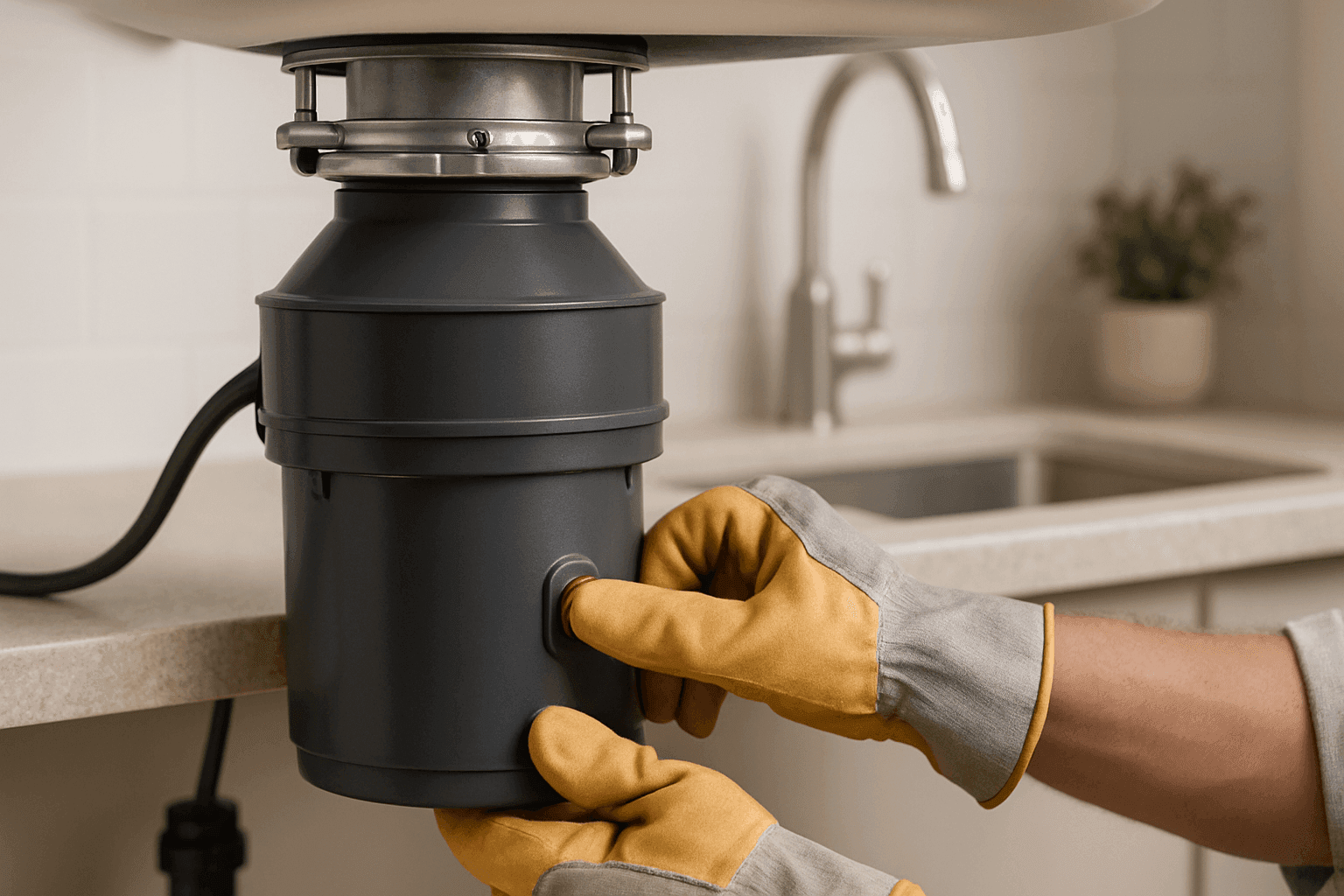
A broken garbage disposal can turn your kitchen upside down. Suddenly, meal cleanup stops cold and your sink fills with water you’d rather not touch. It’s frustrating. Maybe even a little overwhelming. At RWB Plumbing, we get it. And we’ve helped hundreds of local homeowners just like you regain control—day or night—with fast, careful emergency plumbing service.
Whether your unit hums, leaks, or sits silent, this guide will walk you safely through quick fixes, smart maintenance, and what to expect if you need professional help. Let’s get your kitchen flowing again.
Common Garbage Disposal Problems
No two breakdowns are exactly alike. But most issues fall into four buckets:
- The disposal won’t turn on (silence when you flip the switch)
- It hums, but doesn’t grind (motor runs, blades don’t)
- It’s jammed or clogged (food won’t drain, water backs up)
- There’s a leak (water under the sink or dripping from the unit)
Each problem has its own set of solutions. Some are quick and safe to handle yourself. Others call for help from an emergency plumbing team like RWB Plumbing.
Safety First! Your Quick Checklist ⚡
Before you go anywhere near your disposal, stop. Take these steps every single time—no exceptions:
- Turn off the power. Unplug the unit under the sink. If you can’t, cut power at the breaker box.
- Never put your hand inside. Even when “off,” blades can cause injury.
- Use tools, not fingers. Grab pliers or an Allen wrench for jams.
- Keep kids and pets away. This isn’t a spectator sport.
- Wear gloves and eye protection. Bits can fly out unexpectedly.
The National Electrical Code (NEC) and local plumbing codes require that all kitchen appliances are grounded and protected from accidental contact. Safety isn’t optional—it’s essential.
Unjamming Your Garbage Disposal with an Allen Wrench
A jammed disposal is like a stuck zipper. Forcing it will only make things worse. Here’s how to free it safely:
- Power off. Triple check. No electricity means no surprises.
- Find the hex hole. Look under the disposal unit for a small hole in the center.
- Insert an Allen wrench (usually 1/4"). Turn it back and forth to loosen the jam. You may feel resistance—keep gently working until it spins freely.
- Check inside. Use tongs or pliers to remove any visible obstruction.
- Restore power. Plug it back in or flip the breaker.
- Test. Run water and flip the switch. If it hums or grinds, you’ve won.
Tip: If you don’t have an Allen wrench, many home centers sell garbage disposal wrench kits. Keep one in your kitchen drawer.
Using the Reset Button
Sometimes the internal breaker trips. Here’s how to reset:
- Turn the disposal OFF.
- Locate the red reset button. You’ll find it underneath the unit.
- Press firmly. You should hear a click.
- Wait 10 minutes. This lets the motor cool off.
- Restore power and test.
If it trips again right away, the motor may be overheating or damaged. Time to call in an emergency plumbing crew.
Clearing Blockages: What to Do (and NOT Do)
Food scraps, grease, and foreign objects can clog up your disposal like leaves in a gutter. Here’s how to clear a mild blockage:
- Scoop out standing water with a cup.
- Shine a flashlight down the drain.
- Use tongs or pliers (not your hand!) to pull out debris.
- Flush with cold water for 60 seconds.
Never use chemical drain cleaners. They can damage your pipes and disposal, and fumes can linger in your kitchen. For stubborn blockages, professional drain cleaning is safer.
What Should Never Go Down the Disposal? 🚫
- Grease or cooking oil (turns to glue in pipes)
- Fibrous veggies (celery, corn husks, onion skins)
- Bone fragments
- Coffee grounds (they clump)
- Eggshells (the membrane sticks)
- Pasta or rice (they swell and clog)
- Non-food items (glass, metal, plastic)
Treat your disposal like a helpful assistant, not a trash can. When in doubt—throw it out.
Simple Maintenance Checklist
Keep your disposal running smoother, longer:
- Run cold water before, during, and after use.
- Feed food gradually, not all at once.
- Grind citrus peels monthly for fresh scent and cleaning.
- Check for leaks under the sink every few weeks.
- Listen for strange noises—squeals and rattles mean trouble.
- Tighten mounting bolts if the unit wobbles.
- Schedule preventative maintenance with a licensed plumber yearly.
A little care now keeps emergency plumbing calls at bay.
DIY Fixes vs. Calling a Pro
You can tackle minor jams, resets, and clogs. But call RWB Plumbing if:
- The unit won’t turn on after resetting.
- You hear grinding, squealing, or smoke.
- Water leaks from the body, not just the drain.
- The breaker keeps tripping.
- Odors persist after cleaning.
- You’re uncomfortable with electrical or plumbing work.
Kitchen plumbing is like a car engine—simple tune-ups are DIY, but deeper issues need a skilled mechanic.
What Pros Do When They Arrive
When RWB Plumbing arrives, here’s what you can expect:
- Rapid assessment. We check power, clogs, leaks, and overall function.
- Safe disassembly. If needed, we remove the unit to clear jams or replace parts.
- Leak checks. We test every connection—drain, dishwasher hose, water lines.
- Electrical and gas safety checks. If your disposal connects to a dishwasher or other appliances, we make sure all codes are met.
- Testing and clean-up. We run water, test the switch, and leave your kitchen tidy.
Worried about repeat breakdowns? Our repair warranty covers parts and labor for a period after service. Details are provided at the time of repair—no fine print, just straightforward protection.
Prevention & Maintenance: Pro Tips
- Install a sink strainer. It catches large debris before it reaches your disposal.
- Run cold water, not hot. Hot water melts grease, which then solidifies further down the line.
- Cut up large scraps. Smaller pieces grind more easily and reduce strain.
- Keep the blades sharp. Ice cubes (occasionally) can help clean and maintain blade edges.
- Schedule annual plumbing checkups. Professionals can spot issues before they become emergencies.
The Plumbing-Heating-Cooling Contractors Association recommends routine maintenance to extend appliance life and prevent accidental flooding or damage.
Costs & Time Factors
Repair costs vary by issue:
- Minor jams or resets: Usually quick—15–30 minutes.
- Leak repairs: May require new seals or fittings; allow 30–60 minutes.
- Motor or electrical issues: Can take 1–2 hours, especially if parts are needed.
- Full replacement: 60–90 minutes, depending on access and wiring.
Replacement parts and labor costs depend on your specific model and the condition of your kitchen plumbing. We’ll always explain options before starting any work.
When It’s an Emergency 🚨
Some disposal problems can wait. Others can’t:
- Major leaks: Water pooling under the sink can damage cabinets and floors.
- Electrical shorts: Sparks or burning smells are a fire hazard.
- Backed-up sinks: If both sides of the sink are clogged, it may affect your dishwasher or other drains.
If the mess spreads, water won’t stop, or you smell burning—shut off power and call RWB Plumbing for emergency plumbing service right away.
FAQ: Garbage Disposal Repair
Q: Is it safe to use my disposal if it’s leaking a little?
A: Even a small leak can worsen quickly and cause water damage. Shut off power and investigate. If unsure, call a professional.
Q: Why does my disposal make a humming noise but not spin?
A: This usually means something is jammed or the motor is stalled. Try the Allen wrench method above. If it persists, call for help.
Q: Can I use hot water to clear clogs?
A: Use only cold water. Hot water can melt grease, which will then harden in your pipes and cause deeper clogs.
Q: Should I run my dishwasher if the disposal is broken?
A: No. Many dishwashers drain through the disposal. Running it could cause flooding or further damage.
Local & Seasonal Considerations
Colder months can cause pipes to contract, increasing the risk of leaks around seals or joints. In older homes, original wiring may not support newer disposal models—if your unit trips often, a licensed electrician or plumber should inspect your setup. After big family gatherings or holidays, we see more disposal breakdowns from overuse or improper food waste.
If you notice issues after a big meal, don’t wait. Early action can prevent a kitchen disaster.
RWB Plumbing is here for you 24/7. For safe, reliable garbage disposal repairs—or any kitchen plumbing emergency—reach out today.
Call RWB Plumbing now — or reach us anytime at 877-409-5028 .