Gas Line Installation: What Homeowners Need to Know
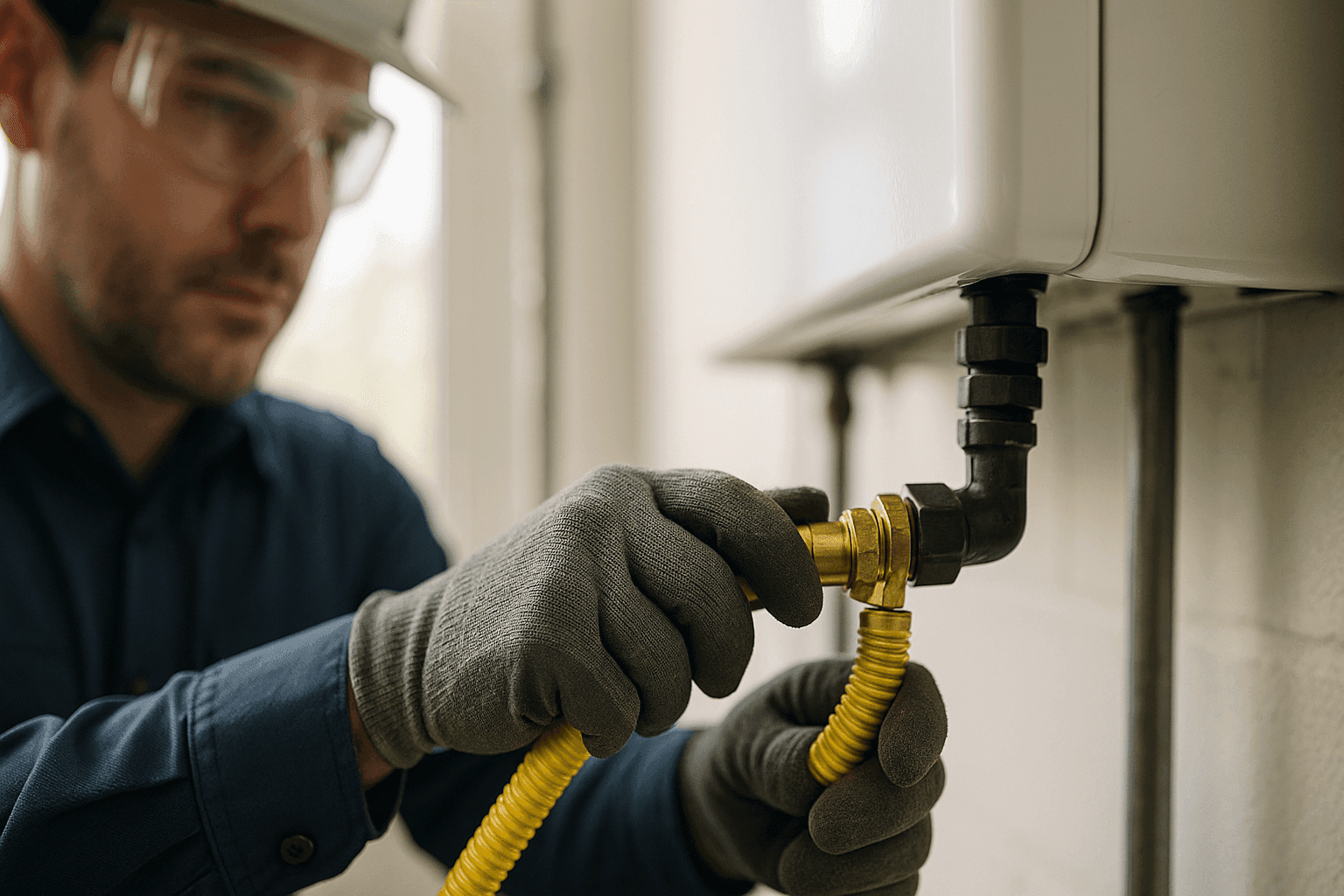
Gas lines power more than just stoves. They fuel water heaters, cozy fireplaces, outdoor grills—even that backyard pizza oven you’ve been dreaming about. But when it’s time to install or upgrade a gas line, questions (and worries) bubble up fast.
One wrong move can mean leaks, fines, or real danger. At RWB Plumbing, we get it—your family’s safety and your home’s comfort are on the line. Here’s what every homeowner needs to know before starting a gas line project.
Why Might You Need a New Gas Line? 🔥
Gas lines aren’t just for kitchens. Life changes, and your home has to keep up:
- New Appliances: Upgrading to a high-efficiency gas dryer or tankless water heater? They may need a dedicated line or larger pipe.
- Outdoor Living: Adding a gas grill, fire pit, or outdoor kitchen? That’s a job for a fresh, code-compliant gas line.
- Extra Heat: Dreaming of a gas fireplace or garage heater? You’ll need a safe connection.
- Home Upgrades: Renovations can reveal old, unsafe pipes or spark the need for rerouting.
Think of your home’s gas lines as arteries—if you add new “organs” (appliances), the system needs to handle the load safely.
Project Planning: What to Know Before You Start
Don’t rush. A gas line project is like building a bridge—every step has to be solid, or the whole thing is at risk.
- Assess Your Needs: What are you powering? How far from the meter? How much gas will it need?
- Choose Quality Materials: Not all pipes are equal. Black iron, CSST (corrugated stainless steel tubing), or copper may be required, depending on local codes.
- Know Your Limits: Some things are best left to the pros—especially anything involving gas.
- Budget for Permits & Inspections: Most towns require them. Skipping permits can mean heavy fines or denied insurance claims.
Quick Safety Checklist for Gas Line Installation ✅
Before work begins, here are the non-negotiables:
- Only allow certified, insured professionals to install or modify gas lines.
- Confirm the contractor pulls all required local permits.
- Double-check that the work will be inspected by city or county officials.
- Make sure gas is shut off at the main valve before any work starts.
- Demand the use of leak-detection equipment and soapy water tests.
- Keep flammable materials clear of the work area.
- Never skip a pressure test before reconnecting service.
Want more? The National Fuel Gas Code (NFPA 54) and your local building department are the gold standards for safety.
DIY vs. Call a Pro: Why It Matters
It’s tempting. YouTube makes it look simple—just twist on a pipe, right? But gas is invisible, flammable, and unforgiving.
DIY Risks:
- Hidden leaks that can spark fires or explosions.
- Voided home insurance or denied claims.
- Expensive code violations.
- Dangerous carbon monoxide buildup.
Calling a Pro:
- Licensed pros spot hazards you’ll never see.
- Work is done to code, protecting your home and wallet.
- Faster, cleaner, and safer—especially when emergency plumbing is needed.
Remember: Fixing a bad install costs more than doing it right the first time.
What Pros Do On Arrival: The Step-by-Step Overview 🛠️
Here’s how a professional gas line installation unfolds with RWB Plumbing:
- Initial Assessment: We listen to your plans, inspect your current system, and check for hidden issues.
- Load Calculations: Pros measure how much gas each appliance needs, then size the pipes accordingly.
- Permit Pulling: We handle all permits (so you don’t have to sweat the paperwork).
- Shutoff and Prep: Gas is safely turned off. The area is cleared and prepped.
- Pipe Routing: New pipes are cut, fitted, and routed. We use only approved materials.
- Leak Testing: Every joint is tested—first with air, then with soapy water, and finally with a combustible gas detector.
- Inspection: The city or county inspects the work for code compliance.
- System Start-Up: Gas is restored, and all appliances are tested for safe operation.
From start to finish, it’s a process built on precision, patience, and safety.
Code Requirements & Permitting: The Rules Aren’t Optional
Cutting corners is never worth it. Most cities and counties follow versions of the International Fuel Gas Code (IFGC) and the National Fuel Gas Code (NFPA 54). These codes spell out:
- Pipe sizing and approved materials.
- Required shutoff valves.
- Minimum clearances from combustibles.
- Proper venting techniques.
- Mandatory pressure and leak testing.
Permits and inspections aren’t red tape—they’re your safety net. If someone offers to skip them, run the other way.
Safety Tips Every Homeowner Should Know 🛑
Gas is powerful—and so are the risks. Here’s how to stay safe:
- Smell rotten eggs? Leave the house and call your utility provider.
- Never try to patch, plug, or tape a leaking gas line.
- Don’t store paint, solvents, or flammable materials near gas lines or appliances.
- Schedule regular gas safety checks with a licensed plumber.
- Learn where your main gas shutoff valve is—and how to use it.
Red Flags of Improper Gas Line Installation
A bad gas job leaves clues. Watch for these warning signs:
- Hissing sounds near pipes or appliances.
- Dead plants or grass near buried gas lines.
- Unexplained odors (even faint ones).
- Appliances with yellow or flickering flames.
- Corroded, kinked, or unsupported gas pipes.
- Missing shutoff valves or flexible connectors.
- No permit stickers or inspection tags.
If you spot one (or more), call emergency plumbing help immediately.
Prevention & Maintenance: Keeping Your Gas Lines Safe
Gas lines are “install and forget,” right? Not quite. Like anything else in your house, they need attention:
- Annual Inspections: Schedule yearly checks, especially for older homes.
- Appliance Upgrades: Always have a pro check the system when adding or replacing gas appliances.
- After Severe Weather: Flooding or earthquakes? Have lines checked for damage.
- Keep Vents Clear: Blocked vents can cause dangerous carbon monoxide buildup.
Ask for water heater repair near you, and bundle a gas safety check if you’re unsure about your system’s health.
Costs & Time Factors: What to Expect (No Surprises)
Every gas line project is different. Some are simple, some are a maze of pipes and permits. Here’s what shapes the price and timeline:
- Length of Pipe: Farther runs cost more.
- Number of Appliances: More connections, more labor.
- Access: Crawl spaces and finished basements take extra time.
- Material Choice: Black iron, CSST, copper—each has a different price tag.
- Permitting & Inspection Fees: Required by law.
- Emergency Calls: Need it now? After-hours or weekend work can cost more.
Most residential installs take 1–2 days, but complex jobs may stretch longer—especially if walls or landscaping are involved.
When It’s an Emergency
Gas leaks are like ticking clocks. If you suspect a leak:
- Leave the house immediately.
- Don’t use switches, phones, or anything that could spark.
- Call your gas company and emergency plumbing service from outside.
- Don’t re-enter until the all-clear is given.
Remember, RWB Plumbing is always ready—day or night—for urgent gas line issues.
FAQ: Gas Line Installation & Safety
How do I know if I need a new gas line?
If you’re adding a new gas appliance, upgrading an old one, or moving an appliance to a new spot, you’ll likely need a new or modified line.
Is it safe to run gas lines myself?
No. Even minor mistakes can cause leaks, fires, or legal trouble. Always hire a licensed, insured plumber.
What codes do you follow for gas line work?
We install to the National Fuel Gas Code (NFPA 54) and local amendments—never shortcuts.
Can gas lines be run outdoors or underground?
Yes, but special materials and techniques are required. Outdoor lines must be buried at proper depth and protected from damage.
Local & Seasonal Considerations
In colder months, ground freezes can slow outdoor installations. Summer is prime time for outdoor kitchens and fire pit projects—so plan ahead. In older neighborhoods, we may find aging pipes that need replacement. After major storms or earthquakes, always have your system checked for hidden damage.
Why Choose RWB Plumbing for Gas Work?
RWB Plumbing is fully licensed, insured, and trained to handle gas line installation, leak detection, and emergency plumbing. Our technicians receive ongoing safety education and meet all state and local requirements. We treat your home like our own—no shortcuts, no surprises, just solid, safe work you can trust.
Call RWB Plumbing now — or reach us anytime at 877-409-5028 .