Gas Safety Checks: Protecting Your Family and Home
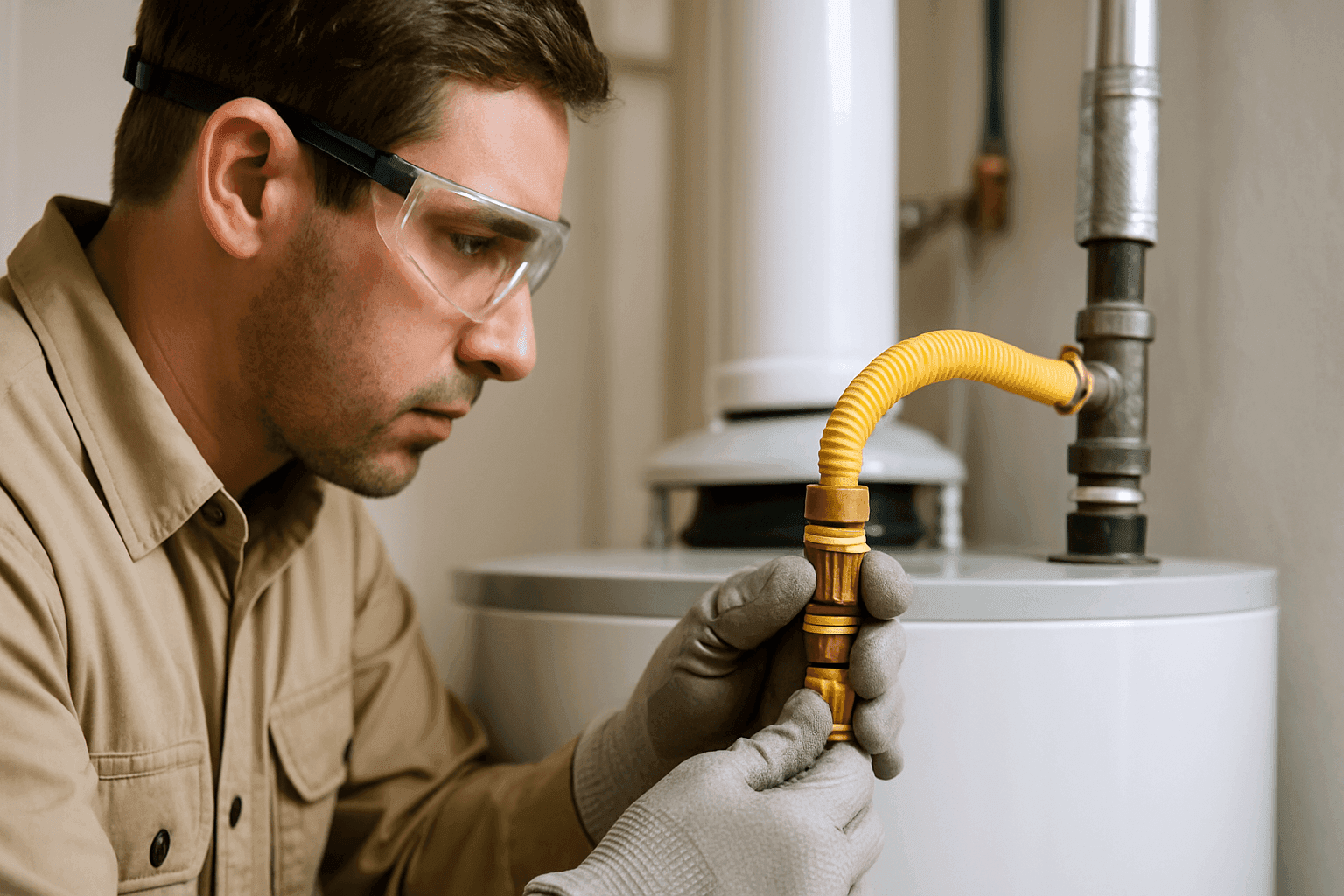
When you flip on your stove, take a hot shower, or heat your house on a chilly night, you trust the gas flowing into your home is safe. But what if something goes wrong? Gas leaks are silent threats—quick, sneaky, and unforgiving. One slip, and your family’s comfort can tip into danger in an instant.
At RWB Plumbing, we know every second counts. We’ve seen how fast a tiny leak can become a life-changing emergency. That’s why we take gas safety as seriously as you do. Our team is always ready for emergency plumbing calls and routine checks alike.
Why Gas Safety Matters
Gas powers so much in your home—from your water heater to your cozy fireplace. But it’s not just another utility. When gas escapes, it turns from a helpful friend to a hidden hazard.
Imagine a balloon slowly losing air. You don’t always see it, but the change is there. With gas, leaks can creep in quietly. Natural gas and propane are both highly flammable. Even a small leak can lead to fire, explosion, or dangerous carbon monoxide buildup. According to the U.S. Consumer Product Safety Commission, thousands of gas-related incidents are reported every year—many preventable with simple checks.
Keeping your home safe isn’t just about comfort. It’s about protecting what matters most.
Common Sources of Gas Leaks
Gas doesn’t always escape where you expect. Here’s where leaks most often begin:
- Gas appliances: Stoves, ovens, water heaters, boilers, and dryers rely on flawless connections.
- Old or worn lines: Pipes hidden behind walls or under floors can corrode or crack over time.
- Flexible connectors: These hoses can kink, weaken, or slip loose, especially after moving an appliance.
- Poor installation or DIY fixes: A shortcut today can mean a leak tomorrow.
- Outdoor gas lines: For grills, fire pits, or pool heaters—exposed to weather and critters.
It’s a game of hide and seek, and the stakes are high.
Warning Signs of a Gas Leak
Gas leaks rarely shout. They whisper. Here’s how to listen:
- Rotten egg smell: Gas companies add this odor—don’t ignore it.
- Hissing or whistling: Like a tea kettle, but from pipes or appliances.
- Dead plants: A patch of grass or flowers mysteriously dying near a buried gas line.
- Bubbling water: In puddles or soil above underground lines.
- Physical symptoms: Headaches, dizziness, nausea, or breathing trouble inside your home.
If you spot any of these signs, it’s time to act—fast.
Quick Gas Safety Checklist 🛑
Before you panic, take these steps to safeguard your home. Print this out or save it on your fridge for quick reference:
- Smell rotten eggs? Leave your home immediately.
- Hear hissing near an appliance or gas line? Don’t try to find the source—evacuate.
- Suspect a leak? Don’t touch electrical switches, phones, or appliances.
- Turn off gas supply at the main valve—only if it’s safe and you know how.
- Call emergency services and your gas utility from a safe location.
- Keep windows and doors open if possible as you exit.
- Never use candles, matches, or anything that could spark.
Safety first. Curiosity can wait.
DIY Gas Checks vs. Calling a Pro
Some things are okay to check yourself. Others? Leave them to the folks with the tool belts and training.
What You Can Do
- Visual inspection: Look behind appliances for loose hoses or visible wear.
- Listen: Check for hissing or popping when appliances run.
- Smell: Trust your nose—if you catch a whiff, act immediately.
But don’t try to fix, tighten, or patch leaks with tape or sealant. Gas is invisible but powerful—like wind. You can’t see it, but you’ll feel the effects if something goes wrong.
When to Call RWB Plumbing
If you suspect a leak, see damage, or haven’t had a gas safety check in the past year, call for help. RWB’s trained, certified technicians handle:
- Emergency plumbing situations
- Annual inspections
- New appliance connections
- Gas line repairs or replacement
- Water heater repair near you
Don’t risk your safety for a DIY experiment.
What the Pros Do On Arrival 👷
Wonder what happens when you call in RWB Plumbing? Here’s our step-by-step process:
- Immediate site assessment: We check for urgent hazards and ensure your home is safe to enter.
- Advanced leak detection: Using electronic sniffers, pressure gauges, and sometimes soap solution, we pinpoint the source—no guesswork.
- Shut off gas: If needed, we isolate the problem area or your whole home.
- Thorough inspection: We examine all accessible lines, connectors, and appliances.
- Repairs: Only after explaining what’s wrong and how we’ll fix it.
- Testing: We restore gas and check for leaks again.
- Documentation: You get a clear report of findings, work done, and tips for the future.
Our technicians follow local code and safety guidelines every step of the way, including those from the National Fuel Gas Code (NFPA 54).
Prevention & Maintenance
An ounce of prevention is worth a pound of cure—especially with gas. Here’s how to keep your system safe year-round:
- Annual safety checks: Schedule a licensed inspection every year.
- Install carbon monoxide detectors: Place them near sleeping areas and gas appliances.
- Keep vents clear: Appliances need room to breathe, just like you.
- Replace old connectors: If your gas lines are older than a decade, modern flexible connectors improve safety.
- Watch for appliance recalls: Check the U.S. Consumer Product Safety Commission’s recall list regularly.
- Educate your household: Make sure everyone knows the signs of a leak and what to do.
Costs & Time Factors
Gas safety checks and repairs vary. They’re like fixing a leaky faucet—sometimes a quick tighten, sometimes a new pipe.
- Basic inspection: Usually takes 30–60 minutes.
- Minor repairs: Can be completed in under two hours if the parts are on hand.
- Major repairs or line replacement: May take a half-day or longer, depending on location and access.
Costs depend on the job’s complexity, parts, and whether it’s an emergency plumbing call. While no one likes surprises, safety is always worth the investment.
When It’s an Emergency 🚨
Some situations can’t wait. Call 911 and your gas utility immediately if:
- You smell strong gas inside or outside your home.
- Anyone in your household experiences sudden headaches, nausea, or confusion.
- You hear a loud hissing or roaring near a gas line.
- You see fire, sparks, or unexplained dying vegetation above buried lines.
Then contact RWB Plumbing for fast, professional response. We’re here 24/7 to protect your home.
FAQ: Your Gas Safety Questions Answered
How often should I get a gas safety check?
At least once a year, or after any new appliance installation, renovation, or suspected leak.
Is it safe to use a gas appliance if I smell something odd?
No. Even a faint rotten egg smell means you should stop using the appliance and evacuate.
Can I use soapy water to check for leaks?
You can, but it’s not foolproof. Professionals use sensitive instruments to find even tiny leaks that soapy water can miss.
What certifications should a gas plumber have?
Look for technicians certified by state and local authorities, trained in the National Fuel Gas Code (NFPA 54), and up-to-date on safety protocols.
Local and Seasonal Considerations
If you live in an area with harsh winters, freezing and thawing can stress underground gas lines. Storms, flooding, or shifting soil can also damage connectors and pipes. Schedule your annual gas safety check before the cold sets in—or anytime after landscaping, construction, or moving major appliances.
Local codes may require specific inspections, venting, or safety devices, especially for newer homes or remodels. The RWB Plumbing team stays trained on the latest requirements, so you don’t have to worry about missing a step.
Why RWB Plumbing?
We don’t just fix pipes. We protect families. Our technicians are background-checked, fully licensed, and trained to follow the toughest industry safety protocols. We use up-to-date tools and stay current with the National Fuel Gas Code, state, and local regulations. When you call RWB Plumbing, you get more than a quick fix—you get peace of mind.
If you have any questions about gas safety, need a fast emergency plumbing response, or want to schedule your annual safety check, don’t wait.
Call RWB Plumbing now — or reach us anytime at 877-409-5028 .