Kitchen Plumbing Problems: Quick Fixes and Prevention
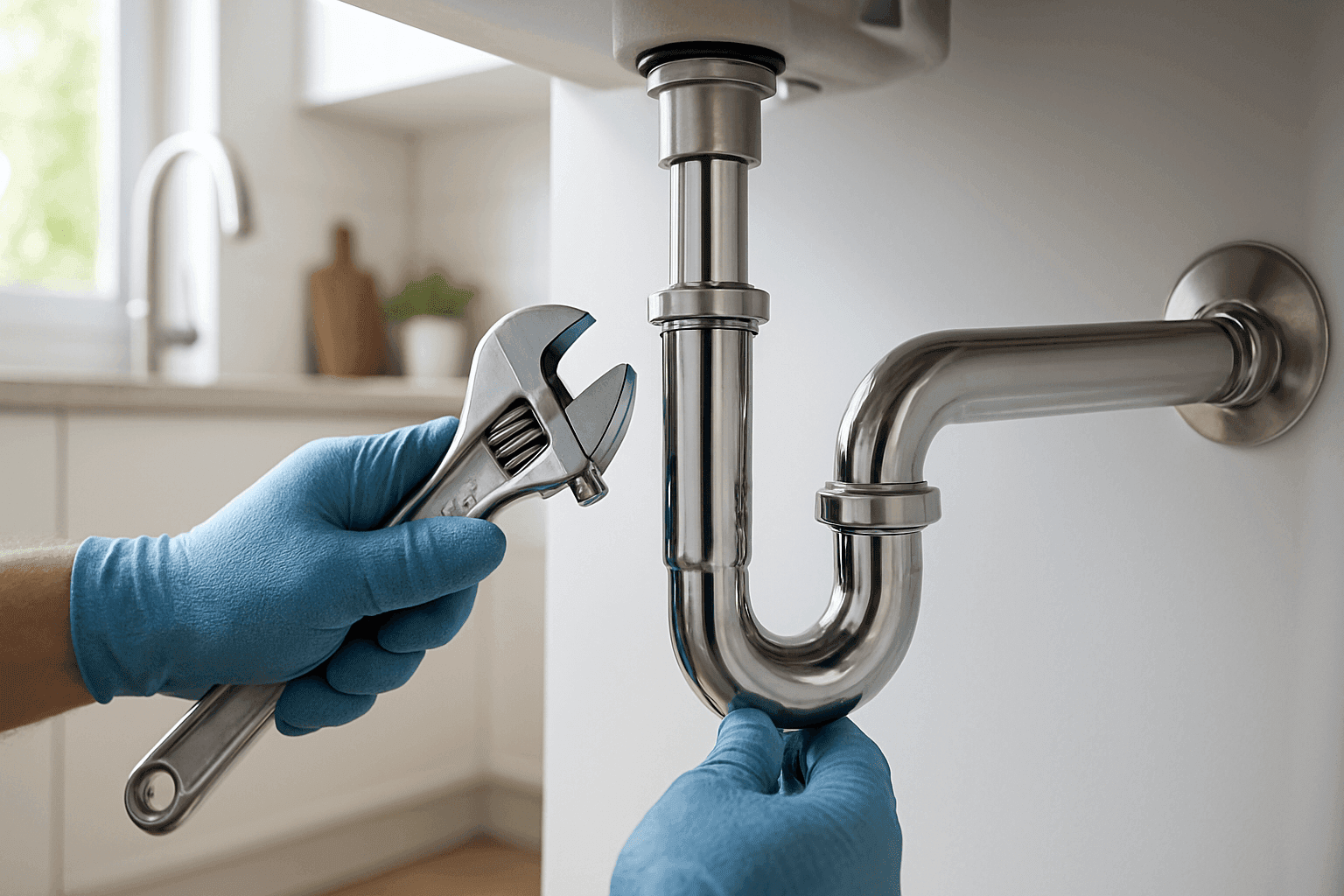
Kitchen Plumbing Headaches? You’re Not Alone
Water splashing where it shouldn’t. Sinks that won’t drain. That relentless drip-drip-drip keeping you up at night. Kitchen plumbing problems don’t wait for a good time. They strike when you’re rushing out the door or prepping for a big dinner.
At RWB Plumbing, we know what it’s like when a small leak turns into a kitchen flood—or when a garbage disposal grinds to a halt right when you need it. Our team answers calls day and night for emergencies and everyday fixes. We want to share what we’ve learned with you: How to make quick fixes, when to call for help, and—most importantly—ways to keep your kitchen running smoothly.
The Usual Suspects: Common Kitchen Plumbing Problems
Every kitchen has its weak spots. Some issues pop up again and again:
- Clogged Sinks: That slow swirl of water before it finally drains? Classic clog. Usually from food scraps, grease, or something that shouldn’t have gone down the drain.
- Leaky Faucets: A steady drip wastes gallons over time and hikes up your water bill.
- Garbage Disposal Jams: Forks, bones, or too many peels at once can bring your disposal to a halt.
- Water Supply Issues: Low pressure at the tap, odd noises, or water that’s just not coming out.
These problems are more than annoyances. Small leaks can turn into water damage. Clogs become emergencies if water backs up. Fast action—and knowing what to do next—makes all the difference.
Quick Safety Checklist Before You Start 🛑
Before you grab a wrench or stick your hand under the sink, take a breath. Safety comes first. Here’s what to check:
- Turn off the water supply. There’s usually a shutoff valve under the sink. Turn it clockwise.
- Unplug appliances. If you’ll be working near the garbage disposal or dishwasher, unplug them.
- Wear gloves. Sharp edges and dirty water aren’t friends to bare hands.
- Clear out chemicals. Remove any cleaning supplies stored under the sink to keep your workspace safe.
- Check for electrical outlets. Water and electricity never mix.
If you smell gas or see sparks, leave the area and call emergency services right away. (See National Fire Protection Association guidelines for gas safety.)
DIY Fixes for the Most Common Kitchen Problems
Some issues are quick wins. Others need a pro. Here’s what you can try yourself—step by step.
Clogged Sink
- Boiling Water: Sometimes, a kettle of boiling water is enough to melt a greasy clog.
- Plunger: Place a cup plunger over the drain, fill the sink with a bit of water, and plunge up and down.
- Manual Removal: Remove the trap under the sink (have a bucket handy!). Clear out debris, then reassemble.
- Baking Soda & Vinegar: Pour half a cup of baking soda, then half a cup of vinegar down the drain. Wait 10–15 minutes, then flush with hot water.
Leaky Faucet
- Turn off water under the sink.
- Plug the drain. Small parts can drop and disappear.
- Remove handle. Usually a screw under a cap.
- Replace washer or cartridge. Take the old one to the hardware store for a match.
- Reassemble and test.
Garbage Disposal Jam
- Turn off the power. Either unplug or flip the breaker.
- Use an Allen wrench. Insert into the bottom of the disposal and turn to free the blades.
- Check for objects. Use tongs—not fingers—to remove debris.
- Restore power and test.
Low Water Pressure
- Check aerators. Unscrew and clean the mesh screen.
- Inspect supply lines. Look for kinks or leaks.
- If it’s a whole-house issue: It could be a main line problem—time to call for help.
Essential Tools Every Home Cook Should Have 🛠️
You don’t need a truck full of gear, but a few basics go a long way:
- Cup plunger
- Adjustable wrench
- Channel-lock pliers
- Bucket
- Flashlight
- Allen wrench (fits most garbage disposals)
- Old towels or rags
- Pipe tape (for sealing leaks)
Keep these close and you’ll be ready for most small kitchen plumbing mishaps.
DIY or Call in RWB Plumbing?
Some fixes are perfect for a Saturday morning. Others? Not so much. Here’s how you know when to reach for the phone:
- DIY is usually safe for: Clearing minor clogs, fixing a leaky faucet, cleaning aerators.
- Call a pro if: Water is leaking behind walls or under floors. Drains keep clogging again and again. You notice water discoloration, strange sounds from pipes, or persistent low pressure. Or if you’re facing a full-on emergency plumbing situation—like flooding, burst pipes, or foul sewage smells.
Plumbing can surprise you. A small drip can hide a big problem. When in doubt, it’s safer (and often cheaper) to get help early.
What RWB Plumbing Pros Do When They Arrive
Here’s what happens when you call RWB Plumbing for your kitchen:
- Assess the situation. We look for leaks, blockages, and water damage.
- Explain the options. You’ll know what’s wrong and what it takes to fix it—no confusing jargon.
- Use pro-grade tools. Sometimes we snake the drain, sometimes we swap out pipes or repair fixtures.
- Tidy up. We leave your kitchen cleaner than we found it.
- Run safety checks. Gas lines, water heaters, and shutoffs all get a look.
We aim to solve the problem, not just the symptom. And we work with respect for your home and time.
How to Prevent Kitchen Plumbing Problems
A little prevention is worth a mountain of repairs. Set up a few habits and you’ll keep most troubles at bay.
Best Prevention Routines
- Use sink strainers: Catch food before it goes down the drain.
- Wipe grease into the trash: Don’t pour it down the sink.
- Run cold water when using the disposal: This helps flush food particles away.
- Clean your drains monthly: Baking soda and vinegar, or a gentle enzyme cleaner.
- Check under the sink for leaks: Once a month, feel around pipes for dampness.
- Inspect hoses and supply lines: Look for bulges, cracks, or drips every few months.
What NOT to Put Down the Kitchen Drain
Some things just don’t belong in your pipes. Here’s a quick guide:
- Grease, oil, or fat
- Coffee grounds
- Eggshells
- Bones
- Potato peels
- Pasta or rice
- Stringy veggies (like celery)
- Fruit pits or seeds
- Non-food items (paper towels, wrappers)
Treat your drain like a fine sieve, not a garbage chute. Your pipes (and plumber) will thank you.
How Much Will It Cost? How Long Will It Take?
Every home and fix is a little different, but here’s what to expect:
- DIY fixes: Often under an hour, minimal cost for parts.
- Professional repairs: Most kitchen jobs take 1–3 hours. Major work (like repiping or water heater replacement) may take longer.
- Costs: Simple leaks or clogs are usually less than major repairs like gas line installation or repiping.
Emergency plumbing calls often cost more, especially after hours, but prompt attention can prevent costlier damage down the line. (See Consumer Reports for average plumbing repair costs.)
When It’s a Real Emergency 🚨
Some kitchen problems can’t wait:
- Water is pouring out uncontrollably.
- You smell gas.
- There’s sewage backing up into your sink.
- No water at all, or water heater failure during winter.
Shut off your water supply if you can, and call RWB Plumbing immediately. Fast action protects your home and your family’s health.
FAQ: Kitchen Plumbing Emergencies
Q: Why does my sink keep clogging even after I clear it?
A: You might have buildup deeper in the drain, or a problem with the main sewer line. A pro inspection is the safest move.
Q: Is it safe to use chemical drain cleaners?
A: Most plumbers (and the EPA) recommend against harsh chemicals—they can damage your pipes and harm the environment.
Q: How often should I check for leaks under the sink?
A: Once a month is a good habit. Early detection saves money and stress.
Q: What should I do if my garbage disposal smells bad?
A: Clean with baking soda and vinegar, then run cold water and a few citrus peels through to freshen things up.
Local and Seasonal Kitchen Plumbing Considerations
Even if you’re not in a cold climate, sudden temperature drops can affect pipes under your kitchen sink. Insulating exposed pipes—especially along exterior walls—prevents freezing. If you’re in an area with hard water, mineral buildup is common; flushing or descaling faucets and the water heater once or twice a year helps.
During holidays or family gatherings, kitchen plumbing takes a beating. Remind guests not to pour grease down the sink and to toss food scraps in the trash. Prevention is a team sport.
Ready for a Kitchen Plumbing Lifeline?
Don’t let kitchen plumbing headaches ruin your day. Whether you need emergency plumbing, Water Heater Repair near you, or just a friendly expert to unclog a stubborn sink, RWB Plumbing is here for you—day or night.
Call RWB Plumbing now — or reach us anytime at 877-409-5028 .