How to Maintain Your Home Plumbing System Year-Round
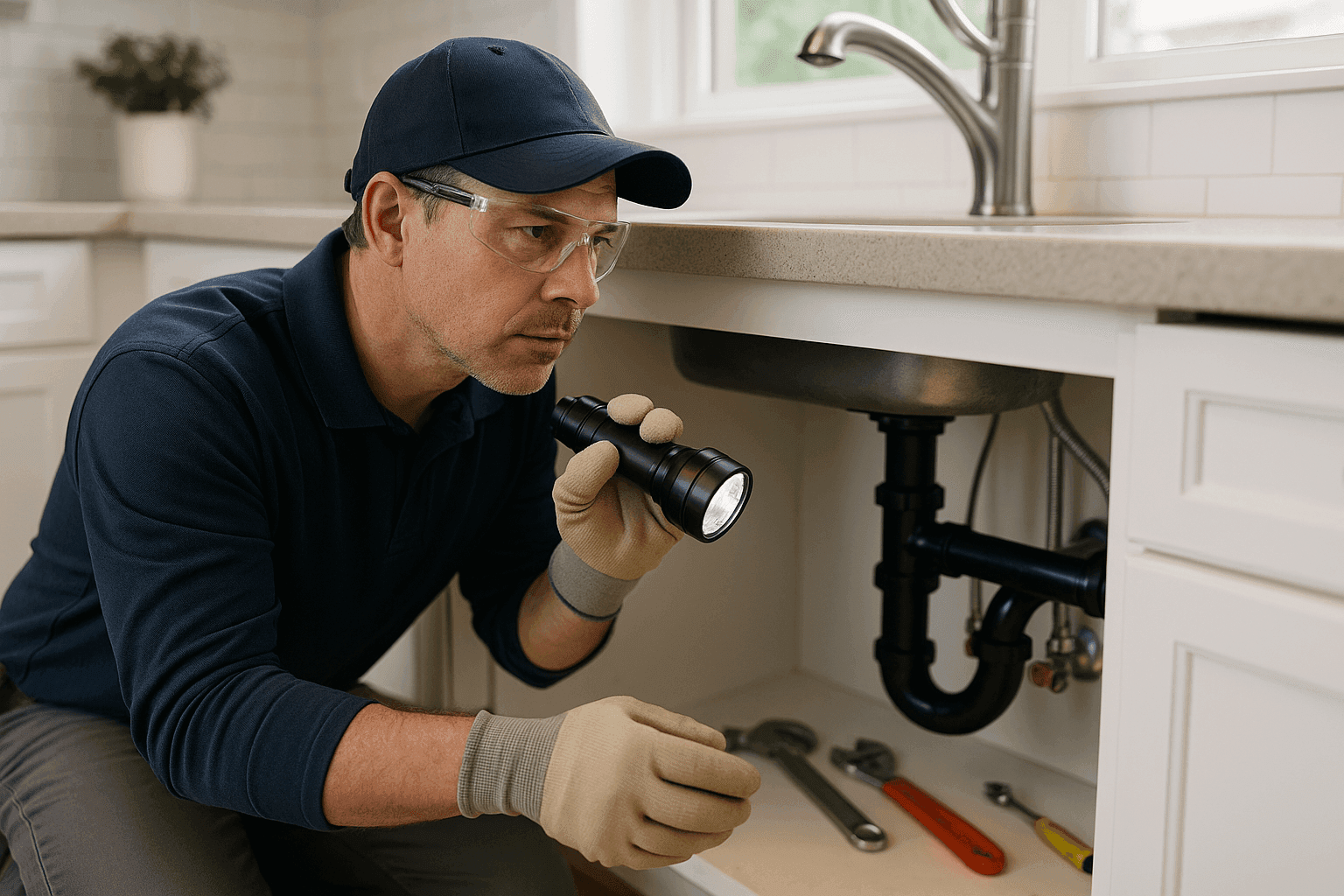
Plumbing problems never wait for a good time. A small leak can turn into a flood while you’re at work. A clogged drain can bring your morning routine to a halt. Whether you own a home or run a small business, plumbing issues can disrupt life and cost a fortune if left unchecked.
At RWB Plumbing, we know that a little prevention goes a long way. With years of experience in emergency plumbing, leak detection, and all things pipes, we’re here to help you keep your plumbing system running smoothly—no matter the season.
Understanding Your Plumbing System Basics 🚰
Think of your plumbing like the veins and arteries of your building. Water flows in, waste flows out. When everything moves as it should, you hardly notice it. But when there’s a blockage or a leak, it’s like a traffic jam on a busy highway.
Your plumbing system includes:
- Supply lines: Bring fresh water to your sinks, toilets, showers, and appliances.
- Drainage pipes: Carry wastewater safely out.
- Fixtures: Faucets, toilets, showers, and tubs.
- Valves: Control water flow and allow for shut-off during repairs.
- Vents: Help drains flow smoothly by letting air in.
- Water heater: Supplies hot water on demand.
- Specialty systems: Garbage disposals, sump pumps, backflow preventers, and water filtration units.
Knowing where key shut-off valves are—and how to turn them off—can save you from a major headache when something goes wrong.
Seasonal Maintenance Tasks
Every season brings its own plumbing challenges. Planning ahead keeps things flowing and prevents costly emergencies.
Winter: Protect Against Freezing
Cold weather is tough on pipes. When water freezes, it expands—sometimes bursting pipes and flooding your home.
- Insulate exposed pipes: Use foam sleeves or insulation tape in basements, crawl spaces, and attics.
- Disconnect outdoor hoses: Drain and store them to prevent outside faucets from freezing.
- Seal gaps: Check for drafts near pipes and seal them to keep cold air out.
- Let faucets drip: A slow trickle on the coldest nights keeps water moving and prevents freezing.
- Know your main shut-off valve: In case a pipe bursts, you’ll need to turn off water fast.
Spring: Check for Winter Damage
As snow melts and temperatures rise, it’s time for a plumbing check-up.
- Inspect pipes for cracks or leaks: Especially in rarely-used areas.
- Test outdoor faucets: Look for leaks that could indicate a burst pipe.
- Clean gutters and downspouts: Prevents water from pooling near your foundation.
- Check sump pump: Pour water into the pit to make sure it turns on and drains.
Summer: Tackle High Usage
Summer often means more showers, laundry, and kitchen use.
- Check for slow drains: Address clogs before they become bigger problems.
- Inspect washing machine hoses: Look for bulges or leaks.
- Watch for water pressure changes: Sudden drops can signal leaks.
Fall: Prepare for Cold Weather
Before temperatures drop, a little prep goes a long way.
- Flush water heater: Removes sediment for better efficiency.
- Inspect and clean gutters: Keeps water away from your foundation.
- Shut off and drain outdoor faucets: Prevents freezing.
- Test backflow prevention devices: Protects your water supply.
Common Warning Signs to Watch For
Plumbing problems often start small. Catching them early can save you from expensive repairs.
Watch for These Red Flags:
- Dripping faucets: Wastes water and hints at worn parts.
- Slow drains: Often a sign of buildup or a clog.
- Unusual noises: Banging, gurgling, or whistling can mean air in the pipes or loose fittings.
- Water stains: On ceilings or walls, these can signal hidden leaks.
- Low water pressure: Could be a leak, blockage, or municipal issue.
- Musty odors: Suggests standing water or mold from leaks.
- Running toilets: Can waste hundreds of gallons a day.
If you spot any of these, don’t wait. Small issues can quickly snowball into emergencies.
DIY Preventative Tips vs. When to Call a Professional
Some plumbing fixes are simple. Others need a trained eye and the right tools.
What You Can Do Yourself
- Routine checks: Look under sinks and around appliances for drips or puddles.
- Clean drains: Use a hair catcher in showers and avoid pouring grease down the kitchen sink.
- Test shut-off valves: Make sure you can turn them easily.
- Flush water heater: Once a year to remove sediment.
- Check for leaks: Food coloring in the toilet tank will reveal a leaking flapper.
When to Call a Professional
- Persistent clogs: If plunging doesn’t work, there may be a bigger blockage.
- Major leaks: Especially if pipes are hidden or hard to reach.
- Low water pressure throughout the building: Could be a sign of a hidden leak or pipe corrosion.
- Water heater issues: Strange noises, leaks, or no hot water.
- Gas line work: Always call a certified plumber for installation or repairs.
- Backflow problems: These require specialized testing and repairs.
Certified plumbers, like those at RWB Plumbing, follow standards set by the International Plumbing Code (IPC) and National Standard Plumbing Code (NSPC). This ensures repairs and installations are safe and up to code.
Emergency Preparedness to Minimize Damage 🚨
Plumbing emergencies can happen fast. A burst pipe, overflowing toilet, or leaking water heater can cause thousands in damage within minutes. Being prepared can make all the difference.
Quick Safety Checklist
- Know your main water shut-off valve location.
- Keep a wrench handy: Some valves need a tool to turn off.
- Store emergency numbers: Have RWB Plumbing’s contact info ready.
- Have towels, buckets, and a wet/dry vacuum: For quick clean-up.
- Turn off electricity if water is near outlets or appliances.
- Move valuables out of harm’s way: Especially in basements or near water heaters.
What Pros Do On Arrival
When you call for emergency plumbing help, here’s what happens:
- Assessment: We quickly locate the source of the issue—whether it’s a leak, clog, or equipment failure.
- Containment: Shut off water to prevent further damage.
- Diagnosis: Use specialized tools like leak detectors, cameras, and pressure gauges.
- Repair: Fix the issue using code-approved materials and methods.
- Testing: Ensure everything is safe and working before we leave.
- Advice: We’ll let you know if there’s anything else to watch for or maintain.
Prevention & Maintenance: The Long Game
Routine maintenance is like brushing your teeth for your plumbing. It keeps things running smoothly and helps you avoid big, expensive surprises.
Regular Tasks
- Check for leaks monthly: Under sinks, around toilets, and near appliances.
- Clear drains: Use natural cleaners or a drain snake for slow drains.
- Inspect hoses: Washing machine, dishwasher, and refrigerator hoses can crack over time.
- Test water pressure: High pressure can damage pipes; a plumber can install a regulator if needed.
- Schedule annual inspections: A professional can spot small issues before they become big ones.
Benefits of Routine Inspections
- Saves money: Fixing small leaks is cheaper than repairing water damage.
- Improves water quality: Filters and backflow prevention keep contaminants out.
- Boosts efficiency: Appliances and fixtures last longer and use less energy.
- Protects your property: Prevents mold, rot, and structural damage.
Authoritative resources like the Environmental Protection Agency (EPA) recommend routine leak checks, as household leaks can waste nearly 10,000 gallons of water per year.
Costs & Time Factors
Plumbing repairs and maintenance can range from quick fixes to bigger projects. Here’s what to expect:
- Simple DIY fixes: Tightening a loose faucet or cleaning a drain can take minutes.
- Professional leak repair: Usually completed in an hour or two, depending on the location.
- Water heater maintenance: Annual flushing takes about an hour.
- Pipe repairs or repiping: May take several hours to a few days for larger jobs.
- Emergency plumbing calls: Rapid response, but total repair time depends on the issue.
Regular maintenance is almost always less expensive than emergency repairs. Proactive care helps avoid water damage, mold cleanup, and property loss.
When It’s an Emergency
Some situations need immediate attention:
- Burst pipes
- Sewage backup
- No water or hot water
- Gas leaks
- Overflowing toilets
In these cases, shut off the water (or gas), clear the area, and call RWB Plumbing. Fast action can mean the difference between minor inconvenience and major damage.
FAQ
How often should I schedule a professional plumbing inspection?
For most homes and small businesses, once a year is ideal. If your building is older or you’ve had past issues, consider twice a year.
What’s the best way to prevent clogged drains?
Avoid pouring grease, coffee grounds, and food scraps down the kitchen sink. Use hair catchers in showers and tubs. Flush only toilet paper—nothing else.
What should I do if I find a leak?
Turn off the nearest shut-off valve and clean up any water. Then call a plumber to assess and repair the issue.
Are chemical drain cleaners safe?
Most aren’t recommended. They can damage pipes and harm the environment. Mechanical methods (like a plunger or drain snake) are safer.
Special Considerations for Homeowners and Small Businesses
If you run a business, plumbing downtime can mean lost revenue. For homeowners, it’s about protecting your investment and comfort. In both cases:
- Schedule maintenance during off-hours: Avoid disruptions.
- Install water alarms: Alerts you to leaks before they cause damage.
- Consider water filtration: Improves taste and safety.
- Stay compliant: Regular backflow testing and gas safety checks keep you up to code.
Remember, plumbing is more than pipes. It’s peace of mind, safety, and the backbone of your daily routine.
Call RWB Plumbing now — or reach us anytime at 877-409-5028 .