Pipe Installation: Types, Costs, and What to Expect
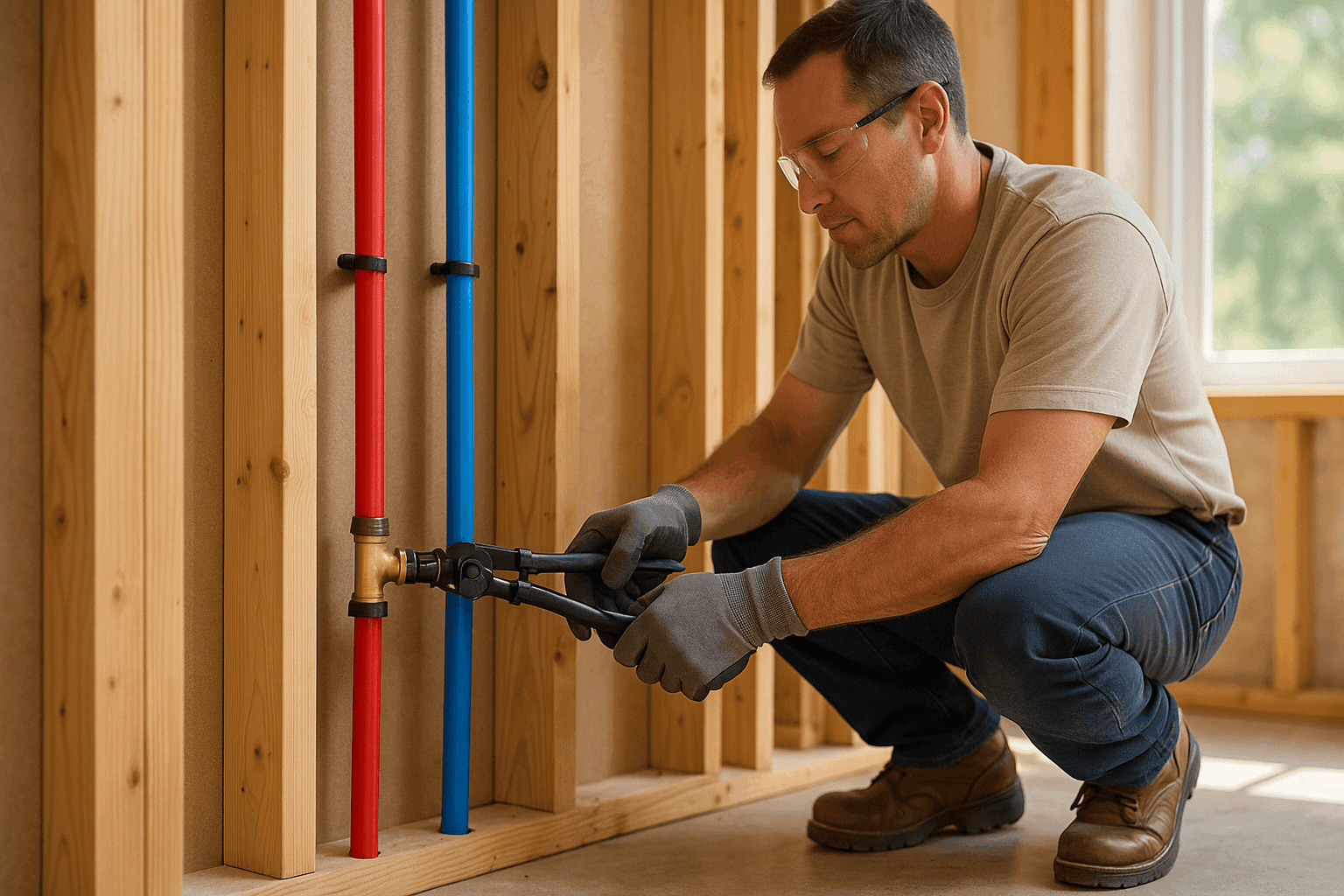
When it’s time to install new pipes at home, stress can creep in fast. You might hear gurgling in the walls, see water pooling under the sink, or notice stains on the ceiling. Pipe problems never wait for a good time.
At RWB Plumbing, we know what’s at stake. Clean water, safe gas, steady pressure—your home depends on it. Whether you’re planning a remodel or facing an emergency plumbing crisis, we help you make sense of pipe installation so you’re never left in the dark.
Pipe Installation Problems: What’s Really at Stake?
Pipes are the veins of your home. They carry water for coffee in the morning, hot showers at night, and keep your bathroom and kitchen running smoothly. But old, damaged, or poorly installed pipes can turn life upside down:
- Sudden leaks can ruin walls, floors, and furniture.
- Low water pressure makes daily tasks a struggle.
- Contaminated water can put your family’s health at risk.
- Gas leaks? That’s a whole new level of danger.
Choosing the right pipe material and understanding how work gets done can make the difference between a quick fix and a growing disaster.
Pipe Materials: Which One Fits Your Home? 🛠️
Every house is different. So are the pipes that serve them. Here’s how the most common residential pipe types stack up for water, gas, and drain lines:
PEX (Cross-Linked Polyethylene)
- Flexible: Bends around corners, fewer fittings.
- Resistant: Handles freezing better than copper; less likely to burst.
- Best for: Remodels, new water lines, places where flexibility matters.
- Cons: Sensitive to sunlight and some chemicals.
Copper
- Durable: Lasts 50+ years with proper care.
- Safe: Naturally resists bacteria and corrosion.
- Best for: Drinking water lines, visible piping, high-pressure zones.
- Cons: Higher cost, can freeze and split in cold climates.
PVC (Polyvinyl Chloride)
- Affordable: Lower material and labor costs.
- Lightweight: Easy to work with for drains and vents.
- Best for: Sewer lines, drain pipes—not for hot water or gas.
- Cons: Not suitable for high temperatures or direct sunlight.
Think of pipe selection like picking shoes for a hike. You wouldn’t wear flip-flops up a mountain. The right material depends on where it’s going, what’s flowing through it, and how long you want it to last.
Planning Pipe Installation: What to Expect
Getting new pipes isn’t just about the pipes. It’s about planning, timing, and paperwork. Here’s how pros like RWB Plumbing tackle each step:
1. Assessment & Planning
- Inspect walls, crawlspaces, and fixtures.
- Identify the source of leaks or pressure problems.
- Map out the shortest and safest pipe routes.
2. Permits & Code Compliance
- File for local permits as required.
- Follow International Plumbing Code (IPC) and state regulations.
- Schedule city or county inspections where needed.
3. Installation Timeline
- Small jobs: Sink or toilet pipe swap—half a day to a full day.
- Whole-home repiping: Can take up to a week, especially for older homes.
4. Clean Up & Testing
- Flush new pipes to remove debris.
- Pressure test for leaks.
- Inspect connections for safety—especially for gas lines.
Quick Safety Checklist Before Pipe Work
- Shut off the main water (or gas) supply.
- Ventilate the area if working near gas lines.
- Clear the workspace—move valuables and furniture.
- Ask about asbestos or lead if your home is older.
- Keep children and pets away from the job zone.
- Always verify your plumber is licensed and insured.
A safe worksite protects your family and your investment. The National Fire Protection Association (NFPA) and local building authorities set strict guidelines for a reason.
DIY or Call a Pro? The Real Risks
It might be tempting to patch a leak or replace a pipe yourself. Sometimes, it’s fine—like tightening a loose faucet or replacing a worn washer. But most pipe installations call for more than elbow grease:
- Hidden damage: You won’t see what’s behind the wall until it’s too late.
- Code violations: Unpermitted work could void insurance or lead to fines.
- Gas lines: Never DIY. Even a tiny mistake can be deadly.
For jobs like water heater repair near you, gas safety checks, or whole-home repiping, calling a licensed plumber is more than just smart—it’s safe.
What Pros Do When They Arrive
Ever wonder what happens when you call RWB Plumbing for emergency plumbing or planned pipe installation? Here’s a peek behind the scenes:
- Arrive with diagnostic tools, pipe materials, and safety gear.
- Locate shut-off valves and test for active leaks.
- Use leak detection technology (like acoustic sensors or infrared cameras).
- Cut and remove damaged sections—no more guessing.
- Install new pipes with code-approved fittings and proper support.
- Pressure test each line before calling it done.
- Clean up and review the work with you.
We work to leave your home cleaner, safer, and ready for everyday life.
Preventative Maintenance: Pipes That Last
Don’t wait for a flood or a freezing night to think about your pipes. Simple steps can extend their life and save money:
- Insulate exposed pipes before winter.
- Fix minor leaks right away.
- Schedule annual plumbing inspections.
- Watch for signs of rust or discoloration on fixtures.
- Avoid harsh chemical drain cleaners—they can eat pipes from the inside.
The Environmental Protection Agency (EPA) recommends checking for leaks and corrosion every year, especially in older homes.
Pipe Installation Costs & Time Factors 💸
No two jobs are the same. Costs depend on:
- Material: PEX is usually the most affordable; copper costs more due to material and labor; PVC is budget-friendly for drains.
- Length: More pipe, more money.
- Access: Easy-to-reach pipes cost less; hidden or buried pipes mean extra labor.
- Permits and inspections: Some cities charge for permits and require official sign-off.
- Emergency vs. planned: After-hours calls or emergency plumbing services may add to the bill.
Typical ranges:
- PEX: Lower labor, mid-range materials.
- Copper: Higher cost for both.
- PVC: Budget option for non-pressurized lines.
Ask your plumber for a written scope before work begins, so there are no surprises.
When It’s an Emergency
Some pipe problems just can’t wait:
- Burst pipes flooding your basement.
- Gas leaks with a rotten egg smell.
- No water at all—especially in freezing weather.
Shut off the main supply and call emergency plumbing help immediately. Quick action can prevent major property damage and keep your home safe.
Pipe Installation FAQ
How long do new pipes last?
PEX and PVC can last up to 50 years; copper often lasts even longer with good water quality.
Can I mix pipe materials?
Sometimes, but special connectors are needed (called dielectric unions). Mixing the wrong types can cause corrosion and leaks.
Do I need a permit to replace pipes?
In most cities, yes—especially for gas, main water, or sewer lines. Ask your plumber or local building department to be sure.
How soon can I use my water after new pipes are installed?
Usually within a few hours after final testing and inspection, but your plumber will confirm.
Seasonal & Local Considerations
Every region has its quirks. In colder climates, pipe insulation is a must—frozen pipes can burst and cause serious water damage. Coastal homes may face corrosion from salty air. If you’re in an older neighborhood, be alert for lead or galvanized steel pipes, which may need upgrading for health and code reasons.
Always check local building codes. The International Plumbing Code and your city’s requirements are the gold standard for safety and quality.
Ready for smooth, worry-free plumbing?
Call RWB Plumbing now — or reach us anytime at 877-409-5028 .