Plumbing Costs Explained: What Homeowners Can Expect
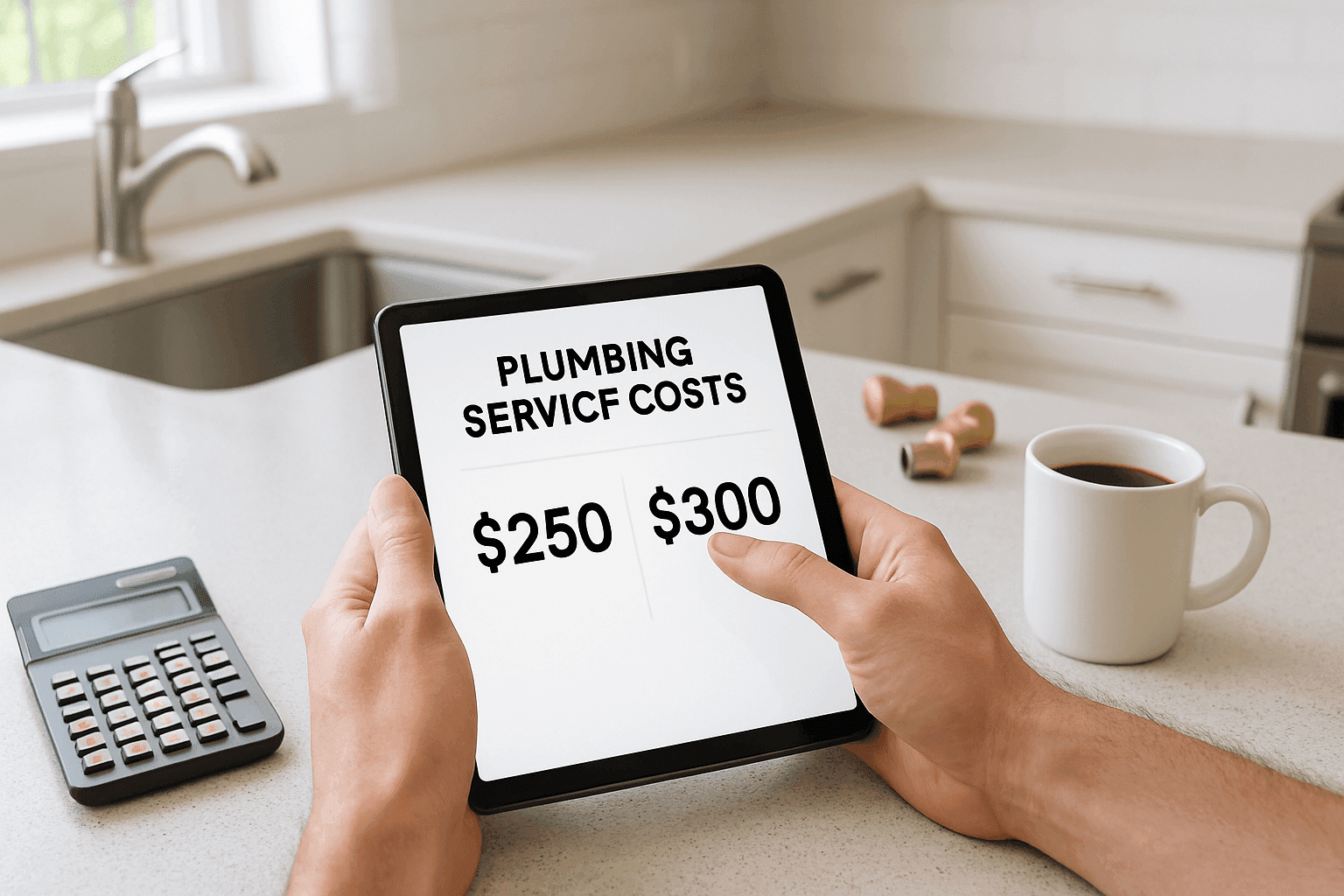
Plumbing problems pop up when you least expect them. A dripping ceiling. An ice-cold shower. Water pooling under the sink late at night. Suddenly, you’re not just facing a repair—you’re also staring down an unexpected bill.
At RWB Plumbing, we know homeowners want answers before the wrench comes out. This guide breaks down what goes into plumbing costs, so you can plan, budget, and breathe a little easier.
Why Do Plumbing Costs Vary So Much?
Imagine plumbing repairs like car repairs. Sometimes it’s a quick fix—tightening a bolt, swapping out a filter. Other times, it’s more like replacing a whole engine. The price tag depends on the size of the job, the parts needed, and how quickly it must be fixed.
Let’s look at four of the most common home plumbing jobs:
- Leak Repairs: A small drip behind the wall or a full-blown pipe burst.
- Water Heater Repair/Replacement: From a simple thermostat swap to a whole new tank.
- Drain Cleaning: Slow sinks, backed-up tubs, or major blockages.
- Repiping: Replacing old, corroded pipes throughout a home.
Each of these services involves different levels of time, expertise, and materials—which means costs can swing.
Quick Safety Checklist Before You Call 🚨
- Shut off the main water valve if you spot a major leak.
- Turn off electricity near any water-damaged areas.
- Smell gas? Leave the house immediately and call emergency services.
- Don’t touch standing water if outlets or cords are submerged.
- Review your homeowner’s insurance for emergency plumbing coverage.
DIY or Pick Up the Phone?
Some repairs seem simple. Tightening a loose faucet, plunging a slow drain, or swapping a showerhead can be satisfying weekend jobs. But a leaking pipe inside a wall, a water heater that won’t light, or persistent clogs that keep coming back? Those are signals to call in the pros.
When to DIY:
- Unclogging small sink drains with a plunger.
- Changing out visible, accessible fixtures.
- Replacing a toilet flapper or showerhead.
When to Call RWB Plumbing:
- Water stains on ceilings or walls.
- Low water pressure throughout the house.
- No hot water or strange noises from the heater.
- Gurgling drains, sewage smells, or repeated backups.
- Any suspected gas line issue or backflow.
Some plumbing jobs turn into a wild goose chase—what looks like a simple leak may reveal hidden damage beneath floors or behind walls. That’s where professional diagnosis matters.
What Happens When the Plumber Arrives?
Our licensed plumbers start by listening to your concerns. Then, we:
- Inspect the affected area and trace the problem to its source.
- Use specialized tools (like leak detection sensors or drain cameras) to spot hidden issues.
- Explain the issue in plain language—no confusing terms or pressure.
- Offer a straightforward estimate, itemizing labor, parts, and any urgent needs.
- Follow local plumbing codes and safety standards (referencing the Uniform Plumbing Code and state regulations).
You get no-surprise pricing. No last-minute add-ons.
Preventing Plumbing Problems
Think of plumbing care like changing oil in your car. Regular checkups catch small problems before they become disasters. Here’s how:
- Schedule annual inspections—especially for older homes.
- Install water alarms or smart leak detectors under sinks and near heaters.
- Flush water heaters yearly to prevent sediment buildup.
- Don’t pour grease or coffee grounds down the drain.
- Test your sump pump every spring and fall.
Preventative maintenance from RWB Plumbing can help avoid those midnight emergencies.
What Really Affects Plumbing Costs?
Let’s pull back the curtain. When you get a plumbing estimate, several factors blend together—like ingredients in a recipe. Here’s what shapes the cost:
Labor
Skilled plumbers bring years of training to every job. Labor costs depend on:
- The complexity of the job (quick fix vs. all-day project)
- Time of day (after-hours/emergency rates are higher)
- Number of plumbers needed (big jobs may require a team)
Materials
Not all pipes and parts are created equal. Costs can change based on:
- Copper vs. PEX vs. PVC piping
- High-efficiency water heaters or eco-friendly fixtures
- Specialized valves, fittings, or filtration systems
Permits & Code Compliance 📝
Major work—like repiping, new water heater installation, or gas line work—often requires city permits and inspections. These fees ensure the job meets safety codes and protects your home’s value.
Emergency Plumbing = Higher Costs
When a pipe bursts at midnight, you need help—fast. Emergency plumbing comes with a higher price, reflecting the urgency, overtime labor, and sometimes the need for temporary fixes until full repairs can be made.
Sample Estimate
Here’s a look at what a typical homeowner might see for common jobs (keep in mind, these are general ranges):
- Leak Repair: Small leaks might run a few hundred dollars. Extensive pipe repair or hidden leaks? That could stretch higher.
- Water Heater Repair Near You: Basic repairs (like a thermostat or heating element) are less than full replacements, which may cost up to several thousand dollars for high-end models.
- Drain Cleaning: Routine cleaning is usually affordable. Major blockages or tree root intrusions bump up the cost.
- Repiping: Whole-home repiping is the most significant investment but pays off in long-term safety and fewer future leaks.
Every home and situation is unique. That’s why RWB Plumbing provides clear, upfront estimates before any work begins.
When It’s an Emergency
Water surging through your living room? A sewer backup that won’t wait until morning?
Emergency plumbing services are like calling a tow truck at midnight—more expensive, but sometimes absolutely necessary. Here’s how to handle it:
- Turn off your water main (usually found in the basement, garage, or near the curb).
- Mop up what you can, but avoid standing water if electricity is involved.
- Take photos for your insurance company.
- Call RWB Plumbing for help—our lines are always open.
We’ll walk you through what to expect and help limit further damage.
Frequently Asked Questions
How can I get an accurate plumbing quote?
Share as many details as possible—photos, location of the issue, when it started, and any past repairs. This helps us pinpoint the problem and minimize surprises.
Do I need a permit for all plumbing work?
Small repairs typically don’t require permits, but major jobs like repiping, gas line installation, or water heater replacement usually do. RWB Plumbing handles all permit paperwork for you.
Why do emergency calls cost more?
Emergency plumbing means sending a team right away—sometimes at night or on holidays. This urgent response and overtime labor are factored into the price.
Is preventative maintenance worth it?
Absolutely. Routine checks and small fixes can help avoid thousands in emergency repairs later.
Local & Seasonal Plumbing Considerations 🌦️
Weather can be a big player in plumbing costs. In cold climates, frozen pipes are a winter headache. In rainy seasons, sump pumps work overtime. Hard water areas may see faster wear on heaters and fixtures.
Check with your local building department for seasonal advice or recommendations. The National Association of Home Builders and the Environmental Protection Agency both offer guidance on safe water practices and home plumbing standards.
Tips for Budgeting & Getting the Best Value
- Ask for itemized quotes so you know exactly what you’re paying for.
- Get estimates in writing before work starts.
- Consider RWB’s financing options for larger jobs—spread out costs to fit your budget.
- Keep records of all repairs for future reference or resale.
With RWB Plumbing, there’s no guesswork. Just honest, transparent pricing—so you can plan ahead and protect your home.
Call RWB Plumbing now — or reach us anytime at 877-409-5028 .