Plumbing Permits and Codes: What Homeowners Must Know
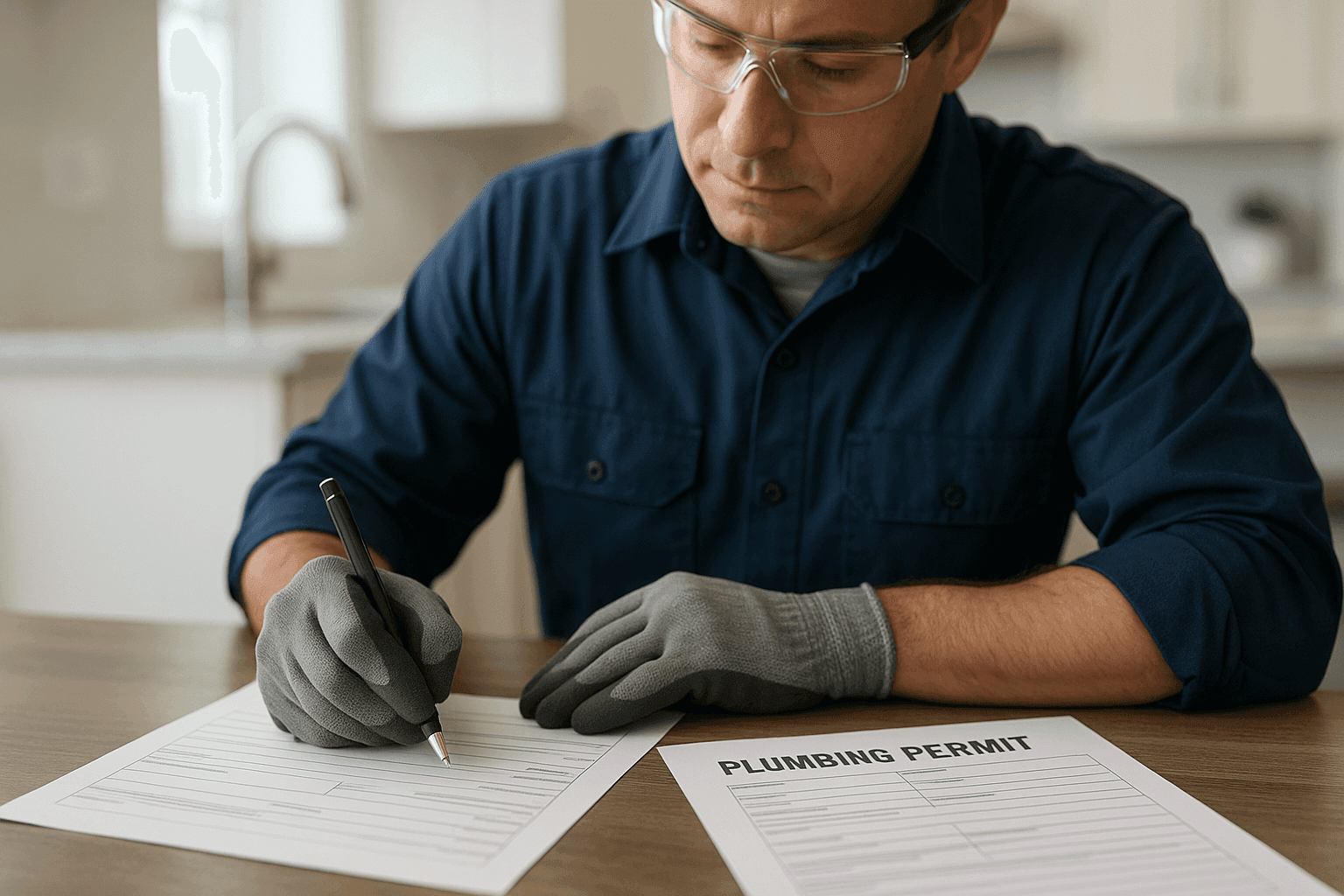
Plumbing can feel like a maze. Pipes, permits, paperwork—one wrong turn, and you could be looking at fines or even a flooded home. If you’ve ever wondered, “Do I need a permit for this?” or “What happens if I skip the codes?”—you’re not alone.
At RWB Plumbing, we guide homeowners through the permit process every day. We know the codebook so you don’t have to. Whether it’s a midnight emergency plumbing call or planning a water heater repair near you, understanding permits and codes is your secret weapon against costly mistakes.
When Do Plumbing Jobs Need a Permit? 📝
Not every drip or clog needs paperwork. But some plumbing jobs are like dominoes—touch one, and the whole system can be affected. That’s why local building departments require permits for certain tasks.
Jobs that almost always require permits:
- Water Heater Installation or Replacement: Hot water heaters deal with both water and gas or electricity. Changing them out? You need a permit.
- Repiping Your Home: Replacing all your pipes isn’t just a big job—it changes the backbone of your plumbing system.
- Gas Line Installation or Repair: Gas is no joke. For safety, every new or altered gas line must be inspected, starting with a permit.
- Sewer Line Work: Installing, repairing, or replacing main sewer lines always involves permits and inspections.
- Backflow Prevention Devices: Many cities require permits for these safety devices to protect drinking water.
Jobs that sometimes need permits, depending on your city:
- Bathroom or Kitchen Remodels: Moving pipes or fixtures? You’ll probably need to pull a permit.
- Major Drain Repairs: Especially if you’re digging up floors or yards.
- Sump Pump Installation or Replacement: Some municipalities require permits due to flood risk.
Simple repairs often don’t need permits:
- Unclogging toilets
- Fixing a leaky faucet
- Replacing a showerhead
But when in doubt—ask. Local code offices or professionals like RWB Plumbing can clarify.
Why Plumbing Codes Matter (And How to Avoid Violations)
Think of plumbing codes as the rules of the road for your home’s water and gas systems. They exist to protect you, your family, and even your neighbors from dangerous mistakes.
Violating codes can mean:
- Unsafe water or gas leaks
- Fines from the city
- Trouble selling your home (unpermitted work often blocks sales)
- Voided insurance if there’s a disaster
How to stay protected:
- Always check your city’s building department for permit requirements. The International Plumbing Code (IPC) and Uniform Plumbing Code (UPC) are two main rulebooks.
- Hire licensed plumbers who know the local codes.
- Keep records of permits and inspections for future proof.
Skipping the rules is like building a house of cards—one gust, and it all comes down.
The Plumbing Permit Process: Step by Step
Pulling a permit might sound intimidating, but it’s a routine part of safe home improvements. Here’s what you can expect:
- Application: Submit plans or job details to your local building department. This can often be done online.
- Review: Officials check that your plans meet local codes and safety standards.
- Permit Issued: Once approved, you get the green light to start.
- Work Performed: Plumbing work happens—by you or your chosen pro.
- Inspections: City inspectors check the work, sometimes in stages (especially for gas or sewer lines).
- Final Approval: Passed inspections mean you’re officially done. Keep that paperwork!
Tip: Always post the permit where it’s visible. It’s your hall pass for the job.
Inspection Timelines: What to Expect ⏰
Inspections aren’t just paperwork—they’re peace of mind. Here’s how they usually go:
- Initial Inspection: After rough-in (when pipes are in but walls are still open).
- Final Inspection: After everything is put together, fixtures installed, and water/gas is flowing.
How long?
- Most cities can schedule inspections in 1–3 days.
- Emergency plumbing jobs may get rushed, but always ask your inspector.
RWB Plumbing Tip: Be present for inspections if you can. Inspectors often share helpful advice for long-term maintenance.
Quick Homeowner Safety Checklist
Before you start any plumbing project, run through these basics:
- Is the job more than a simple repair? Permits might be needed.
- Will you touch gas lines, water heaters, main sewer, or hidden pipes?
- Have you checked local code requirements and permit applications?
- Do you have access to shut-off valves for water and gas?
- Is there a plan for cleanup if something goes wrong?
A few minutes of prep can save hours—or even days—of trouble later.
DIY vs. Calling a Pro: What’s Allowed, What’s Smart 👷
DIY can be tempting, especially for smaller fixes. But city codes draw a clear line:
- You may be allowed to pull a permit as a homeowner—but only if you live in the house and do the work yourself.
- Some jobs (like gas work) require a licensed plumber by law.
Ask yourself:
- Do you have the skills and tools for complex plumbing?
- Are you comfortable with city inspections and paperwork?
- Can you handle it if something leaks, floods, or doesn’t pass code?
When to call RWB Plumbing:
- Emergency plumbing situations (burst pipes, gas leaks, sewage backups)
- Water heater repair near you that involves gas or electrical work
- Repiping or new installations
Sometimes the cost of fixing a mistake is much higher than just doing it right the first time.
What Pros Do On Arrival
RWB Plumbing pros don’t just show up with a wrench. Here’s how we keep your project safe and legal:
- Review the job: Make sure permits are in place, or help file them if needed.
- Inspect for code compliance: We check not just what’s broken, but what might cause future issues.
- Communicate with inspectors: We coordinate inspection visits and walk them through the work.
- Document everything: Photos, paperwork, and inspection results are part of every job.
Our goal? No surprises—just safe, smooth plumbing you can count on.
Prevention & Maintenance: Staying Ahead of Code Issues
Permits and codes aren’t just for big emergencies. They’re part of smart home maintenance, too.
Stay ahead by:
- Scheduling annual leak detection or gas safety checks.
- Testing backflow prevention devices as required by your city.
- Keeping records of all repairs and permits, even for small jobs.
- Upgrading old pipes and fixtures to meet updated codes.
The Uniform Plumbing Code recommends regular checkups—think of it like a tune-up for your home’s heart and lungs.
Costs & Time Factors: What to Expect 💵
Permits and code compliance do add time and cost, but often less than you might expect.
Typical permit costs:
- $50–$500, depending on the job and your city.
Time factors:
- Simple repairs: Same-day or next-day.
- Larger jobs: Allow extra days for permit approval and inspections.
Skipping permits?
You might save a few bucks upfront, but risk thousands in fines or repairs later. It’s like skipping seatbelts—until you need them.
When It’s an Emergency
Emergencies—burst pipes, gas leaks, overflowing toilets—don’t wait for paperwork. But code rules still apply.
- Call for emergency plumbing help immediately.
- Most cities allow immediate emergency repairs, but require permits to be filed right after.
- Always document what happened and what was fixed.
RWB Plumbing responds fast and makes sure your repairs stay up to code, even under pressure.
Plumbing Permit & Code FAQ
Do I really need a permit for a water heater repair near me?
If you’re replacing or moving a water heater, yes. Small repairs (like fixing a pilot light) usually don’t.
What happens if I skip a required permit?
You could face fines, be ordered to redo work, or have trouble selling your home. Insurance may not cover future problems.
Can I do my own plumbing work?
Sometimes, yes—if you own and live in the home. But gas, sewer, and major repiping often require a licensed pro.
Where can I check my city’s requirements?
Your local building department website, or national codes like the International Plumbing Code (IPC) and Uniform Plumbing Code (UPC).
Local & Seasonal Considerations 🚰
Every city has its quirks. For example:
- Some areas require extra insulation for pipes in winter.
- Flood-prone regions demand sump pump permits and inspections.
- Cities with older homes may have stricter rules about lead pipes or backflow prevention.
Tip: Ask about local plumbing codes before starting any major project, especially if you’re new to the area.
Don’t let permits, codes, or paperwork stand between you and a safe, comfortable home. RWB Plumbing knows the rules—and how to get your job done right, the first time.
Call RWB Plumbing now — or reach us anytime at 877-409-5028 .