How to Prepare Your Plumbing for Winter Freezes and Storms
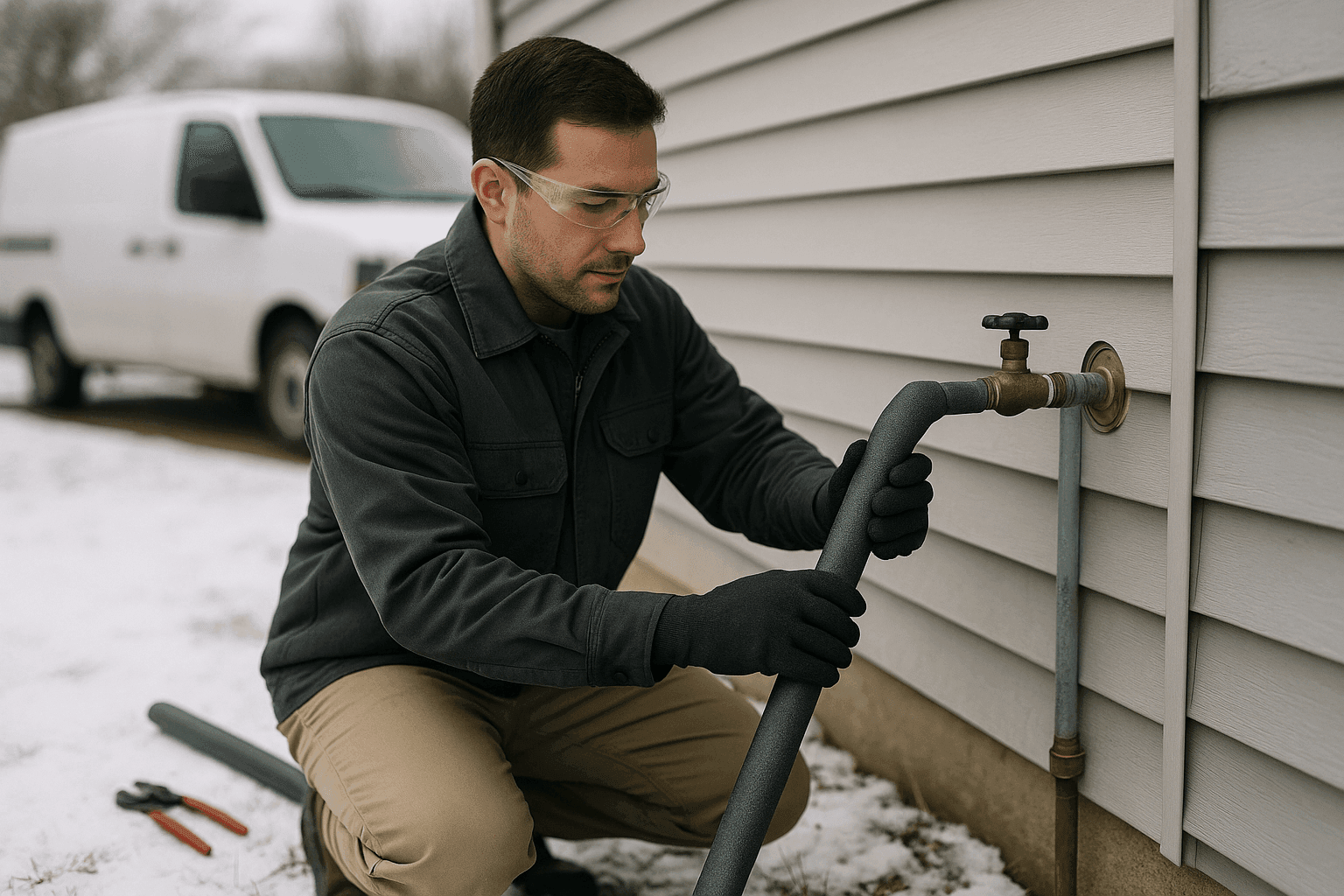
Winter can be tough on plumbing. When the temperature drops and storms roll in, pipes and fixtures face real risks—freezing, bursting, leaks, and water damage. It happens fast. One cold snap, and you could be mopping up a mess or scrambling for emergency plumbing help.
At RWB Plumbing, we’ve seen it all. We know how a little preparation now can save you major headaches (and expenses) later. This guide breaks down practical steps for homeowners and small business owners to shield plumbing systems from winter’s worst.
Why Winter Freezes Threaten Plumbing
Cold air sneaks into the smallest cracks. Water left sitting in pipes? It expands as it freezes—like a soda can left in the freezer. Suddenly, even strong pipes can burst. Storms add pressure: wind-driven rain, sleet, and snow test your system’s limits.
The result? Flooded basements, ruined walls, and costly repairs. That’s why it’s smart to spot trouble before it starts.
Quick Safety Checklist for Winter Plumbing 🧤
- Shut off and drain outdoor faucets and hoses.
- Insulate exposed pipes in basements, attics, crawl spaces, and garages.
- Check for drafts near plumbing—seal gaps with caulk or foam.
- Know where your main water shutoff valve is located.
- Keep the thermostat set to at least 55°F, even if you’re away.
- Test sump pumps and backflow preventers.
- Schedule a professional inspection if you’re unsure about vulnerable areas.
Identifying Vulnerable Plumbing Areas
Every property is different, but some spots are always at risk:
- Outdoor faucets and hose bibs: First to freeze, first to burst.
- Unheated basements and crawl spaces: Cold air loves low places.
- Garages and attics: Pipes here often lack insulation.
- Exterior walls: Pipes running close to outside walls feel the chill quickest.
- Vacant properties or unused rooms: Less heat, more risk.
Recognizing Early Signs of Pipe Freezing
How do you know trouble is brewing?
- Weak water flow from faucets.
- Frost on visible pipes.
- Unusual noises—whistling, banging, or clanking.
- Damp spots or puddles near walls or ceilings.
If you spot these signs, act fast. The longer you wait, the worse it gets.
How to Insulate Pipes: Step-by-Step
Insulating pipes is like wrapping them in a warm scarf. Here’s how:
Step 1: Gather Supplies
- Foam pipe insulation sleeves (available at most hardware stores)
- Duct tape or zip ties
- Scissors or a utility knife
- Gloves for protection
Step 2: Measure and Cut
- Measure the length of exposed pipe.
- Cut insulation sleeves to fit snugly.
Step 3: Wrap and Secure
- Slide insulation over the pipe, covering every inch.
- Use duct tape or zip ties to hold insulation in place, especially at joints and bends.
Step 4: Seal Gaps
- Inspect for any missed spots, especially near elbows and valves.
- Fill small gaps with pipe insulation tape or spray foam.
Insulation is most effective when it’s continuous—no gaps, no drafts.
Winterizing Outdoor Faucets and Hose Bibs
Outdoor faucets are the Achilles’ heel of winter plumbing. Here’s how to protect them:
- Disconnect all hoses and drain them.
- Shut off the interior valve controlling outdoor faucets (if you have one).
- Open the outdoor faucet to let remaining water drain out.
- Add a faucet cover or insulated dome for extra protection.
If you have an irrigation system, follow manufacturer guidelines for winterization—usually involves blowing out lines with compressed air.
Emergency Preparedness: What to Do Before and During a Freeze
Storm on the horizon? Here’s your action plan:
- Let cold water drip from faucets served by exposed pipes—moving water is less likely to freeze.
- Open cabinet doors under sinks to let warm air circulate around pipes.
- Keep garage doors closed if water lines run through the space.
- Have towels, buckets, and a wet/dry vacuum ready in case of leaks.
- Know the phone number for emergency plumbing services (like RWB Plumbing).
DIY vs. When to Call a Pro
Some tasks are DIY-friendly. Others need a licensed plumber.
Good for DIY
- Adding foam insulation to accessible pipes
- Draining hoses and outdoor faucets
- Sealing small drafts with caulk
Call a Pro For
- Signs of existing leaks or water damage
- Frozen pipes you can’t safely thaw
- Gas line safety checks or repairs
- Backflow testing and sump pump repairs
- Major plumbing upgrades or code compliance
Trying to fix complicated issues yourself can make things worse. When in doubt, call for help.
What Plumbers Do When They Arrive
When RWB Plumbing arrives for a winter emergency, here’s what you can expect:
- Assessment: We locate the source of the freeze or leak.
- Containment: Water is shut off if necessary to prevent further damage.
- Thawing: Safe thawing of frozen pipes using heat lamps or specialized tools—never open flames.
- Repairs: Damaged pipes, valves, or fixtures are repaired or replaced.
- Prevention: We’ll recommend upgrades or insulation to prevent repeat issues.
We follow safety codes from organizations like the International Plumbing Code (IPC) and the Uniform Plumbing Code (UPC). Safety and compliance come first.
Prevention & Maintenance: Staying Ahead of Winter
Routine maintenance is your best defense. Here’s a schedule to keep plumbing in top shape:
- Early Fall: Inspect all exposed pipes, faucets, and fixtures. Add insulation as needed.
- Late Fall: Drain and cover outdoor faucets. Test sump pumps and backflow devices.
- Monthly (Winter): Check for drafts, frost, or unusual noises. Run water regularly in seldom-used fixtures.
- Spring: Inspect for leaks or water stains—catch issues early.
Consider scheduling a professional plumbing inspection annually. A trained eye spots things most people miss.
Costs & Time Factors
Winter plumbing prep doesn’t have to break the bank. Here’s what to expect:
- DIY insulation: Usually affordable—foam sleeves and tape are inexpensive.
- Professional inspection: Typically takes 1–2 hours, depending on property size and complexity.
- Emergency plumbing repairs: Costs vary based on the severity and location of the problem. After-hours or holiday calls may increase rates.
- Major repairs (burst pipes, water heater issues): Can take several hours and require parts replacement.
Investing a little now can save thousands in repairs and property damage later.
When It’s a Plumbing Emergency 🚨
Not sure if your situation is urgent? Here are clear signs it’s time to call emergency plumbing services:
- Water spraying or gushing from pipes or fixtures
- No water flow at all (possible frozen main line)
- Sewage backing up into sinks, tubs, or toilets
- Gas odors near plumbing or appliances—leave the building and call for help immediately
- Water heater leaks or failure in freezing temps
Don’t wait. Fast action limits damage and keeps your property safe.
Frequently Asked Questions
How can I tell if my pipes are at risk of freezing?
Pipes in unheated areas, exterior walls, or near drafts are most vulnerable. If you notice weak water flow or frost on pipes, act quickly.
Can I use a hair dryer to thaw frozen pipes?
Yes, but only if the pipe is accessible and you can do so safely. Never use open flames. If unsure, call a professional.
What temperature should I keep my property at during winter?
Keep your thermostat set to at least 55°F, even if you’re away. Lower temperatures increase the risk of freezing.
Is preventative maintenance really worth it?
Absolutely. Regular checks and insulation cost far less than repairing burst pipes or water damage.
Special Considerations for Winter Plumbing
- Older homes: May have less insulation and more vulnerable pipes—extra caution needed.
- Commercial properties: Complex plumbing systems require thorough inspections and may need additional safeguards.
- Vacant properties: Arrange for periodic checks or remote monitoring to catch problems early.
For all properties, following guidelines from organizations like the American Society of Plumbing Engineers (ASPE) and the National Fire Protection Association (NFPA) helps ensure safety and resilience.
Winter weather doesn’t wait. Neither should you. If you’re facing a plumbing emergency or want to get ahead of the next storm, Call RWB Plumbing now — or reach us anytime at 877-409-5028 .