Preventative Plumbing Maintenance: Save Money and Stress
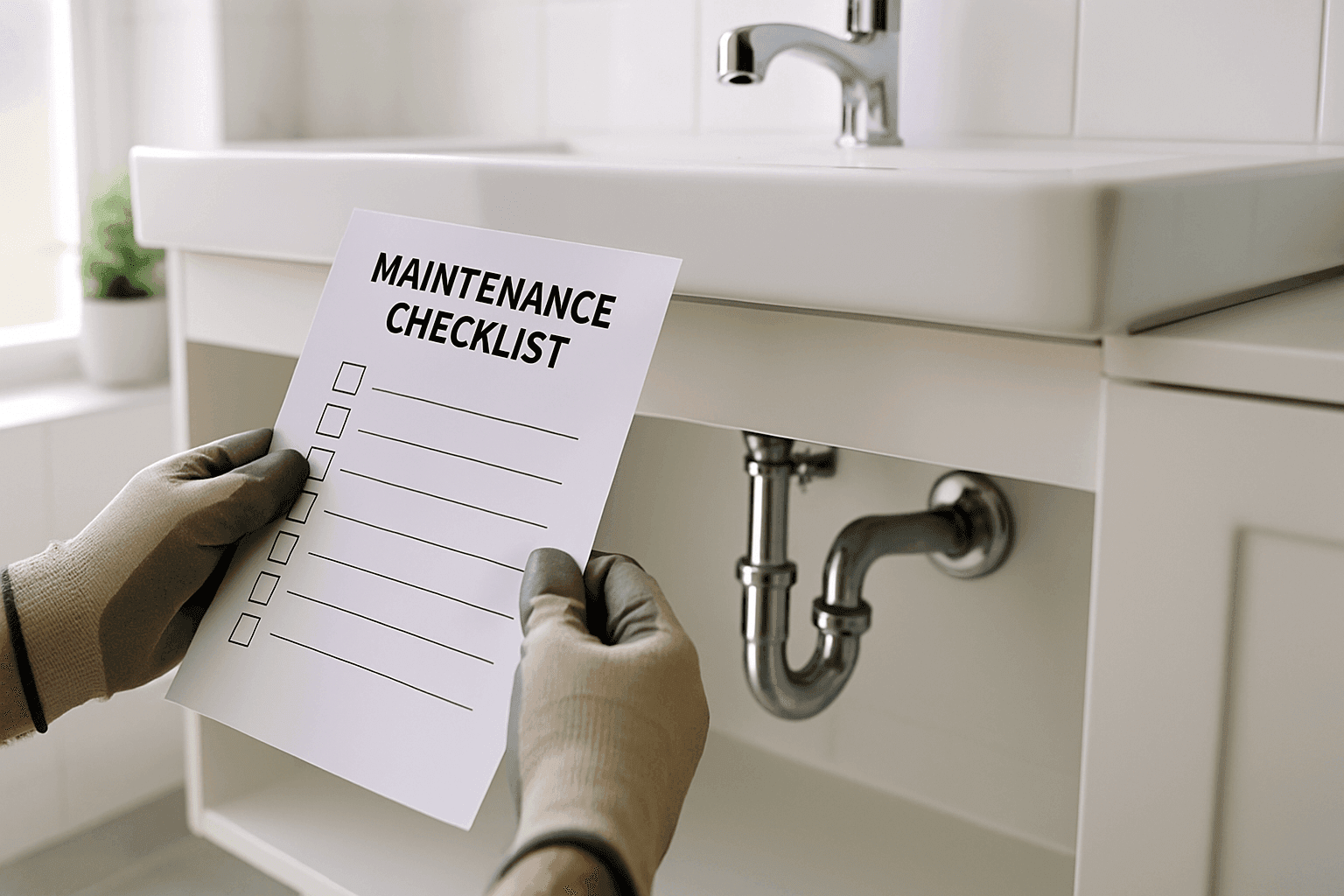
Is your home’s plumbing a mystery until something leaks, bursts, or backs up? You’re not alone. Most homeowners don’t think about pipes and fixtures until water is somewhere it shouldn’t be.
But small steps—taken regularly—can save you big headaches. At RWB Plumbing, we’ve helped families avoid late-night emergencies for years. Let’s walk through the practical, stress-busting routine that gives you peace of mind (and keeps your wallet happy).
Why Preventative Plumbing Maintenance Matters
Imagine your plumbing as the circulatory system of your house. When something clogs, leaks, or fails, the whole system can feel off—sometimes suddenly, sometimes slowly and quietly. Water damage, hidden mold, and rising utility bills are silent threats.
Routine checks aren’t just about stopping disasters. They also help your fixtures and appliances run longer, saving money on repairs and replacements.
And for those moments when the unexpected strikes? You’ll be ready—with RWB Plumbing’s 24/7 emergency plumbing team, always near you.
The Quick Safety Checklist 🛑
Before you start poking around, grab a flashlight and this simple checklist. Safety comes first:
- Turn off the main water valve before major checks.
- Never mix plumbing and electricity—power off appliances like water heaters.
- Use gloves and protective eyewear for drain or chemical work.
- If you smell gas or see standing water near outlets, leave and call a pro right away.
- Know where your shut-off valves are (sinks, toilets, main).
These steps follow basic safety guidelines outlined by the International Association of Certified Home Inspectors (InterNACHI).
DIY Plumbing Inspection: Room by Room
Start with a simple, top-to-bottom walk-through once a season. Here’s what to look for:
Kitchen
- Check under the sink for drips or stains.
- Run the garbage disposal—listen for odd noises.
- Inspect faucet handles and sprayers for leaks.
- Look at dishwasher and fridge water lines for moisture.
Bathrooms
- Inspect around the toilet base for dampness.
- Flush—does it refill smoothly?
- Examine tub/shower caulking and grout for cracks.
- Turn on each faucet—look for slow drainage or leaks.
Laundry & Utility Areas
- Check washing machine hoses for bulges or cracks.
- Scan around the water heater for wet spots or corrosion.
- Test sump pump by pouring water into the pit—does it turn on?
Whole House
- Walk the basement/crawlspace for pooling water or new stains.
- Listen for pipes banging or rattling.
- Feel pipes for condensation or corrosion.
Seasonal Must-Dos: Your Home’s Plumbing Calendar 🗓️
Spring
- Inspect outdoor faucets and hose bibs for freeze damage.
- Clear leaves/debris from sump pump discharge lines.
- Schedule a sewer line inspection after heavy rains.
Summer
- Check for slow drains (tree roots grow into pipes this season).
- Test sprinkler backflow preventers.
- Look for signs of water pressure issues—could signal hidden leaks.
Fall
- Detach and store hoses; shut off exterior water valves.
- Insulate exposed pipes in unheated spaces.
- Drain and flush your water heater to remove sediment.
Winter
- Open cabinet doors under sinks to let warm air circulate.
- Let a trickle of water run on icy nights to prevent frozen pipes.
- Make sure pipe insulation is secure—especially in attics and crawlspaces.
Download Your Free Plumbing Maintenance Checklist
Stay on track year-round. Download our printable checklist here.
When Should You Call a Pro?
DIY is great for spotting early warning signs. But some issues are best left to a licensed plumber:
- Sudden drop in water pressure (could signal a main line leak)
- Persistent sewer odors
- No hot water, or water heater leaks
- Gurgling toilets and drains backing up
- Gas smells near appliances or pipes
- Water stains on ceilings or walls
If you notice any of these, don’t wait. Reliable “Water Heater Repair near you” and leak solutions are just a call away—day or night.
What RWB Plumbers Do On Arrival
When you call RWB Plumbing for emergency plumbing or routine maintenance, here’s what you can expect:
- Careful system inspection, from fixtures to main lines
- Leak detection with advanced equipment (thermal imaging, pressure tests)
- Water heater and boiler checks (following manufacturer and local code)
- Sewer line camera inspection if backups or odors are present
- Clear explanation of findings—no jargon, just what matters to you
Our team knows the local climate, water conditions, and common issues in homes like yours. We’ll walk you through options and answer every question.
How Prevention Pays Off
Every hour spent on maintenance can save you days of repairs. Here’s what you get back:
- Fewer emergency calls (no more midnight floods)
- Lower water and energy bills
- Longer life from water heaters, pipes, and fixtures
- Higher home value—maintenance records matter during sales
Let’s put it in perspective: Fixing a small drip now might cost less than a family pizza night. Waiting until it bursts could mean a new floor, drywall, or even insurance claims.
Costs & Time: What to Expect
- DIY checks: Most take less than 30 minutes per month.
- Professional inspections: Once or twice a year is ideal, especially for older homes.
- Repairs: Simple fixes (like a leaky faucet) are quick. Hidden leaks, repiping, or water heater repairs can take several hours—or more if parts must be ordered.
Remember: the longer you wait, the more “emergency” it becomes, and the higher the bill.
When It’s an Emergency 🚨
How do you know when to call for emergency plumbing? Here’s your red flag list:
- Flooding or uncontrolled water flow
- Sewer backup into tubs or sinks
- Gas leaks (rotten egg smell)
- No water in the entire house
- Burst pipes (especially in winter)
Don’t try to troubleshoot alone in these moments. Shut off your main water valve and call RWB Plumbing immediately.
FAQ: Home Plumbing Maintenance
Q: How often should I flush my water heater?
A: Once a year is recommended by most manufacturers and the U.S. Department of Energy. More often if your water is hard.
Q: What’s the best way to prevent frozen pipes?
A: Insulate pipes in unheated areas, keep the thermostat consistent, and let taps drip on freezing nights.
Q: Is that running toilet really a big deal?
A: Yes! A stuck flapper can waste hundreds of gallons of water per week—easy to fix, costly to ignore.
Q: Can I use chemical drain cleaners?
A: Avoid them if possible—they can damage pipes and aren’t safe for septic systems. Try a plunger or manual snake first.
Local/Seasonal Tips from RWB Plumbing 🌦️
We know your neighborhood, your water, and your weather. Here’s what we see most in each season:
- Spring: Tree roots in sewer lines after wet weather.
- Summer: Droughts can shift soil, stressing pipes.
- Fall: Leaves blocking outdoor drains.
- Winter: Frozen pipes in older homes or those with crawlspaces.
Our preventative maintenance plans are shaped by real experience, not just checklists. We’re always just around the corner when trouble pops up—or before it does.
Keeping your plumbing healthy isn’t about fancy gadgets or endless checklists. It’s about simple habits, a little attention, and knowing when to call in the pros. Want to keep your plumbing running smoothly—no matter the season?
Call RWB Plumbing now — or reach us anytime at 877-409-5028 .