Preventing Plumbing Disasters: Essential Maintenance Tips for Homeowners and Small Businesses
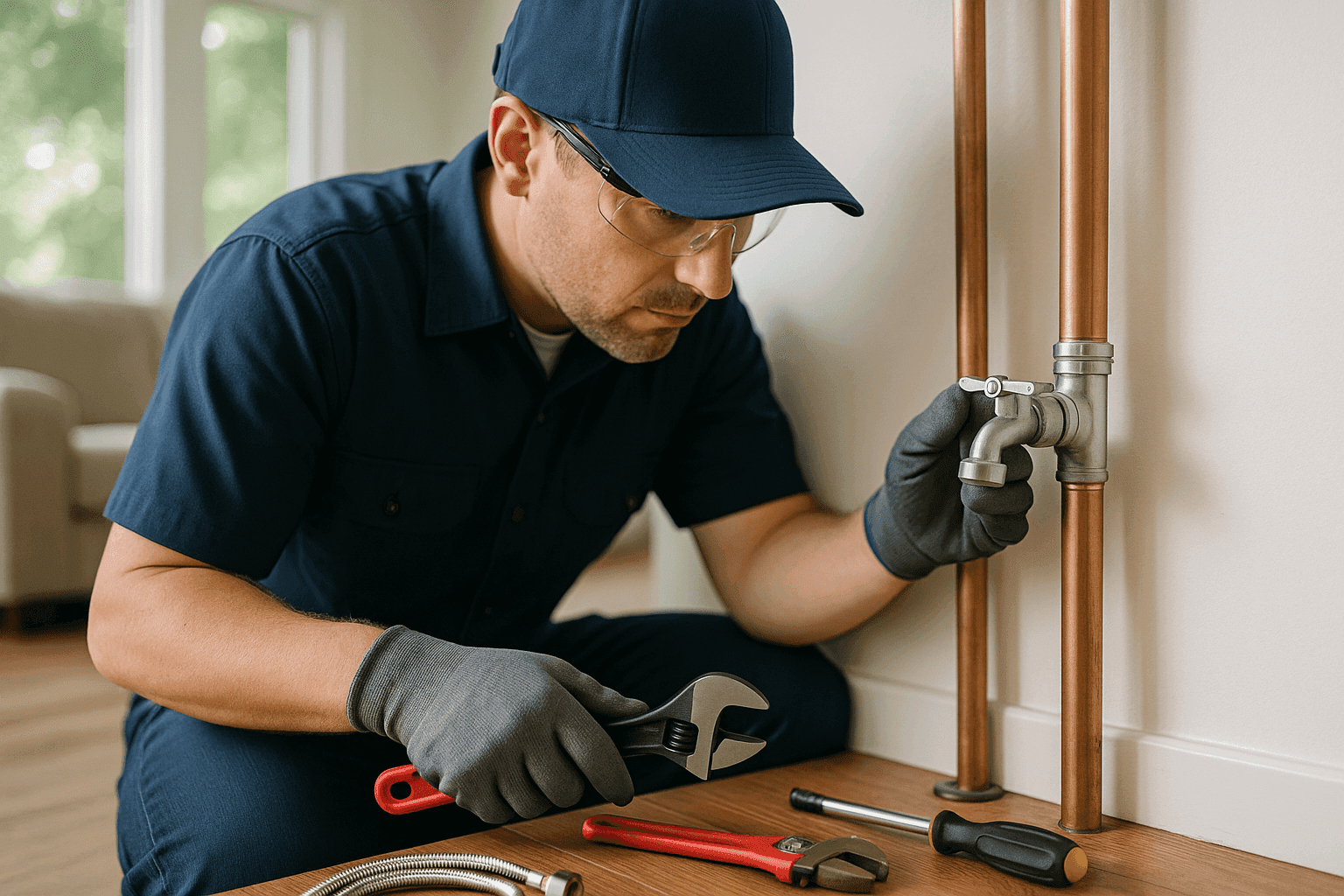
Plumbing problems never check your calendar. Pipes burst at midnight. Toilets clog during a lunch rush. Water heaters give up on the coldest morning of the year. It’s enough to make anyone anxious.
At RWB Plumbing, we understand the headaches and costs that come with plumbing disasters. That’s why we’re here to share practical, real-world advice—so you can keep your home or business running smoothly and avoid those emergency plumbing nightmares.
Why Preventative Plumbing Care Matters
Think of your plumbing like the veins in your body. If something gets blocked or leaks, the whole system suffers—and the repair can be painful. Regular maintenance is like eating your veggies and getting checkups: it keeps everything flowing and stops small issues from turning into big, expensive messes.
A little attention now can save you thousands later. It’s not just about dodging emergencies; it’s about peace of mind, uninterrupted business, and a safer, healthier property.
Common Plumbing Issues to Watch For 🚰
Plumbing issues rarely announce themselves with a trumpet. Instead, they start small—almost invisible. Here’s what to keep an eye out for:
- Leaky Faucets & Pipes: That drip-drip-drip is more than annoying. Over time, it can waste hundreds of gallons of water and lead to hidden mold or rot.
- Slow or Clogged Drains: A sink that empties slower than molasses is a warning sign. Hair, grease, and debris can build up quietly until one day nothing moves.
- Running Toilets: If your toilet keeps running, it’s not training for a marathon. It’s probably leaking internally, wasting water and raising your bill.
- Low Water Pressure: A shower that feels like a mist instead of a downpour can signal pipe corrosion, mineral build-up, or even hidden leaks.
- Unusual Noises: Banging, gurgling, or whistling pipes? Those sounds are your plumbing’s way of crying for help.
- Water Heater Trouble: Lukewarm water, strange noises, or rusty stains on your fixtures? Your water heater may be on its last legs.
Spotting these early is half the battle. The other half is knowing what to do next.
Seasonal Plumbing Maintenance Checklist
Changing seasons bring new plumbing challenges. Here’s how to stay ahead, no matter the weather:
Spring
- Check for leaks under sinks and around appliances.
- Inspect outdoor hoses and faucets for winter damage.
- Clean gutters and downspouts to prevent water backup.
- Test your sump pump before the rainy season hits.
Summer
- Look for signs of slow drains as roots seek water in dry soil.
- Inspect exposed pipes for condensation or sweating.
- Schedule backflow testing, especially if you have irrigation systems.
Fall
- Disconnect and drain outdoor hoses.
- Insulate exposed pipes to prepare for colder temperatures.
- Check water heater for sediment build-up—flush if needed.
- Ensure your boiler is serviced and ready for winter.
Winter
- Let faucets drip during extreme cold to prevent freezing.
- Open cabinet doors to let warm air reach pipes.
- Monitor water pressure—sudden drops could mean a frozen or burst pipe.
- Test emergency shut-off valves so you’re ready if something goes wrong.
Staying on top of these tasks can keep your plumbing in top shape all year.
DIY Maintenance Tips vs. When to Call a Professional
Some plumbing care is as simple as changing a lightbulb. Other times, it’s like rewiring your house—best left to the pros.
What You Can Do Yourself
- Clear minor clogs: Use a plunger or drain snake for slow drains.
- Check for visible leaks: Tighten loose fittings under sinks.
- Clean faucet aerators: Unscrew and rinse to restore water flow.
- Test sump pump: Pour water in the pit and make sure it kicks on.
When It’s Time to Call RWB Plumbing
- Persistent leaks: If tightening doesn’t help, the problem may be deeper.
- Major clogs: Chemical drain cleaners can damage pipes. If plunging fails, call us.
- Water heater problems: Repairs can be dangerous and void warranties.
- Gas line issues: Always leave gas repairs to certified professionals.
- Backflow or sewer smells: These can signal serious health risks.
Our licensed technicians are available 24/7 for emergencies and routine maintenance alike. We’re here when you need a hand—or a wrench.
Benefits of Regular Leak Detection and Backflow Testing
Leak detection and backflow testing aren’t just boxes to check. They’re essential for safety and compliance.
Leak Detection
Hidden leaks can rot wood, invite mold, and destroy insulation. Modern leak detection uses specialized tools—like acoustic sensors and infrared cameras—to find problems before they become disasters. According to the International Association of Certified Home Inspectors, undetected leaks are a leading cause of costly home repairs.
Backflow Testing
Backflow happens when dirty water reverses direction and contaminates clean water lines. Regular testing is required by plumbing codes in many areas, especially for commercial properties and those with irrigation systems. The Environmental Protection Agency recommends annual backflow prevention device testing to protect public health.
Staying on top of these services keeps your water safe—and your property up to code.
How RWB Plumbing Supports Long-Term Plumbing Health 🛠️
At RWB Plumbing, our mission is simple: keep your plumbing reliable, efficient, and safe. Here’s how we help homeowners and small businesses maintain peace of mind:
- Licensed, Experienced Technicians: Our team handles everything from routine inspections to complex repairs.
- 24/7 Emergency Plumbing: Plumbing disasters don’t wait. We’re always ready to respond, day or night.
- Preventative Maintenance Plans: Regular checkups catch small issues before they escalate.
- Nationwide Service: No matter where you are, we bring the same level of professionalism and care.
- Transparent Communication: We explain what we find, what needs fixing, and why—so you’re always in control.
We treat your property like our own, using quality materials and proven techniques to extend the life of your plumbing system.
Practical Tips to Keep Your Plumbing in Shape
- Don’t pour grease down the drain—it solidifies and causes blockages.
- Use drain screens to catch hair and debris in sinks and showers.
- Run cold water when using the garbage disposal to keep blades sharp and pipes clear.
- Know where your main water shut-off valve is located in case of emergencies.
- Schedule annual inspections for water heaters, boilers, and backflow devices.
A little prevention goes a long way. Think of maintenance as insurance against the unexpected.
Spotting Early Warning Signs of Plumbing Failure
Early detection is your best defense. Watch for:
- Unexplained spikes in your water bill.
- Damp spots or discoloration on walls, ceilings, or floors.
- Musty odors near plumbing fixtures.
- Gurgling sounds from drains or toilets.
- Water pooling in the yard above buried pipes.
If you notice any of these, don’t wait. Addressing issues early can prevent major headaches down the line.
Frequently Asked Questions
How often should I schedule plumbing maintenance?
Most experts, including the International Code Council, recommend a professional inspection at least once a year. If you have older plumbing or run a business, consider semi-annual checkups.
Can I use chemical drain cleaners for clogs?
It’s best to avoid them. Chemical cleaners can corrode pipes and harm the environment. Mechanical methods (like plungers or snakes) are safer. For stubborn clogs, call a professional.
What’s the risk of ignoring a small leak?
Small leaks rarely stay small. Over time, they can cause structural damage, encourage mold growth, and lead to expensive repairs. Fix leaks as soon as you spot them.
Is backflow testing really necessary?
Yes. Backflow can contaminate your drinking water with chemicals or bacteria. Regular testing is required for many properties and is a key part of safe, compliant plumbing.
Schedule Routine Inspections for Year-Round Peace of Mind
Plumbing disasters don’t have to be part of your story. With a little regular care—and a reliable partner like RWB Plumbing—you can keep your home or business safe, efficient, and stress-free.
Call RWB Plumbing now — or reach us anytime at 877-409-5028 .