Seasonal Plumbing Checklist: Prepare Your Home for Winter and Summer
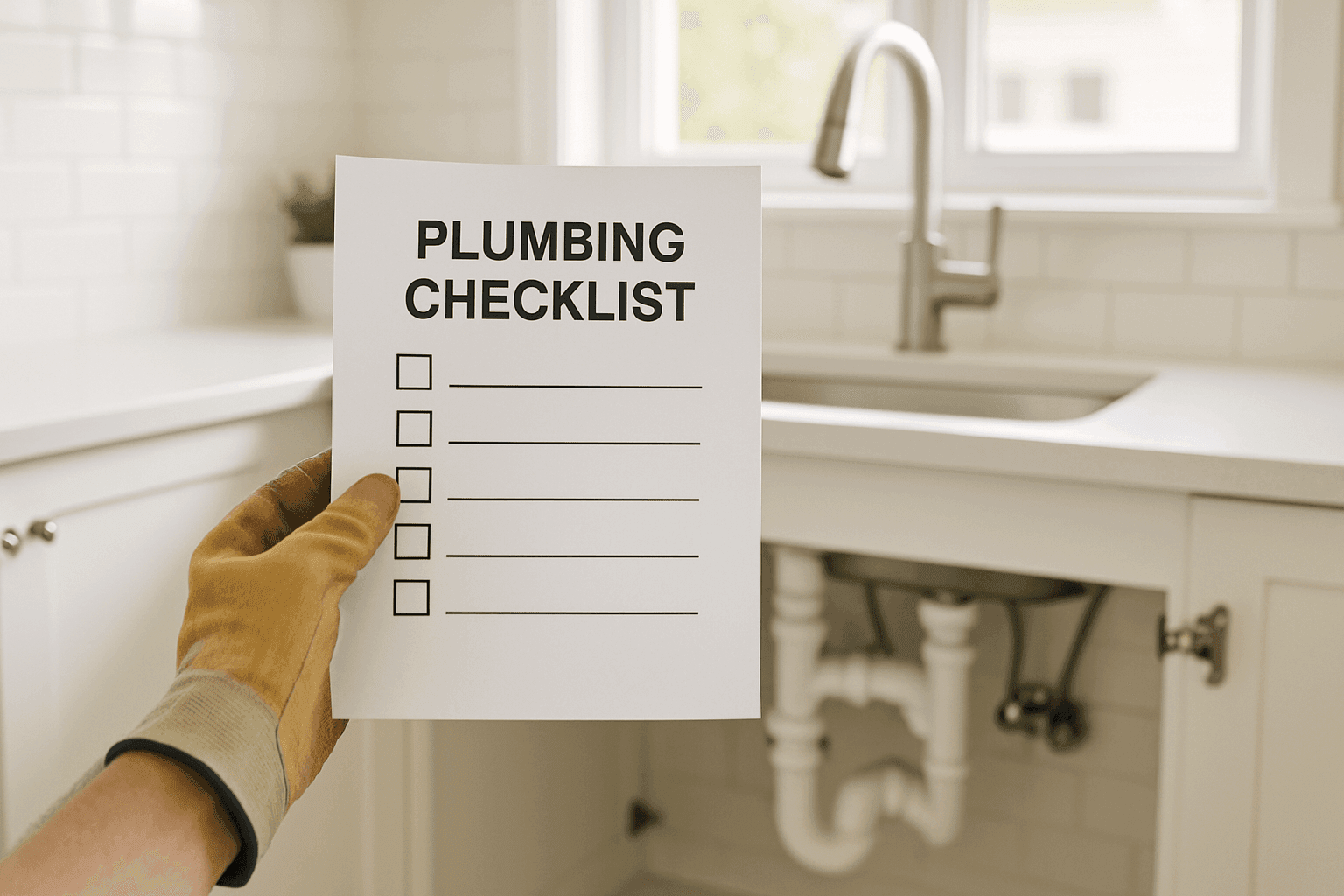
The weather outside is unpredictable. But inside? You want peace of mind. When a cold snap sneaks in or summer storms hit, your plumbing shouldn’t be a wild card. That’s where a seasonal game plan pays off.
At RWB Plumbing, we’ve helped families sidestep frozen pipes, flooded basements, and mid-July water heater meltdowns. Our seasonal checklist is built from real emergencies we’ve solved and the simple steps that could have prevented them. Let’s get your home ready for anything.
Why Seasonal Plumbing Prep Matters 🏠
A home’s plumbing is a bit like your favorite winter coat or trusty umbrella—taken for granted until the day you really need it. Skipping seasonal prep is like forgetting to zip up before a snowstorm. The result? Water leaks, sky-high repair bills, or even a midnight emergency plumbing call.
Here’s what’s on the line:
- Preventing burst pipes during sudden freezes
- Avoiding clogs and backups after heavy summer rains
- Reducing the risk of gas leaks or water heater failures
- Having hot water, safe drinking water, and working drains—no matter the season
With a little planning, you can keep your pipes and fixtures running strong.
Your Quick Safety Checklist
Let’s kick off with the essentials. These steps are your home’s first line of defense—before winter’s chill or summer’s downpours.
Winter:
- Insulate exposed pipes in basements, attics, and crawlspaces
- Shut off and drain outdoor faucets and hoses
- Test your sump pump (pour in water, watch it run)
- Check water heater for signs of rust or leaks
- Seal up gaps near pipes with caulk or foam
- Know where your main water shutoff valve is
Summer:
- Clean gutters and downspouts for storm readiness
- Book drain cleaning to prevent backups
- Flush your water heater to remove sediment
- Inspect for slow leaks under sinks and behind toilets
- Check sump pump discharge and backup battery
- Examine sewer line caps and cleanouts
Print this list. Stick it to the fridge. Tackle each box as the seasons shift.
Room-by-Room: What to Check and When
Kitchen
- Winter: Insulate pipes under sinks. Run a trickle of water on freezing nights. Inspect garbage disposal and dishwasher lines for leaks.
- Summer: Clean and sharpen garbage disposal blades with ice cubes. Look for signs of mold or moisture under the sink. Check supply lines for cracks.
Bathroom 🚿
- Winter: Let faucets drip on extra-cold nights. Open cabinet doors to let warm air reach pipes. Insulate pipes near exterior walls.
- Summer: Check for slow drains—hair and soap buildup spike in warmer months. Tighten loose fixtures. Inspect toilet bases for leaks.
Laundry Room
- Winter: Insulate washer hoses. Keep the room above 55°F to avoid frozen supply lines.
- Summer: Clean lint traps and inspect hoses for bulges. Consider stainless steel replacements.
Basement
- Winter: Inspect sump pump. Test battery backup. Wrap any exposed pipes.
- Summer: Check for standing water or condensation. Ensure floor drains are clear.
Outdoor Areas 🌳
- Winter: Disconnect hoses. Cover hose bibs with insulated covers.
- Summer: Inspect irrigation system for leaks. Ensure proper drainage away from foundation.
Storms and Freezes: Extra-Critical Steps
Storms and freezes test every weak spot in your plumbing. One missed step can mean a soaked basement or burst pipe.
For freezing weather:
- Keep garage doors closed to protect pipes along walls.
- If you travel, set your thermostat no lower than 55°F.
- Ask a friend or neighbor to check your home if you’ll be gone.
For storms:
- Test your sump pump before heavy rain.
- Clear debris from window wells and storm drains.
- Consider a battery-powered backup pump.
The American Red Cross recommends proactive pipe insulation and regular sump pump checks for severe weather. These small steps mean you’re not left mopping up after the fact.
DIY vs. When to Call a Pro
Some jobs are a wrench-and-bucket affair. Others? Best left to those who do it every day.
Tackle yourself:
- Insulating pipes
- Draining hose bibs
- Minor drain cleaning (plunger or snake)
- Checking for visible leaks
Call RWB Plumbing for:
- Water Heater Repair near you (especially for gas or tankless units)
- Gas safety checks and gas line repairs
- Persistent leaks or water stains
- Sewer line inspection or repair
- Sump pump repair and installation
- Emergency plumbing situations
If you’re ever unsure—especially with gas, electrical, or main water lines—don’t risk it. Safety comes first.
What Happens When the Pros Arrive
When RWB Plumbing arrives, we don’t just fix the problem. We look for the cause and the cure.
Here’s what to expect:
- Full inspection of visible and hidden plumbing
- Pressure testing for leaks
- Infrared cameras for leak detection
- Water heater safety checks
- Sump pump function test
- Written findings and recommendations
We work according to national and local plumbing codes, like those from the International Association of Plumbing and Mechanical Officials (IAPMO) and the National Fire Protection Association (NFPA) for gas safety.
Prevention & Maintenance Plans
A little care today means fewer headaches tomorrow. RWB Plumbing’s seasonal service plans are designed to catch issues before they become emergencies.
What’s included:
- Scheduled inspections before winter and summer
- Priority leak detection
- Boiler and water heater maintenance
- Discounted rates for emergency plumbing
- Annual backflow testing
Think of it as a health checkup for your pipes. Regular checks catch the small stuff—before it turns into a big, expensive surprise.
Costs & Time Factors
Plumbing emergencies don’t always strike at a convenient hour—or an easy price. Preparation is always less expensive than a repair.
- Pipe insulation: Low cost, quick DIY project (often under an hour).
- Drain cleaning: Home fixes take 15–30 minutes; professional service takes about an hour.
- Water heater flush: 30–60 minutes for basic models.
- Sump pump check: 15 minutes to test, longer if replacement is needed.
- Emergency repairs: Timing and cost depend on the problem—nights, weekends, and holidays may add to the bill.
Preventative service is almost always faster, safer, and easier on your wallet than a middle-of-the-night call.
When It’s an Emergency
How do you know it’s time to call for emergency plumbing?
- No water, or water where it shouldn’t be (flooding)
- Burst pipe, especially in cold weather
- Sewer backup or multiple clogged drains
- Gas smell or suspected leak
- Water heater leaking or making strange noises
If you’re facing any of these, don’t wait. Shut off the main water valve (and gas, if needed). Then call RWB Plumbing immediately.
FAQ: Seasonal Plumbing Questions
Q: How do I find my main shutoff valve?
A: Look where the water line enters your home—often in basements, crawlspaces, or utility closets. Tag it for easy access.
Q: How often should I flush my water heater?
A: Once a year is ideal, especially before summer. Sediment can lower efficiency and shorten its life.
Q: Is pipe insulation really worth it?
A: Yes. It’s one of the cheapest ways to prevent costly winter burst pipes.
Q: What can I do if my pipes freeze?
A: Turn off the main water supply. Open faucets to relieve pressure. Gently warm frozen sections with a hairdryer—never open flame. Call for help if a pipe bursts.
Local and Seasonal Considerations
Every home is different. Age, layout, and region shape your priorities.
- Older homes may need repiping or new shutoff valves.
- Areas with frequent storms should prioritize sump pump checks.
- If your home has a basement, backflow prevention is essential.
- In drought-prone regions, check for hidden leaks and consider water filtration systems.
- If you travel for the holidays, winterize your plumbing before you go.
Keep an eye on local weather alerts and follow recommendations from FEMA and your local public works department for seasonal prep.
Ready for Anything? Download and Print Your Checklist
Here’s your action list for the fridge or toolbox:
Winter Prep:
- [ ] Insulate pipes
- [ ] Drain and shut off outdoor faucets
- [ ] Test sump pump
- [ ] Check water heater
- [ ] Seal pipe gaps
- [ ] Locate main shutoff
Summer Prep:
- [ ] Clean gutters/drains
- [ ] Book drain cleaning
- [ ] Flush water heater
- [ ] Check for leaks
- [ ] Inspect sump pump/battery
- [ ] Check sewer caps
Check off each item as the seasons change. You’ll sleep easier—no matter what the forecast says.
When it comes to emergencies, quick thinking and the right checklist make all the difference. For everything else, call in the team who’s ready 24/7.
Call RWB Plumbing now — or reach us anytime at 877-409-5028 .