Sewer Line Installation: Planning, Permits, and Process
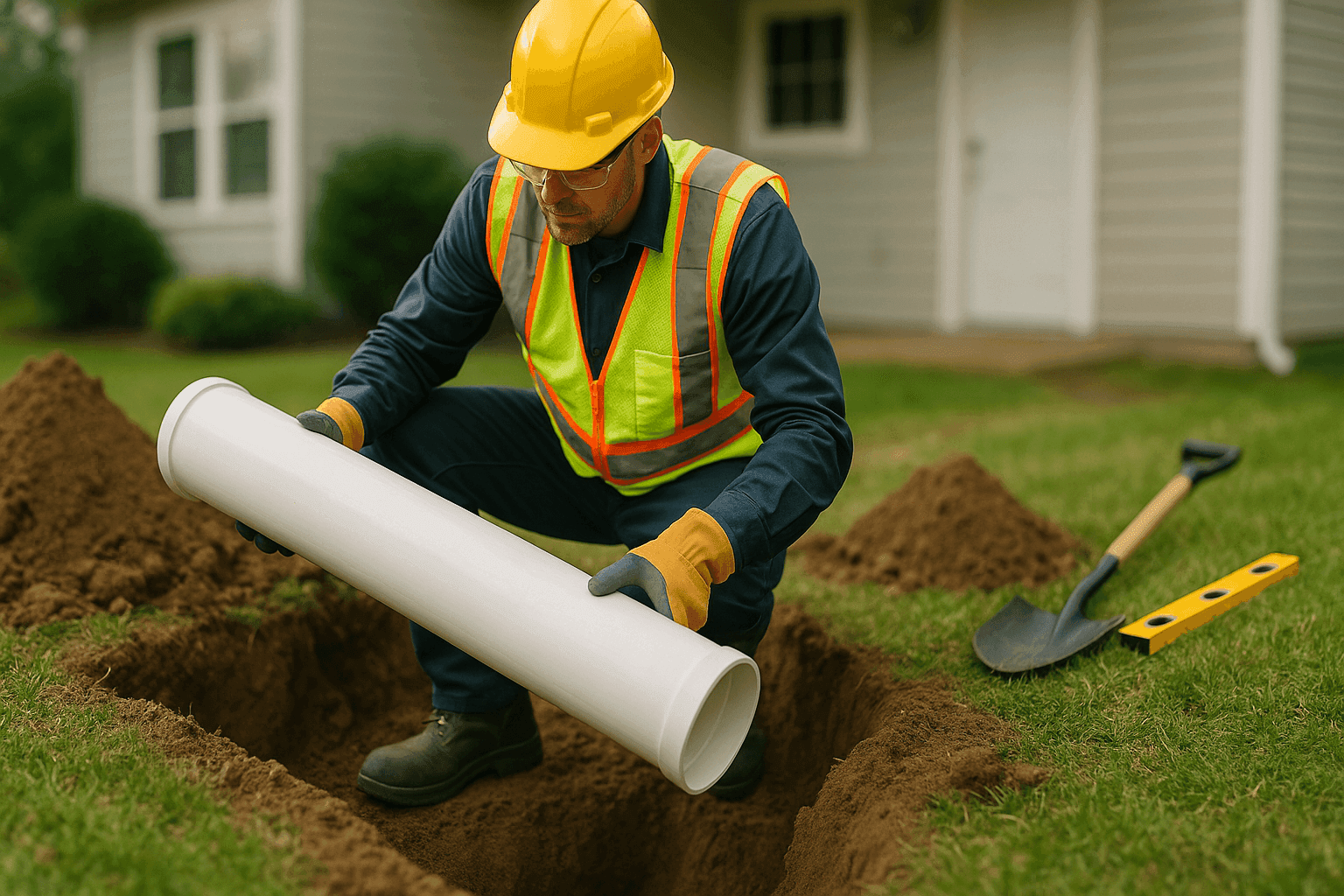
When water bubbles up from the basement drain or a backyard turns swampy, the panic is real. Sewer line trouble isn’t just a mess—it can grind life to a halt.
At RWB Plumbing, we understand what it feels like to face a plumbing emergency, and we know how confusing sewer line installation can seem. Here’s a plain-language guide to the planning, permits, and process—so you know exactly what to expect.
When Is a New Sewer Line Needed? 🚧
Sewer lines are like the arteries of your home: silent when healthy, alarming when something goes wrong. Sometimes, a simple patch isn’t enough. Here’s when a new line might be on the horizon:
- Major remodels: Adding a bathroom, kitchen, or laundry room? New lines may be needed to handle extra flow.
- Complete pipe failure: Collapsed, broken, or heavily corroded pipes let sewage seep where it shouldn’t.
- Repeated clogs or backups: Frequent issues might signal a deeper problem that repair won’t solve.
- Tree root invasion: Roots can break and shift pipes, making replacement the only long-term fix.
- Older homes: Outdated materials like clay or Orangeburg often call for a modern upgrade.
If you’re unsure, a sewer line inspection can reveal hidden problems before they become major emergencies.
Planning for Sewer Line Installation
Installing a new sewer line is a big project—like open-heart surgery for your house. RWB Plumbing approaches each job with care and precision:
- Site evaluation: We assess property layout, existing utilities, and soil type. This helps prevent surprises.
- Pipe route design: The shortest, safest path is mapped to minimize digging and disruption.
- Material selection: Options range from PVC to cast iron. Each has its own pros and cons—think of it as choosing between a sturdy steel bridge or a flexible hose.
- Scheduling: Timing matters, especially in areas with harsh winters or rainy seasons.
Clear communication is key. You’ll know what to expect, step by step.
Permits and Local Codes 📄
You can’t just dig a trench and lay pipe. Every municipality requires permits and inspections to ensure safety and compliance. RWB Plumbing handles:
- Permit applications: We file with your local building department, so you don’t have to wrestle with paperwork.
- Inspections: City or county officials check the work at crucial stages—often before backfilling the trench.
- Code compliance: We follow standards such as the International Plumbing Code (IPC) and local ordinances. This keeps your home legal and safe.
Skipping permits isn’t worth the risk. It can lead to fines, denied insurance claims, or unsafe conditions.
The Sewer Line Installation Process
Here’s what happens, from first dig to final flush:
1. Marking and Trenching
All underground utilities are flagged—gas, water, electric. Then comes trenching. Imagine a surgeon making the first incision. The soil is carefully removed to expose the path for the new pipe.

2. Pipe Selection and Laying
Depending on the home and local requirements, options include:
- PVC: Lightweight and corrosion-resistant, popular for most homes.
- Cast iron: Heavy, quiet, and durable—often used for older or upscale properties.
- HDPE (High-Density Polyethylene): Flexible and tough, great for areas prone to ground movement.
Each section is joined carefully to prevent leaks. Connections to the main city line or septic tank are sealed tight.

3. Connections and Testing
Every connection gets checked—think of it like a doctor checking vital signs. Water is run through to ensure smooth flow and no leaks. If needed, smoke or dye tests confirm everything’s tight.

4. Backfilling and Cleanup
Once inspectors give the green light, the trench is carefully filled. RWB Plumbing restores your yard as close to its original state as possible. No one wants a moonscape for a lawn.
Quick Safety Checklist ✅
Safety isn’t just about hard hats and shovels. Here’s what every homeowner should know:
- Call 811 before digging—utilities must be marked.
- Keep children and pets away from the work area.
- Confirm all workers are licensed and insured.
- Ensure proper ventilation if work moves indoors.
- Watch for any gas smells—stop work and call emergency services if detected.
For more, check the Occupational Safety and Health Administration (OSHA) guidelines on trench safety.
DIY vs. Call a Pro
Sewer line installation isn’t like swapping out a faucet. It’s more like rewiring the circulatory system of your house. Here’s why most people call RWB Plumbing:
- Specialized equipment: Trenchers, pipe lasers, inspection cameras.
- Code knowledge: Avoiding costly mistakes that could haunt you later.
- Permit management: No headaches with city hall.
- Cleanup: No piles of dirt left behind.
Small repairs? Sometimes DIY is an option. Full installations? Best left to professionals trained in emergency plumbing.
What Pros Do On Arrival 🚚
When our team pulls up, it’s game on. Here’s the typical first hour:
- Review the project plan with you.
- Confirm utility markings and safe work zones.
- Set up safety barriers and protective mats.
- Begin careful excavation—no wild digging.
- Keep you updated if weather, soil, or surprises change the plan.
Communication is constant. You’re never left guessing.
Prevention & Maintenance
A new sewer line is an investment—think of it like getting a new roof or driveway. Keep it healthy with these tips:
- Don’t flush wipes or grease: Even “flushable” wipes can cause blockages.
- Install backflow prevention: Stops sewage from reversing direction during heavy rain.
- Annual inspections: Use cameras to spot small problems before they grow.
- Root control: Prevent trees and shrubs from invading your pipes.
The National Association of Home Builders recommends routine checks for all major plumbing systems.
Costs & Time Factors
No two jobs are alike, but here’s what can affect the final bill and timeline:
- Yard size and landscaping: More to move, more to restore.
- Depth and length of trench: Deeper and longer means more labor.
- Pipe material chosen: Some cost more, but last longer.
- Permitting delays: Some municipalities move faster than others.
- Unexpected obstacles: Rocks, roots, or old pipes can slow things down.
Typical residential jobs take anywhere from 2 days to a week. Costs can vary widely depending on the factors above. Emergency plumbing needs or after-hours work may affect the schedule.
When It’s an Emergency 🚨
Sewage backing up into the home? That’s not just unpleasant—it’s a health risk. Call for emergency plumbing immediately if you notice:
- Sewage in tubs, sinks, or basement drains.
- Persistent foul odors from drains.
- Water pooling near your foundation.
- Unexplained lush patches in the yard (a classic sign of a break).
Fast action limits damage and keeps your family safe.
FAQ
Q: How do I know if my sewer line needs full replacement?
A: Frequent backups, foul smells, and visible leaks are warning signs. A camera inspection gives a clear answer.
Q: Will my whole yard be dug up?
A: Not always. Trenching is common, but sometimes trenchless methods are possible if conditions allow.
Q: Do I need to be home during installation?
A: It helps for the first and last day, but you don’t need to watch every step.
Q: Is sewer line work covered by homeowners insurance?
A: Sometimes—especially if sudden damage is involved. It’s best to check your specific policy.
Local/Seasonal Considerations 🌦️
Weather and soil type play a role. In areas with heavy clay, digging is harder. Frozen ground adds complexity in winter. Heavy rain can slow progress or delay inspections. Planning ahead (spring and fall) often means fewer weather delays.
Ready to Talk Sewer Lines?
Whether it’s a remodel, a failed pipe, or a plumbing emergency, RWB Plumbing is ready to help. We handle the permits, guide you through every step, and leave your home clean.
Call RWB Plumbing now — or reach us anytime at 877-409-5028 .