Sewer Line Repair: Methods, Costs, and Minimizing Disruption
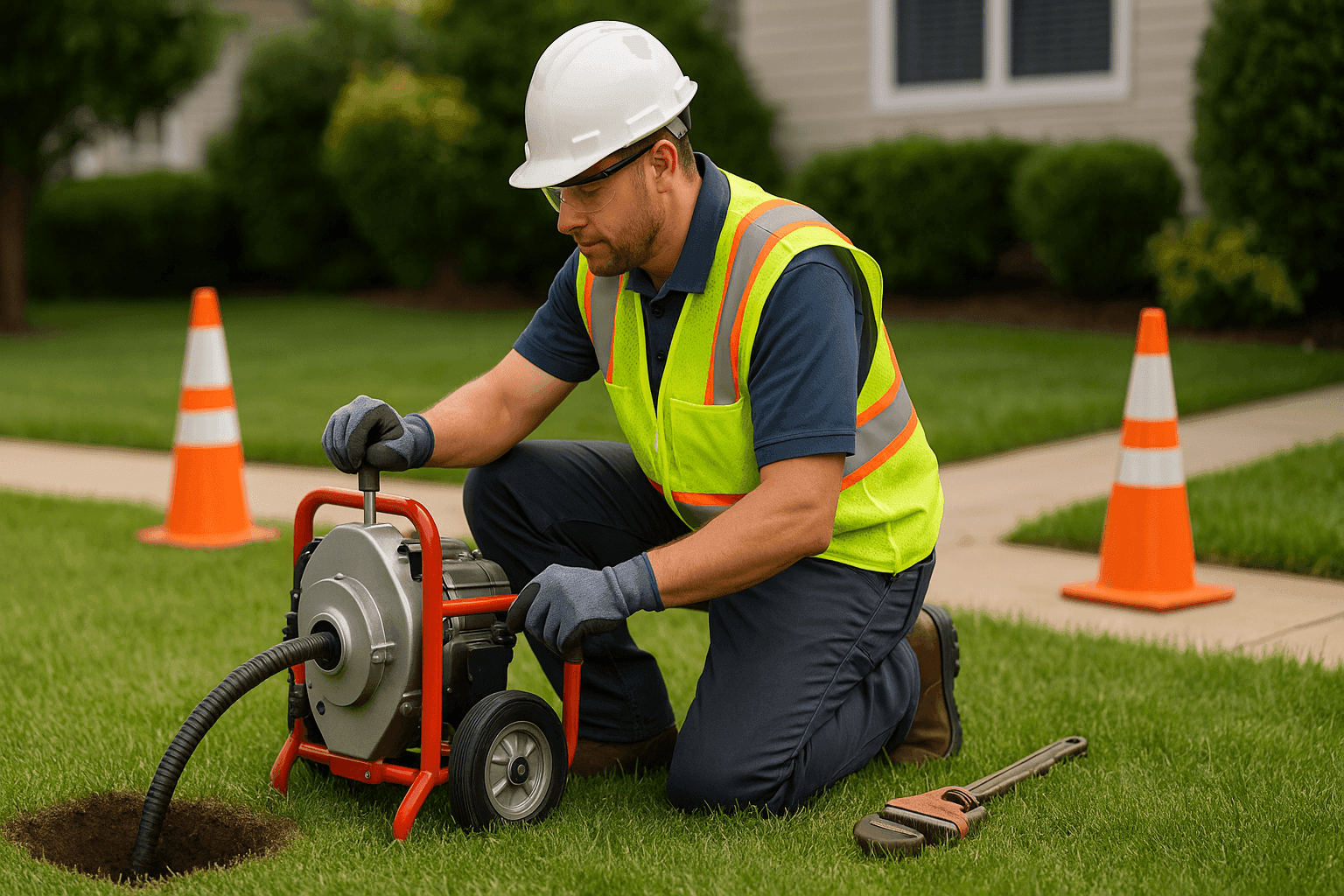
When your sewer line acts up, life doesn’t just slow down—it can grind to a halt. Backed-up drains, sudden puddles in the yard, or that unmistakable smell are signs you need help, fast. RWB Plumbing is here when those moments strike, 24/7, ready with solutions that fit your home and your peace of mind.
Whether you’re facing an all-out emergency plumbing situation or just want to understand your options, this guide lays out what happens, what it costs, and how to keep your lawn looking sharp—even when the underground isn’t.
Common Sewer Line Problems: What’s Lurking Below
Most homeowners don’t think about sewer lines… until something goes wrong. Common issues include:
- Tree roots invading pipes—Nature’s slow-motion wrecking ball.
- Corrosion or collapsed pipes—Old lines can rust, sag, or break.
- Grease and debris buildup—Over time, everyday waste forms stubborn blockages.
- Ground shifting or freezing—Seasonal changes can crack or misalign pipes.
You’ll notice symptoms like slow drains, constant clogs, gurgling toilets, or even water pooling in the yard. If it smells like a swamp after a summer rain, don’t wait.
Quick Safety Checklist 🛑
Before anyone grabs a shovel, protect your home and family:
- Shut off water at the main if sewage is backing up indoors.
- Keep kids and pets away from affected areas.
- Don’t use harsh chemicals—they can worsen pipe damage and harm the environment (see EPA recommendations).
- Ventilate—open windows if you smell gas or sewage.
- Call a licensed plumber for emergency plumbing if you suspect a gas leak or flooding.
DIY Fixes vs. Calling a Pro
Some clogs can be tackled with a plunger or hand auger. But sewer line problems? That’s like trying to patch a sunken ship with duct tape. If you notice persistent issues—multiple drains backing up, foul odors, or visible leaks—skip the DIY and call for help.
- Minor clogs: Try plungers or drain snakes for sinks and toilets.
- Major issues: Leave sewer line repairs, water heater repair, and gas line work to professionals with the right tools and training.
Remember, tampering with gas lines or main sewer pipes isn’t just risky—it’s against local building codes (see your city’s plumbing code for details).
What Professional Plumbers Do On Arrival
When RWB Plumbing shows up, we don’t start digging blindly. Here’s how we work:
- Inspection with cameras: We send a tiny video camera down the line to pinpoint the problem—no guesswork.
- Leak detection: Using acoustic tools and pressure tests, we find hidden leaks fast.
- Diagnosis: We’ll show you the footage and explain what’s happening, in plain language.
Visual: Camera Sewer Inspection

This means you see exactly what’s wrong, where it is, and what needs to be done—no surprises.
Sewer Line Repair Methods: Your Options
When it’s time to fix the problem, there’s more than one way to get the job done. Here’s what you can expect:
Traditional (Trench) Sewer Repair 🚧
The classic method. Crews dig a trench along the pipe, remove the damaged section, and install new piping.
Pros:
- Works for severe damage or collapsed lines.
- Allows full pipe replacement.
Cons:
- Major yard disruption.
- Longer repair times.
- Higher labor costs.
Trenchless Sewer Repair
Think of this as keyhole surgery for your pipes.
Methods include:
- Pipe bursting: A new pipe is pulled through the old one, breaking it apart underground.
- Pipe lining (CIPP): A special resin liner is inserted and cured in place, forming a new pipe inside the old.
Pros:
- Minimal digging—often just two small holes.
- Fast, often completed in a day.
- Preserves landscaping.
Cons:
- Not possible if the pipe has fully collapsed.
- Sometimes higher upfront material costs.
Visual: Trenchless Pipe Repair

Spot Repairs
If only a small section is damaged, we can repair just that area. This targets the problem with surgical precision—less mess, less stress.
Timelines: How Long Will It Take?
Every home is different, but here’s a general idea:
- Traditional trench repair: 2–5 days, depending on length and complexity.
- Trenchless methods: 1–2 days, sometimes less for short runs.
- Spot repairs: Often same-day or next-day.
Weather, pipe depth, and access can all affect timing.
Cost Breakdown: What Should You Expect?
Plumbing repairs don’t come with a one-size-fits-all price tag. Here’s what factors in:
- Method used: Trenchless can be more up front, but may save on landscaping costs.
- Length of pipe replaced: More pipe, higher cost.
- Depth and accessibility: Deeper pipes mean more digging.
- Local permit requirements: Some areas require specific inspections or fees.
General ranges:
- Spot repairs: Lowest cost, especially for shallow lines.
- Trenchless repairs: Moderate to high, but minimal yard repair needed.
- Full replacement (trench): Highest, especially with hardscape or mature landscaping.
At RWB Plumbing, we believe in no-surprise pricing. You’ll get a clear, written breakdown before work starts—and we always clean up after ourselves.
Minimizing Disruption and Protecting Your Yard 🌱
Worried about your prize-winning roses or that perfect patch of grass? Here’s how we help keep your landscaping intact:
- Trenchless repairs: The best choice for minimal lawn damage.
- Pre-job planning: We map out utility lines and landscaping before starting.
- Protective barriers: Boards and tarps shield walkways and plants.
- Careful backfilling: We restore soil and reseed grass whenever possible.
You can help by marking special plants or irrigation lines ahead of time. It’s teamwork—your yard, our expertise.
Prevention & Maintenance: Keep Problems at Bay
After your sewer line is fixed, a few smart habits go a long way:
- Don’t flush wipes or grease—even “flushable” wipes can clog pipes.
- Schedule regular drain cleaning—especially if you have older pipes or large trees nearby.
- Annual inspections: A camera check once a year spots issues before they grow.
- Know your main shut-off location—it’s as important as your front door key.
The National Association of Home Builders (NAHB) recommends routine plumbing checks for homes over 30 years old.
When It’s an Emergency
Sewage flowing where it shouldn’t? Water pouring into your basement? That’s not just inconvenient—it’s a health hazard.
- Shut off water immediately if safe.
- Call an emergency plumbing team like RWB Plumbing 24/7.
- Don’t handle raw sewage—leave cleanup to pros with the right gear.
Remember, quick action can limit damage and lower repair costs.
Frequently Asked Questions
How do I know if my sewer line is broken?
Look for slow drains in multiple locations, frequent backups, lush patches of grass, or a persistent foul odor outside. If in doubt, a camera inspection gives clear answers.
Will my whole yard be dug up?
Not always. Trenchless methods can repair pipes with just a couple of small access points, protecting most of your landscaping.
What about permits and local codes?
RWB Plumbing handles all permit requirements and follows current plumbing codes (refer to your municipal building department for specifics).
How do I prepare my property for repair?
Clear access to affected areas, mark any special plants or irrigation, and secure pets. We’ll handle the rest.
Local and Seasonal Considerations
Heavy rain or freezing winters can stress sewer lines. In older neighborhoods or places with shifting soil, it’s wise to schedule preventative maintenance before peak storm or freeze seasons. Ask about water heater repair near you and other seasonal services to keep your whole plumbing system ready.
When sewer trouble strikes, you don’t have to face it alone. RWB Plumbing is ready day or night to get your home flowing smoothly again—with clear options, no-surprise pricing, and respect for your property.
Call RWB Plumbing now — or reach us anytime at 877-409-5028 .