Sink Repair: Fixing Leaks, Clogs, and Drips
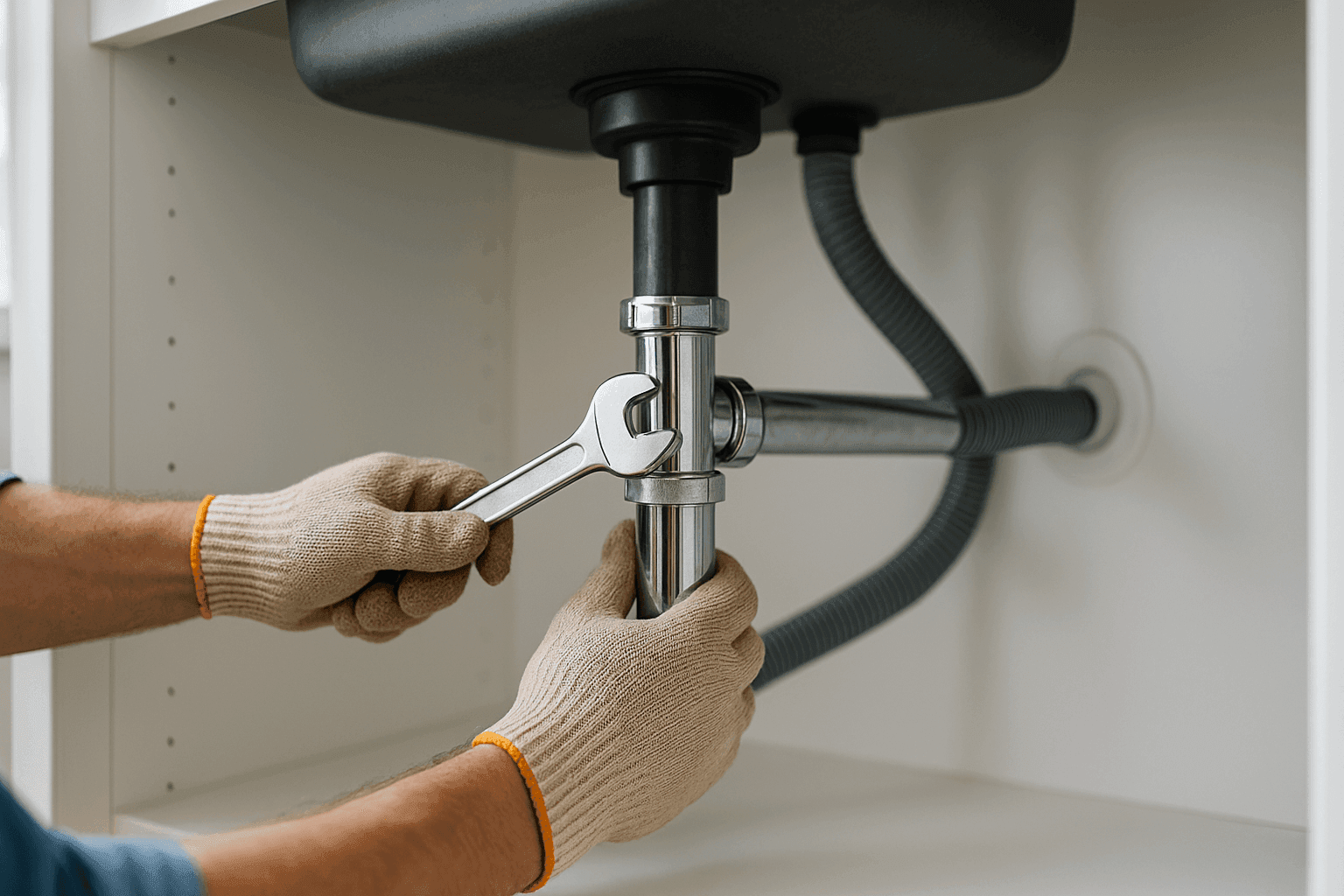
Is your sink acting up? Maybe it’s leaking underneath. Or the water drains slower than a lazy river. Small problems like these can quickly snowball into big headaches. At RWB Plumbing, we know how fast a minor drip can turn into a full-blown emergency plumbing call.
We’re here to help you break down common sink issues, understand what you can handle, and know when it’s time for backup. Let’s roll up our sleeves and get to the bottom of those drips, leaks, and clogs.
Anatomy of a Sink: What’s Under the Hood
Before you jump in, it helps to know what you’re looking at. A typical sink setup is a bit like a puzzle. Here’s what you’ll usually find under the basin:
- Faucet (with handles/controls)
- Sink basin (the bowl)
- Drain (where water exits)
- P-Trap (the curved pipe underneath)
- Water supply lines (hot and cold)
- Shutoff valves
- Garbage disposal (sometimes)
- Overflow tube (in some bathroom sinks)
- Mounting hardware
Imagine your sink as a busy intersection. Water flows in, does its job, and leaves—unless something gets in the way.

Leaks Under the Sink: Sneaky Drips and Puddles 💧
You spot water pooling under the cabinet. Maybe it's a slow, silent leak—or a mini waterfall. Here’s how to track it down and tackle it:
Step-by-Step: Finding and Fixing Leaks
- Clear out the cabinet. Give yourself space.
- Dry everything off. Use a towel so you can spot new drips.
- Turn on the water. Watch closely—where does the water come from?
- From supply lines: Check the connections at both ends.
- From the P-trap: Look for cracks or loose joints.
- From the drain or basin: Check the gasket or rubber seals.
Tightening Connections
- Use an adjustable wrench, but don’t overtighten. Gentle snug is best.
- For threaded connections, a little plumber’s tape can help seal.
When to Replace
- Cracked pipes or rusted fittings? These need replacing.
- Worn gaskets or washers? Swap for new ones (take the old one to the hardware store to match size).
What If It Still Leaks?
Persistent leaks, especially at joints or behind walls, can signal deeper issues—like corroded pipes or water pressure problems. That’s where RWB Plumbing steps in.
Clogs and Slow Drains: When Water Won’t Budge 🚰
Standing water in the sink? Gurgling sounds? That’s a clog brewing.
Step-by-Step: Clearing Basic Sink Clogs
- Remove visible debris. Food, hair, or soap scum can pile up.
- Plunge gently. Use a sink plunger (not the toilet kind). Cover overflow holes for best suction.
- Try a baking soda & vinegar flush. Pour 1/2 cup baking soda, then 1 cup vinegar. Wait 10 minutes. Flush with hot water.
- Check the P-trap. Place a bucket underneath. Unscrew the trap, clear out gunk, and reassemble.
What to Avoid
- Chemical drain cleaners: They can eat pipes and harm the environment.
- Wire coat hangers: These can scratch and damage pipes.
Still Stuck?
If water backs up in multiple fixtures, the clog might be deeper in the line. That’s a job for a plumber with the right tools.
Dripping Faucets: The Annoying Money-Waster 🛠️
A steady drip isn’t just noise—it can waste gallons a day. Here’s how to stop it:
Step-by-Step: Fixing a Dripping Faucet
- Shut off the water. Use the valves under the sink.
- Plug the drain. Small parts can fall in.
- Remove the faucet handle. Usually, there’s a screw under a cap.
- Disassemble the faucet. Take note of the order—snap a picture if needed.
- Check washers and O-rings. These are the usual suspects.
- Replace worn parts. Reassemble in reverse order.
Cartridge Faucets
Some faucets use cartridges instead of washers. Take the old one to the store for a match, or call a plumber if things get dicey.
Quick Safety Checklist Before You Start
- Turn off the water supply before any repair.
- Unplug nearby appliances (like a garbage disposal).
- Wear gloves and eye protection—you never know what’s lurking.
- Use a flashlight for tight spots.
- Keep a bucket handy for spills.
- Know your limits—if you smell gas, see sparks, or find mold, step away.
Refer to the International Association of Certified Home Inspectors (InterNACHI) for best practices on home plumbing safety.
DIY Fixes vs. Calling for Backup
Many sink annoyances are like stubborn weeds: easy to pull if you catch them early. But some problems hide deeper in the soil.
Tackle Yourself:
- Dripping faucets
- Loose supply lines
- Minor clogs in the P-trap
Call RWB Plumbing For:
- Leaks inside walls or under floors
- Recurring clogs or sewer smells
- Signs of mold or water damage
- Gas odors or corroded pipes
- Anything you’re not 100% comfortable handling
A good rule: If you need a special tool or can’t get things apart easily, it’s time for a professional.
What Pros Do On Arrival
When RWB Plumbing arrives, you get more than just a toolbox.
- Inspection: We trace the source—sometimes with moisture meters or cameras.
- Testing: Pressure, drainage, and fixture checks.
- Repair or replace: Pipes, traps, or fittings as needed.
- Cleanup: We tidy up the workspace.
- Advice: Tips to prevent future trouble.
Our team is trained in local codes and safety standards, following guidelines set by the International Plumbing Code (IPC).
Prevention & Maintenance: Sink Care 101
An ounce of prevention beats a pound of repair. Here’s how to keep your sink happy:
- Clean strainers weekly. Catch hair, food, and debris.
- Flush drains monthly. Hot water, baking soda, and vinegar work wonders.
- Check supply lines and shutoffs. Look for rust or moisture.
- Watch for slow drains. Early action means easier fixes.
- Don’t pour grease or coffee grounds down the sink—they’re clog magnets.
- Test for leaks after heavy use or seasonal changes.
A regular plumbing checkup, like you’d do for your car, can save major headaches down the road.
Costs & Time Factors: What to Expect
Plumbing repairs range from a quick tune-up to more involved fixes. Here’s what shapes the timeline and cost:
- Type of problem: Dripping faucet = fast; hidden leak = more involved.
- Parts needed: Some repairs only need a washer, others a new pipe.
- Access: Hard-to-reach pipes or tight cabinets can take longer.
- Emergency plumbing: After-hours or urgent calls may cost more but stop damage faster.
Most minor repairs take 30–90 minutes. Bigger jobs can stretch longer, especially if walls or floors must come up.
When It’s an Emergency
Some sink problems just can’t wait:
- Major leaks or flooding
- Water won’t shut off
- Sewer smells or backups
- Gas odors near the sink
If you’re mopping up water, hearing hissing, or worried about your safety, call for emergency plumbing. Fast action can save your home from bigger damage.
FAQ: Sink Repair Straight Talk
How do I know if my sink leak is serious?
If the water keeps leaking after tightening connections, or if you see water stains or mold, it’s time to call for help.
Why does my sink keep clogging?
Build-up from grease, soap, hair, or foreign objects can cause recurring clogs. Sometimes, the problem is deeper in the line.
Is it safe to use chemical drain cleaners?
It’s best to avoid them. They can damage pipes and harm the environment. Try natural methods or call a plumber.
Can I fix a slow drain myself?
Yes, in many cases. Try removing debris, plunging, or cleaning the P-trap. If it’s still slow, you may need professional help.
Local & Seasonal Considerations
In colder months, pipes under sinks can freeze and crack—especially in older homes. If you live where winters bite, leave cabinet doors open on cold nights and let faucets drip to prevent freezing. In humid areas, check for mold or musty smells. Seasonal changes in water pressure sometimes signal hidden leaks or municipal issues—stay alert.

Sink trouble won’t wait for a convenient time. Whether it’s a midnight leak, a slow drain, or a faucet that just won’t quit dripping, you need reliable help—fast. If you’re ready to hand off the wrench, RWB Plumbing is here 24/7.
Call RWB Plumbing now — or reach us anytime at 877-409-5028 .