Sump Pump Repair and Maintenance for a Dry Basement
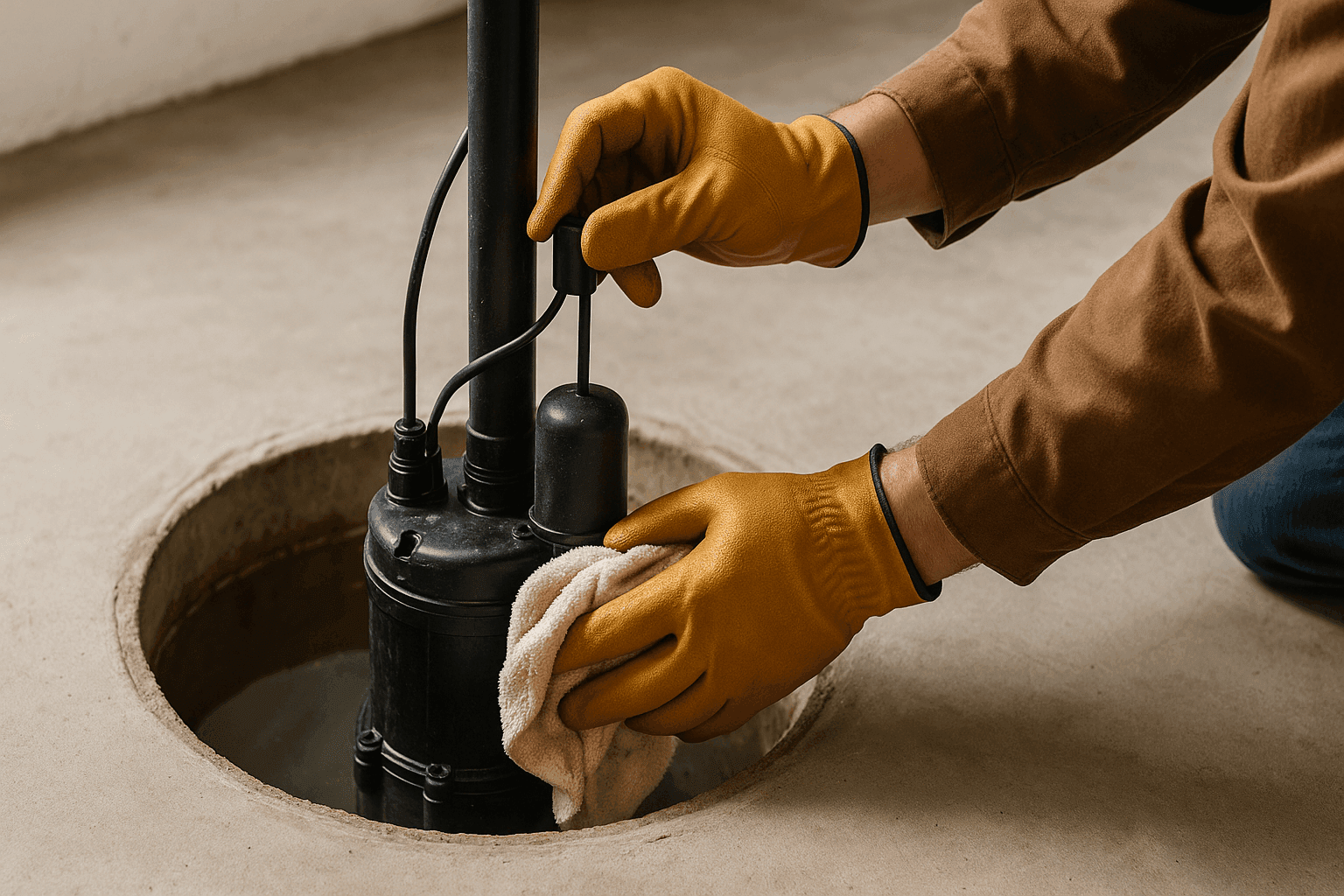
Basement flooding doesn’t just ruin your weekend. It destroys memories, damages walls, and soaks your wallet. At RWB Plumbing, we’ve seen the heartbreak that comes when a sump pump fails—right when you need it most.
If you’ve ever had to wring out a box of family photos or replace warped floorboards, you understand the stakes. Good news: a working sump pump is your best defense against nature’s worst moods. Let’s dig into how you can keep yours running strong, spot problems early, and know when to call for emergency plumbing help.
How Sump Pumps Keep Your Basement Dry
Think of your sump pump as the goalie in your basement. Its job? Kick water out before it scores a soggy goal. After big storms, snowmelt, or even just a forgotten hose left running near the foundation, groundwater sneaks in. The sump pit collects it, and the pump sends it safely away from your home.
When the pump fails, water has free rein—seeping into carpets, drywall, or anything stored on the floor. Maintaining your sump pump is like locking the back door before a storm.
Common Sump Pump Problems and What They Mean 🛑
Noisy, silent, or just plain stubborn, sump pumps have a few common ways to ask for help. Here’s what to look out for:
Sump Pump Won’t Turn On
- Power Outage: Check the breaker first. Storms often knock out power.
- Float Switch Stuck: The float is like a light switch for your pump. If it’s jammed, nothing happens.
- Clogged Intake: Dirt and debris can block the pump.
Sump Pump Runs Constantly
- Stuck Float: If the float is stuck in the “on” position, your pump works overtime and wears out fast.
- Check Valve Failure: Water keeps flowing back, so the pump never rests.
- Heavy Groundwater: High water tables after heavy rain can mean the pump’s just doing its job—but nonstop running may signal a sizing problem.
Sump Pump Is Noisy
- Vibrations: Rattling pipes or loose mounts.
- Worn Parts: Bearings or impeller issues.
- Airlocks: Gurgling can mean air is trapped.
If your pump is showing these symptoms, don’t ignore them. The next storm could be the one that finds the weak link.
Quick Sump Pump Safety Checklist
Before you do anything, make sure you’re working safely:
- Unplug the pump before touching or cleaning it.
- Keep hands clear of moving parts.
- Use a flashlight—never work in the dark or with wet hands.
- Avoid standing water if outlets or cords are submerged (call for emergency plumbing).
- If you smell gas, leave the area and call for help.
Fix It Yourself—or Call a Pro?
Some sump pump hiccups are as easy to fix as a flipped switch. Others need the tools and know-how of a seasoned plumber. Here’s how to decide:
Simple DIY Fixes
- Reset the breaker if the pump lost power.
- Clear debris from the pit and intake screen.
- Adjust the float: Make sure it moves freely up and down.

- Test the pump: Pour a bucket of water into the pit. The float should rise and start the pump.
When to Call for Help
- The pump smells burnt or won’t run after resets.
- Water won’t leave the pit, even with the pump running.
- You see sparks or hear grinding sounds.
- Flooding has already started.
- You’re not comfortable working with electricity or standing water.
Remember, RWB Plumbing is available for emergency plumbing 24/7—because water doesn’t wait until business hours.
What RWB Plumbing Pros Do On Arrival
When our team responds to a sump pump call, here’s what you can expect:
- Inspection: We’ll check the power source, float, pit, and discharge line.
- Pump Testing: Water is added to see how the pump responds.
- Cleaning: We clear the pit and intake.

- Component Check: We examine the check valve, impeller, and electrical connections.
- Leak Detection: We look for water escaping elsewhere, like hidden pipe leaks.
- Recommendations: If repairs are needed, we’ll explain your options—sometimes a simple fix, sometimes a pump replacement or even a battery backup.
We follow local plumbing codes and safety guidelines, including those from the International Association of Plumbing and Mechanical Officials (IAPMO) and the National Electrical Code (NEC), so you can be confident the job’s done right.
Sump Pump Maintenance Checklist
A little attention a couple of times a year can save you thousands in water damage. Here’s your go-to maintenance routine:
- Test the pump by pouring water into the pit.
- Clean the pit and remove any debris.
- Inspect and adjust the float.
- Check the discharge line outside—make sure it’s not blocked by mud, ice, or leaves.
- Examine the check valve for leaks or backflow.
- Listen for unusual noises when the pump runs.
- If you have a battery backup, test and replace batteries as needed.
Mark your calendar for spring and fall—right before heavy rains hit.
Storm Prep: Ready Your Sump Pump Before the Downpour 🌧️
When the forecast calls for heavy rain, a few minutes of preparation can make all the difference:
- Double-check the pump is plugged in and the breaker is on.
- Pour water in to make sure the pump fires up.
- Clear all debris from around the pit and outside the discharge line.
- If you have a backup pump or battery, test it now—not during the storm.
If you’re going out of town, ask a neighbor to check your basement or consider a water alarm for extra peace of mind.
When Should You Upgrade Your Sump Pump?
Sump pumps don’t last forever. Most work reliably for 7–10 years, but there’s no magic expiration date. Upgrade if:
- Your pump is over a decade old.
- You’ve had frequent repairs or failures.
- It’s undersized for your home’s needs.
- You want a battery backup (especially if you lose power in storms).
- You’re adding finished space to your basement.
A new pump is cheaper than a flooded basement.
How Much Does Sump Pump Repair Take—And Cost?
Every situation’s different, but here’s what to expect:
- Simple cleaning/float adjustment: Usually under an hour.
- Replacing a failed pump: 1–3 hours for most homes.
- Fixing electrical or discharge line issues: Can take longer, especially if access is tricky.
Costs vary based on the issue, the type of pump, and local rates. Emergency plumbing visits may cost more after hours or during active storms, but waiting too long can mean bigger repair bills. Always ask for a clear explanation of what’s needed.
When It’s an Emergency
Sometimes, waiting isn’t an option. Call for emergency plumbing help right away if:
- Water is rising in the basement.
- You hear electrical buzzing, see sparks, or smell burning.
- The pump runs but no water is being removed.
- Flooding threatens heating systems, electrical panels, or finished spaces.
RWB Plumbing is always on call for storm emergencies. Our trucks are stocked with sump pumps, parts, and the tools to get you dry—fast.
Frequently Asked Sump Pump Questions
How often should I test my sump pump?
Test it every few months, and always before a big storm. If you have heavy rain or melting snow, check more often.
Can I install a sump pump myself?
Handy homeowners can install a pump, but it involves plumbing and electrical work. If you’re not comfortable or need reliable emergency plumbing, it’s best to call a licensed plumber.
Should I get a battery backup?
If your area gets frequent power outages or you travel often, a battery backup is a smart investment. It keeps the pump running even when the lights go out.
Why does my basement still smell musty even though the pump works?
You may have hidden leaks or moisture issues. RWB Plumbing can help with leak detection and water heater repair near you to address all sources of water.
Seasonal & Local Considerations
Wherever you live, sump pump needs change with the weather:
- Spring: Melting snow and rain put pumps to the test.
- Summer: Heavy storms can overwhelm older pumps.
- Fall: Leaves and mud can clog discharge lines.
- Winter: Frozen pipes and discharge lines can jam up your system.
If your area is prone to flash floods or sits on a high water table, consider annual professional inspections and preventative maintenance. Local code (like your city’s plumbing ordinance or the Uniform Plumbing Code) may require specific discharge methods—RWB Plumbing makes sure you’re covered.
A dry basement means more than just avoiding puddles. It’s peace of mind. Whether you need a quick checkup, urgent repair, or advice on upgrading your system, RWB Plumbing is ready to help—day or night.
Call RWB Plumbing now — or reach us anytime at 877-409-5028 .