Toilet Repair: DIY Fixes for the Most Common Problems
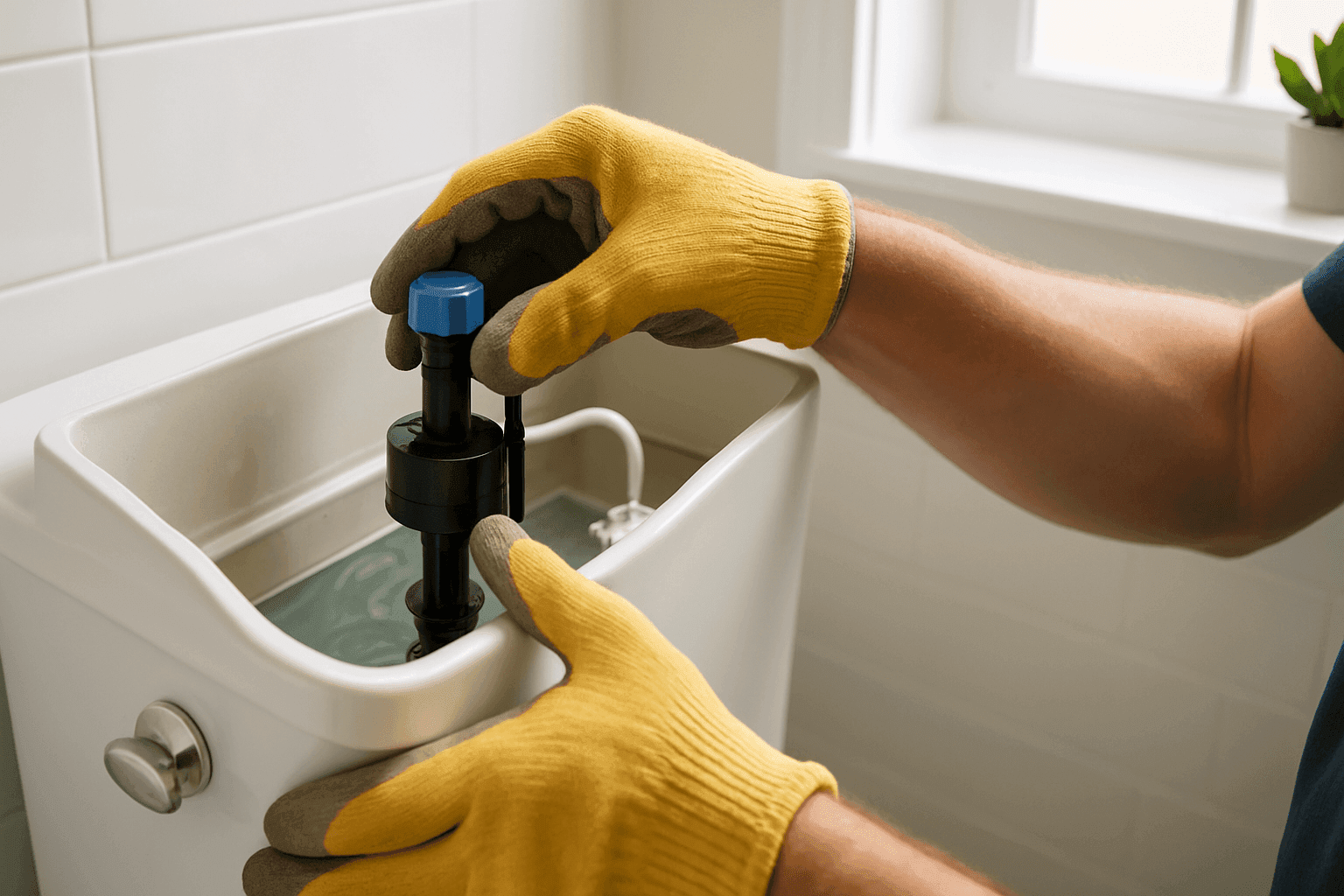
Is your toilet making odd noises, running non-stop, or giving you that sinking feeling with every flush? You’re not alone. Toilet troubles strike at the worst times—3 AM, just before guests arrive, or right when you need to dash out the door.
At RWB Plumbing, we know that a well-running toilet is the unsung hero of every home. Our emergency plumbing team has seen it all—flooded bathrooms, surprise leaks, and stubborn clogs. Before panic sets in, let’s walk through some easy fixes. You’ll gain the confidence to tackle the basics yourself, plus clarity on when it’s time to call for backup.
Common Toilet Problems & What They Mean 🚽
Most toilet issues fall into a handful of categories:
- Running toilet: Water keeps flowing after a flush.
- Clogs: Water rises or drains slowly. Sometimes, it threatens to overflow.
- Leaks at the base: Puddles or dampness around the toilet’s bottom.
- Weak flushes: The bowl doesn’t clear out completely.
- Noisy tanks: Whistling, hissing, or banging from the tank after flushing.
Each of these problems has a root cause—and a fix. Let’s start by grabbing the right tools.
Tools & Supplies You’ll Need
Before diving in, gather these items:
- Adjustable wrench
- Plunger (cup or flange style)
- Sponge or towels
- Rubber gloves
- Flathead and Phillips screwdrivers
- Bucket
- Replacement parts (flapper, fill valve, wax ring—depending on the fix)
- Food coloring (for leak detection)
A little preparation goes a long way. Having these tools handy can mean the difference between a quick fix and a frantic search.
Anatomy of a Toilet: Diagram
Before you start repairs, it helps to know what’s inside your tank. Here’s a simple diagram of the main parts you’ll be working with:
+---------------------------+
|         Tank Lid          |
+---------------------------+
|    | Fill Valve      |    |
|    |   (float)       |    |
|    +-------+         |    |
|            |         |    |
| Flapper  <-+---------+--+ |
|    |                    | |
|    +-----> Flush Valve  | |
|           (overflow)    | |
+-------------------------+-+
|         Bowl              |
+---------------------------+
- Fill Valve: Controls water coming into the tank.
- Flapper: Rubber seal that lifts to let water into the bowl.
- Flush Valve: Where water exits the tank.
- Overflow Tube: Prevents overfilling.
Keep this mental map handy as you work.
Quick Safety Checklist
Plumbing repairs aren’t usually risky, but a few precautions help:
- Turn off the water supply (the valve is usually behind the toilet).
- Keep the area dry to avoid slips.
- Never use harsh chemicals for clogs—these can damage pipes and are unsafe.
- If you smell gas or notice water near electrical outlets, stop. Call an emergency plumbing service.
Step-by-Step Repairs for Common Toilet Issues
Running Toilet
Symptoms: Tank keeps refilling, gentle hissing sound, or water trickling into the bowl.
Fix:
- Remove the tank lid.
- Check the flapper—does it seal tightly? If not, replace it.
- Adjust the float. Too high means constant refilling; too low means weak flushes.
- Inspect the fill valve for debris or wear.
- Test by flushing. If water still runs, try food coloring in the tank. If it appears in the bowl without flushing, the flapper is leaking.
Tip: Most running toilets are fixed with a $5 flapper swap.
Clogged Toilet
Symptoms: Water rises, flush is slow or incomplete.
Fix:
- Use a plunger (flange type works best for toilets).
- Place the plunger over the drain hole, creating a seal. Push and pull with force.
- If clog persists, try a toilet auger (snake).
- Avoid chemical drain cleaners—they can harm pipes and are not recommended by the EPA.
Leaks at the Base
Symptoms: Water pooling around the toilet’s base.
Fix:
- Confirm the water is from the base, not tank condensation or a supply line drip.
- Tighten the bolts at the toilet’s base evenly, but don’t overtighten.
- If leaking continues, the wax ring may need replacing—a task that involves lifting the toilet.
Weak Flushes
Symptoms: Toilet doesn’t clear waste, water seems sluggish.
Fix:
- Check the rim holes under the toilet bowl—mineral buildup here can be cleared with a wire or brush.
- Ensure the flapper opens fully and the chain isn’t too loose or tight.
- Adjust the water level in the tank for a stronger flush.
Noisy Tank
Symptoms: Whistling, banging, or hissing after flushing.
Fix:
- Inspect the fill valve. Old or worn valves make noise; replacement is usually simple.
- Check for debris inside the fill valve and clear as needed.
- Make sure the supply line isn’t vibrating or loose.
DIY Fix or Call RWB Plumbing?
You know your comfort level. Some fixes, like swapping a flapper or plunging a clog, are straightforward. But if you run into:
- Persistent leaks after basic checks
- Water damage spreading to floors or walls
- Rusty or broken parts inside the tank
- Sewage smells or backflow
- Unexplained high water bills
It’s time to call a pro. Plumbing codes (like the Uniform Plumbing Code) require certain repairs—especially those involving drains, gas lines, or main sewer connections—to be handled by licensed technicians.
What the Pros Do On Arrival
When you call RWB Plumbing, here’s what you can expect:
- Respectful entry: Our team wears shoe covers and treats your home with care.
- Thorough diagnosis: We check not just the toilet, but nearby fixtures and plumbing lines.
- Clear communication: We explain what’s wrong and what needs to be done, in plain language.
- Quality repairs: We use code-compliant parts and test everything before we leave.
If it turns out your toilet needs replacement instead of repair, we’ll guide you through your options and help with installation.
When to Replace vs. Repair
Repair:
- Cracked tank lid or handle
- Minor leaks, running, or noise
- Clogs that respond to plunging
Replace:
- Cracked bowl or tank (these can’t be safely patched)
- Frequent clogs or repairs (age matters—over 20 years is pushing it)
- Constant leaks from the base, especially after multiple wax ring changes
Newer toilets are more water-efficient, and today’s models can save you money on every flush.
Prevention & Maintenance
A little care goes a long way:
- Don’t flush wipes, feminine products, or anything but waste and toilet paper.
- Every few months, check the tank parts for wear.
- Clean the rim holes and siphon jet to keep flush power strong.
- Inspect the base for signs of leaks.
Consider annual plumbing checkups—especially if you’ve had leaks or clogs before. Proactive maintenance can stop disasters before they start.
Costs & Time Factors
DIY fixes (like replacing a flapper or handle) often take under 30 minutes and cost less than a movie ticket. Replacing a wax ring or fill valve takes longer—allow about an hour, plus cleanup.
Professional repair costs vary based on the issue. Emergency plumbing calls (like major leaks or overflows) may add to the bill, but quick action often saves damage and bigger expenses later.
When It’s an Emergency
Some toilet problems can’t wait:
- Water flooding onto floors
- Sewage backing up into the bowl
- Leaks threatening electrical outlets or other fixtures
In these cases, shut off the water supply and call for emergency plumbing help right away. RWB Plumbing is always ready, day or night.
FAQ
Why does my toilet keep running?
Usually, a worn flapper or a misadjusted float is to blame. Check the tank and swap out the part if needed.
Can I fix a wobbly toilet myself?
Tightening the bolts may help. If it still rocks, the floor or flange could be damaged—call a pro.
Is a slow leak at the base dangerous?
Yes. Even small leaks can rot subflooring and lead to bigger repairs if left unchecked.
Do I need special tools?
Most jobs require only a plunger, wrench, and screwdriver. For tougher clogs, a toilet auger helps.
Local & Seasonal Considerations
Toilet problems can ramp up during cold snaps (frozen pipes or seal shrinkage) and heavy rains (backflow risk). In older homes, mineral buildup and worn seals are more common. If you live in a hard water area or a place with shifting seasons, check your toilets regularly.
If you’re ever unsure, remember: there’s no shame in calling for help. That’s what we’re here for.
Call RWB Plumbing now — or reach us anytime at 877-409-5028 .