The Ultimate Guide to Preventing Plumbing Emergencies Year-Round
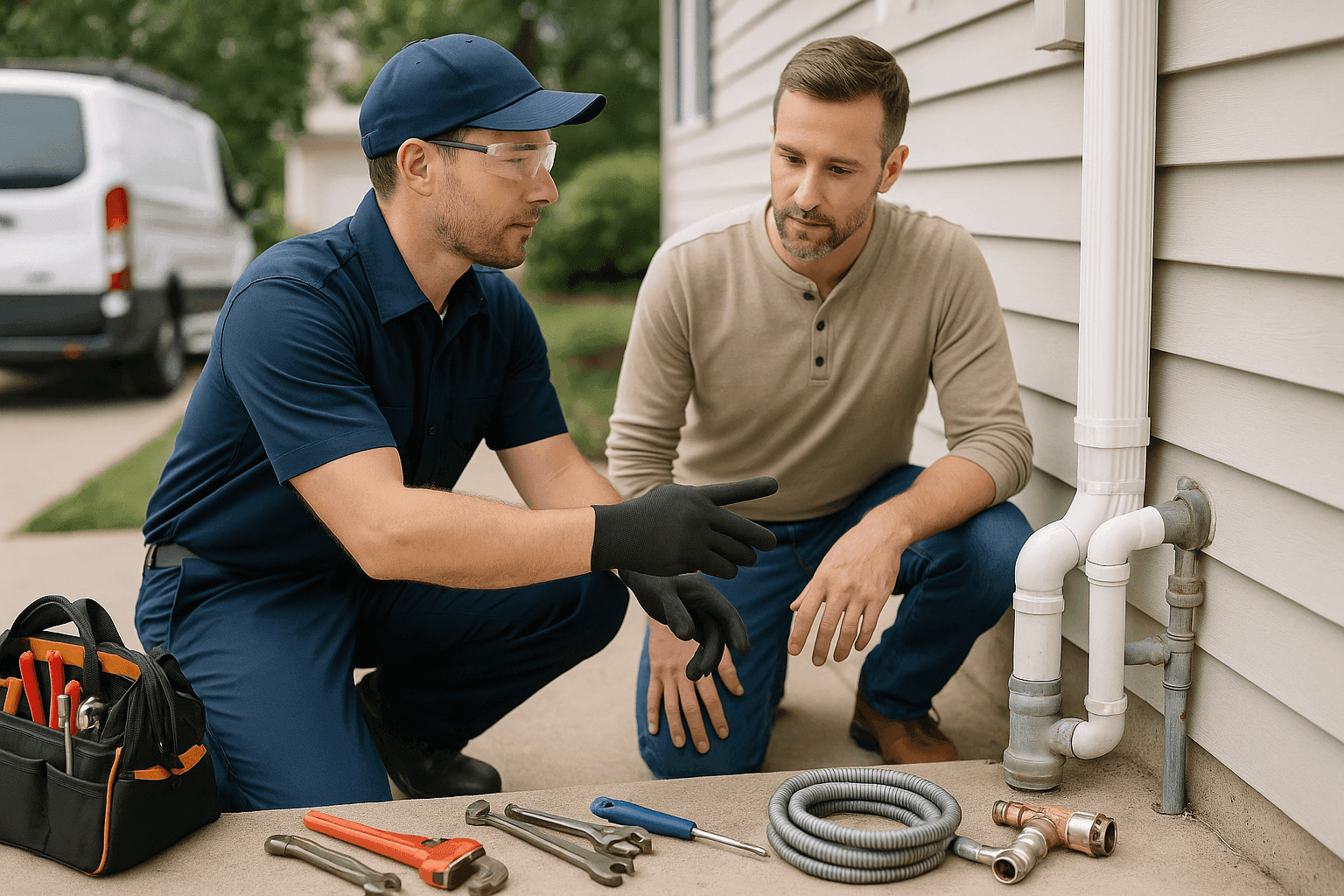
Plumbing emergencies don’t wait for a convenient moment. A burst pipe or clogged drain can turn a quiet evening into a frantic scramble. At RWB Plumbing, we understand just how stressful—and costly—unplanned plumbing disasters can be.
But here’s the good news: most emergencies can be prevented. With a few smart habits and regular checkups, you can keep your plumbing running smoothly all year long. Let’s break down exactly how.
Understanding Common Plumbing Emergencies 🚨
Think of your plumbing like the veins of your home or business. When something blocks or breaks them, everything else feels the pressure.
Some of the most frequent plumbing emergencies include:
- Leaking pipes: Even a tiny drip can add up to gallons wasted and major water damage.
- Clogged drains or toilets: One flush too many and suddenly water is everywhere.
- Burst pipes: Especially during cold snaps, frozen water expands and can split pipes wide open.
- Water heater failures: Cold showers are bad enough. Flooded basements are even worse.
- Sewer line backups: Unpleasant, unsanitary, and potentially hazardous.
These problems rarely appear out of nowhere. Most start small—an odd noise, a slow drain, a faint musty smell. Catching issues early is half the battle.
Seasonal Plumbing Maintenance Tips
Every season brings its own plumbing challenges. Like changing your car’s oil or swapping out smoke detector batteries, regular plumbing maintenance keeps things humming along.
Winter: Guard Against Freezes
- Insulate exposed pipes: Use foam sleeves or wrap with heat tape, especially in unheated areas.
- Let faucets drip: A slow trickle keeps water moving and helps prevent freezing.
- Seal cracks and drafts: Cold air sneaking in can freeze pipes behind walls or under floors.
- Know your main shutoff: If a pipe bursts, turning off the water fast can save thousands in damage.
Spring: Watch for Thaw Damage
- Check for leaks: Look under sinks and around appliances for dampness or mold.
- Test sump pumps: Heavy spring rains can overwhelm basement pumps—make sure yours works before the storms hit.
- Clear gutters and drains: Blocked outdoor drains can lead to flooding inside.
Summer: Prepare for Heavy Use
- Inspect outdoor faucets: Winter can crack hose bibs—run water and check for leaks.
- Look out for tree roots: Roots seek water and can invade buried pipes. Slow drains may be a warning sign.
- Monitor water pressure: High pressure can strain pipes and fixtures—install a pressure regulator if needed.
Fall: Holiday Readiness
- Clean garbage disposals: Big family meals mean more kitchen scraps. Run ice cubes and citrus peels through the disposal to sharpen blades and freshen up.
- Check water heaters: Flush sediment to improve efficiency and prevent breakdowns.
- Inspect toilets: Before guests arrive, make sure all toilets flush properly and don’t run.
DIY Prevention vs. Professional Services
Some plumbing care is simple. Other tasks are best left to experienced hands. Knowing the difference can save you both time and money.
What You Can Do Yourself
- Regularly clean drains: Use strainers in sinks and tubs to catch hair and debris.
- Check for visible leaks: Look under sinks, behind toilets, and around appliances.
- Test shutoff valves: Make sure you can turn off water quickly in an emergency.
- Monitor water bills: A sudden spike may signal an unseen leak.
When to Call RWB Plumbing
- Persistent clogs: If plungers and drain cleaners don’t work, the problem may be deeper in your pipes.
- Low water pressure: This could be a sign of a hidden leak or a failing pressure regulator.
- No hot water: Water heater repairs involve gas, electricity, or both—don’t risk a DIY fix.
- Strange odors or discolored water: These can signal sewer line issues or contamination.
The International Association of Plumbing and Mechanical Officials (IAPMO) and the Uniform Plumbing Code both recommend professional inspections annually, especially for older properties or those with a history of plumbing issues.
Checklist for Routine Inspections
Stay ahead of emergencies with this quick monthly checklist:
- Look for damp spots, mold, or mildew under sinks and in basements.
- Check for corrosion on pipes and fittings.
- Listen for banging pipes (water hammer) or gurgling drains.
- Test all faucets and toilets for leaks or running water.
- Run water in seldom-used sinks, tubs, and showers to keep traps full.
- Inspect washing machine hoses for bulges, cracks, or leaks.
- Make sure all drains empty quickly and completely.
If you spot anything unusual, jot it down. Small changes can signal big problems brewing below the surface.
Emergency Preparedness: What To Do If Disaster Strikes
Even the best prevention can’t stop every emergency. When the unexpected happens, quick action makes all the difference.
- Shut off the water: Know where your main valve is and how to operate it.
- Turn off electricity if water is near outlets or appliances: Safety first.
- Contain leaks with towels or buckets: Prevent water from spreading.
- Call RWB Plumbing immediately: The sooner we’re on-site, the faster we can stop the damage.
- Document the situation: Take photos for insurance claims.
Keep our number handy and share your shutoff location with family or coworkers. Preparation beats panic every time.
Prevention & Maintenance: The Key to Peace of Mind
Routine maintenance doesn’t just prevent disasters—it saves money, preserves property value, and keeps life running smoothly.
- Schedule annual inspections: A professional eye can catch issues you might miss.
- Invest in preventative upgrades: Consider water alarms, backflow prevention devices, or water filtration systems.
- Stay up to date with code: Plumbing codes exist for a reason—following them keeps your system safe and efficient.
- Educate your household or staff: Show everyone where shutoffs are and what to do in an emergency.
For business owners, regular backflow testing and water pressure checks are especially important to protect your investment and meet safety regulations.
Costs & Time Factors
Preventative maintenance is almost always less expensive than emergency repairs. A routine inspection might take an hour and cost less than a night out. Replacing a burst pipe or cleaning up after a flood? That can take days—and run into the thousands.
Emergency plumbing calls often involve after-hours rates and rapid response fees. Keeping your system healthy means fewer surprises and more control over your budget.
When It’s an Emergency
Not sure if your issue is urgent? Here are clear signs you need emergency plumbing help:
- Major leaks or flooding: Water spreading fast? Shut off the main and call us.
- No water at all: Complete loss of water can signal a main line break.
- Sewage backup: Any sign of sewage in sinks, tubs, or toilets is a health hazard.
- Gas smells near appliances or pipes: Leave the area and call for help right away.
If you’re ever in doubt, it’s better to be safe and get a professional opinion.
Frequently Asked Questions
How often should I have my plumbing inspected?
We recommend a yearly inspection for most homes and businesses. Older properties or those with frequent issues may need more frequent checks.
What’s the best way to prevent clogged drains?
Use sink strainers, avoid pouring grease down the drain, and flush only toilet paper. Regular cleaning helps, but some clogs require professional tools.
Can I use chemical drain cleaners?
Chemical cleaners can damage pipes and harm the environment. For minor clogs, try a plunger or a drain snake. Persistent blockages should be handled by a professional.
Do I really need backflow prevention?
Yes. Backflow devices protect your water supply from contamination. Many building codes require them, especially for businesses.
Special Considerations for Homeowners and Small Businesses
Homeowners—your plumbing system is unique. Renovations, additions, and aging pipes can all bring surprises. Keeping a maintenance log and updating fixtures when needed goes a long way.
Small business owners—downtime from a plumbing emergency can mean lost revenue. Invest in regular preventative maintenance, especially for high-use fixtures and appliances. Schedule inspections during off-hours to avoid disruption.
For both, remember: a little prevention today means fewer headaches tomorrow.
Call RWB Plumbing now — or reach us anytime at 877-409-5028 .