Unclogging Toilets: Fast Fixes and Prevention Tips
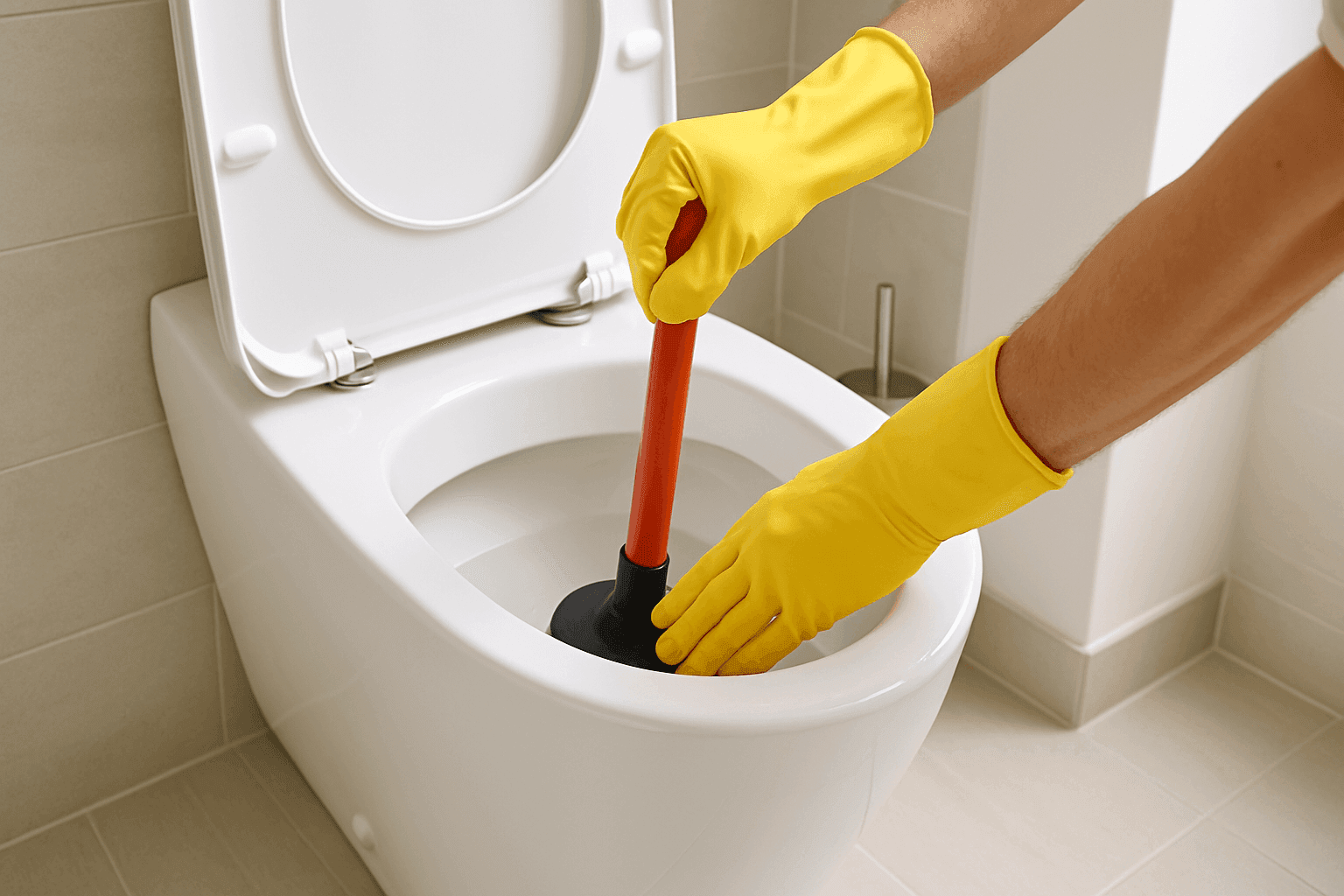
Toilet clogs never happen at a good time. Maybe you’ve got a house full of guests, or holiday dinner is just about to start. Suddenly, the flush doesn’t go down—and anxiety shoots up. At RWB Plumbing, we know how stressful these moments can feel. That’s why our emergency plumbing team is always standing by, ready to help you get things flowing again—quickly, cleanly, and without the mess.
But before you pick up the phone, there are a few simple fixes you can try at home. We’ll walk you through them, explain what causes clogs, and show you how to avoid this problem in the future. Whether you’re in the middle of a crisis or planning ahead, you’ll find everything you need right here.
What Causes Toilet Clogs? 🚽
A clogged toilet is like a traffic jam on your home’s busiest highway—nothing moves, and frustration builds. Common culprits include:
- Too much toilet paper in a single flush
- Flushing wipes, paper towels, or feminine products
- Small children’s toys or other objects (it happens more than you think!)
- Older low-flow toilets with weak flushes
- Ongoing plumbing issues deeper in the pipes
Understanding the cause helps you choose the best fix—and prevents repeat problems.
Quick Safety Checklist Before You Start
Before you roll up your sleeves, a few quick precautions:
- Wear rubber gloves. Protect your hands from germs.
- Clear the area. Remove rugs, towels, and anything that could get splashed.
- Turn off the water supply if the bowl is close to overflowing. The shut-off valve is usually behind the toilet.
- Keep a mop and disinfectant nearby for easy cleanup.
- Ventilate. Open a window or turn on the bathroom fan.
Step-by-Step: DIY Unclogging Methods
When a clog strikes, try these tried-and-true techniques:
1. The Plunger Method
- Choose the right plunger. A flange plunger (with a rubber flap) works best for toilets.
- Add water to the bowl if needed—the plunger should be covered.
- Place the plunger over the drain hole. Push down gently at first to get a good seal.
- Pump up and down vigorously for 15–20 seconds.
- Lift and test. If the water drains, you’re in the clear. If not, repeat a couple more times.
2. Toilet Auger (Plumbing Snake)
- Insert the end of the auger into the toilet bowl.
- Crank the handle to work the cable into the drain.
- Twist and push to break up or snag the clog.
- Pull it out carefully—and dispose of any debris safely.
- Flush to check if the problem is solved.
3. Hot Water and Dish Soap
- Pour a generous squirt of dish soap into the toilet.
- Heat a bucket of water (not boiling—hot tap water is fine).
- Pour the water from waist height into the bowl to help push the clog through.
- Wait 10–15 minutes and try flushing.
4. What Not to Do
- Avoid using chemical drain cleaners—they can damage pipes and are dangerous if splashed.
- Never use wire hangers or sharp objects. These can scratch porcelain or get stuck.
DIY Fix or Call a Plumber? 🔧
Sometimes, a little elbow grease is enough. Other times, you need a professional. How to decide?
DIY is usually safe if:
- The clog is recent and you know what caused it.
- Water isn’t overflowing or leaking onto the floor.
- You have the right tools (plunger or auger).
Call RWB Plumbing if:
- Water is rising and you can’t stop it.
- You’ve tried plunging or snaking with no luck.
- Multiple fixtures are backing up at once (could signal a main line problem).
- There’s sewage smell or visible waste.
- You’re uncomfortable tackling it yourself.
No shame in asking for help—your peace of mind is worth it.
What to Expect When a Pro Arrives
Our emergency plumbing team arrives ready to solve the problem with minimal fuss. Here’s what happens next:
- Assessment: We inspect the toilet and nearby drains to pinpoint the clog.
- Specialized tools: We may use a high-powered auger, camera inspection, or hydro-jetting if needed.
- Careful cleanup: Our “no-mess” approach means we protect your home and leave the workspace spotless.
- Advice: We’ll explain what caused the clog and how to avoid it next time.
RWB Plumbing treats every home like our own—no muddy boots, no harsh chemicals left behind.
Keeping Toilets Clear: Prevention & Maintenance Tips 🛠️
Stopping clogs before they start is easier than dealing with a backup. Here’s how:
What’s Flushable (and What’s Not)
Flush only:
- Toilet paper (in moderate amounts)
- Bodily waste
Never flush:
- “Flushable” wipes (they aren’t, according to Consumer Reports and many municipal wastewater authorities)
- Paper towels, napkins, cotton balls, or swabs
- Feminine hygiene products
- Dental floss, hair, or small trash
- Kids’ toys
Smart Habits
- Double-flush if needed for large loads.
- Teach kids what can and can’t go down the toilet.
- Keep a covered trash bin in every bathroom.
Regular Maintenance
- Check for slow drains and gurgling sounds—these can hint at bigger issues.
- Schedule routine drain cleaning or a professional inspection every year, especially in older homes.
- If you’ve had repeated clogs, RWB Plumbing can recommend upgrades or solutions like higher-flow toilets or sewer line inspection.
Costs & Time: What to Expect
Unclogging a toilet yourself usually takes 10–30 minutes. If a professional is needed, most jobs are resolved in under an hour. More complex blockages (like main line issues) can take longer.
Typical costs depend on:
- Severity of the blockage
- Whether special equipment is needed (like camera inspection)
- The time of day (after-hours or holiday calls may add a fee)
Remember, investing in professional help can save you money and damage in the long run, especially if you’re dealing with leaks, water heater repair, or persistent pipe issues.
When It’s an Emergency 🚨
Some clogs are more than an inconvenience—they’re a true emergency plumbing situation. Here’s when to act fast:
- The toilet is overflowing and water is spreading onto the floor.
- You can’t stop the water supply and risk water damage.
- Multiple plumbing fixtures are backing up at once.
- There’s a strong sewage odor or visible waste.
In these cases, turn off the water at the shut-off valve and call RWB Plumbing immediately. Quick action keeps your home safe and minimizes cleanup.
FAQ: Unclogging Toilets
Q: How do I know if the clog is in the toilet or further down the line?
A: If only one toilet is affected and other drains work fine, it’s likely a local clog. If sinks, tubs, or multiple toilets are slow or backed up, the main line may be blocked.
Q: Are chemical drain cleaners safe for toilets?
A: Most plumbers—including the experts at RWB Plumbing—recommend against them. They can damage pipes and are unsafe to handle.
Q: What if my toilet keeps clogging, even after plunging?
A: Persistent clogs may point to a bigger problem like buildup in the drain or a sewer line issue. It’s time to call in a pro.
Q: Can “flushable” wipes go down the toilet?
A: Despite the label, most wipes don’t break down quickly and can cause blockages. Stick to toilet paper only.
Hosting Guests: Holiday & Seasonal Tips
Toilets see more use when friends and family visit. During the holidays or guest season:
- Remind guests (gently!) what not to flush.
- Keep extra toilet paper and a plunger in plain sight.
- Do a quick “test flush” before guests arrive.
- If you’ve had clogs before, consider a pre-holiday maintenance checkup.
A little preparation now means fewer surprises and happier gatherings.
Toilet trouble can strike at any time, but you’re never alone. Whether you need fast, no-mess help or advice on prevention, RWB Plumbing is here for you 24/7. For water heater repair near you, leak detection, emergency plumbing, and more, our friendly team is just a call away.
Call RWB Plumbing now — or reach us anytime at 877-409-5028 .