Home Water Filtration Systems: Options, Costs, and Benefits
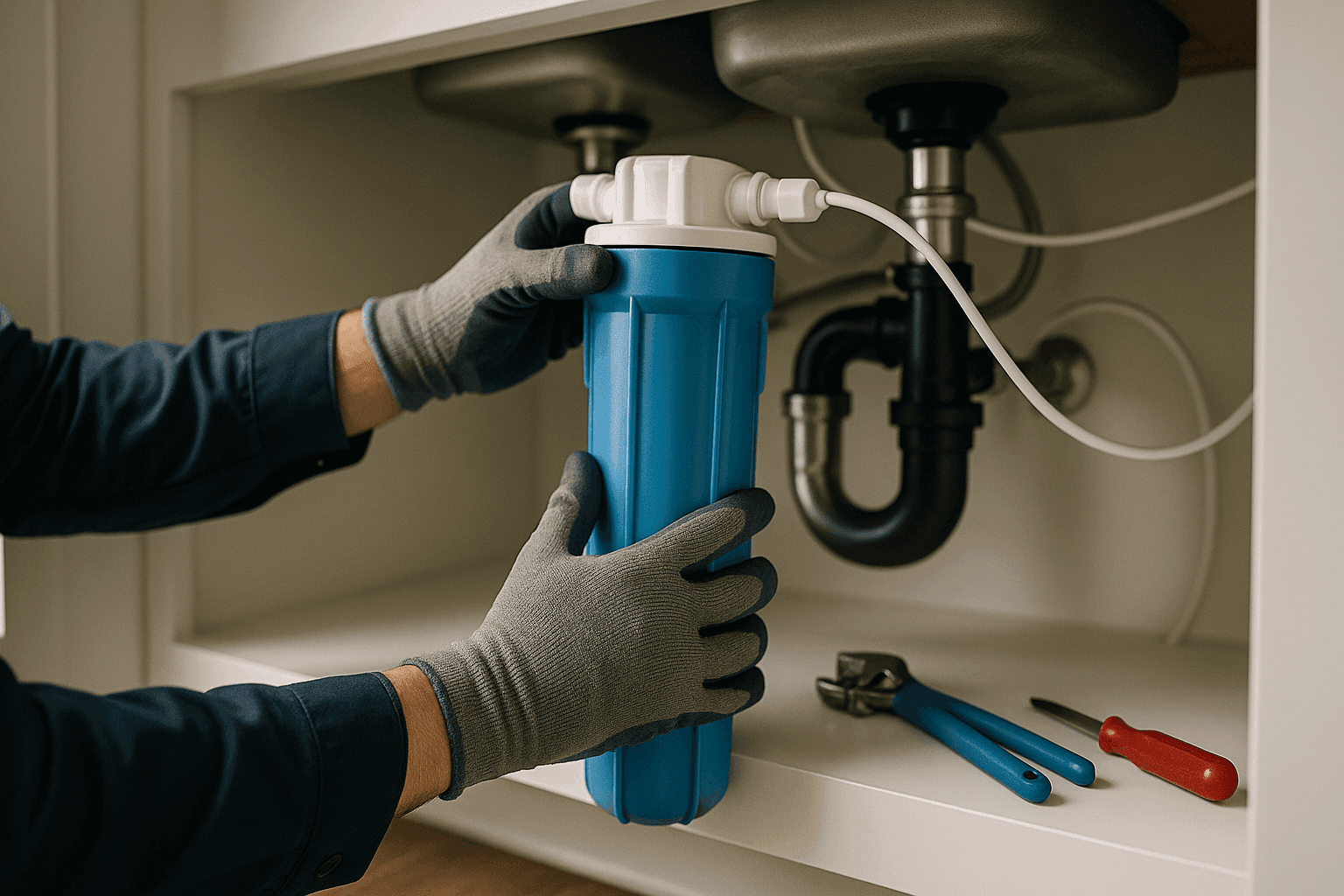
Is your tap water safe? Most people don’t think twice before filling a glass. But what you can’t see—or taste—could be quietly building up in your plumbing, and eventually, in your body.
At RWB Plumbing, we know that clean water is the foundation of a healthy home. Plumbing emergencies get the headlines, but day-to-day water quality matters just as much. If you’re worried about what’s in your water, you’re not alone. Let’s clear up what you need to know about home water filtration systems, from options to costs, so you can make a confident decision for your home and family.
Why Water Quality Matters
Imagine your plumbing as the veins of your home. Every glass of water, every cooked meal, every load of laundry—it all starts with what flows from your taps. Yet, water can pick up lead, chlorine, sediment, rust, or bacteria along the way.
Municipal sources do their best, but pipes age, and standards change. According to the U.S. Environmental Protection Agency (EPA), even “safe” water can contain trace contaminants. The only way to know for sure? Testing.
Recognizing Water Quality Concerns
- Cloudy or discolored water
- Metallic, chemical, or rotten egg odors
- Bitter or odd tastes
- Staining on sinks, tubs, or laundry
- Limescale buildup in kettles or coffee makers
Even if your water looks and smells fine, it might still contain microscopic threats.
How to Test Your Water (Quick Safety Checklist) 🧪
Before investing in a filtration system, it’s smart to get a clear picture of what you’re dealing with. Use this checklist:
- Request a Water Quality Report: Check your municipality’s annual Consumer Confidence Report.
- Try At-Home Test Kits: These test for chlorine, hardness, lead, nitrates, and bacteria.
- Check Plumbing Codes: Look up local and state guidelines for water quality and filtration (reference: International Plumbing Code).
- Inspect Your Fixtures: Rusty pipes or green stains can hint at corrosion or copper.
If you spot anything out of the ordinary, or if the numbers don’t add up, it’s time to consider filtration.
Types of Home Water Filtration Systems
Not all filters are created equal. Picking the right one is like choosing the right key for a lock—it has to fit the problem.
Whole-House Filtration Systems
Think of these as a “bodyguard” for your entire plumbing system. Installed where water enters your home, they filter every drop—showers, laundry, kitchen, and more.
- Best for: Removing sediment, chlorine, and certain chemicals from all taps.
- Maintenance: Change filters every 3–12 months, depending on model and usage.
- Great for: Families concerned about bathing and laundry water, not just drinking.
Under-Sink Filtration
This is the “mini safe” for your kitchen. Under-sink systems target just one faucet—usually the kitchen sink—where you get most of your drinking water.
- Best for: Filtering water for drinking and cooking.
- Maintenance: Cartridge changes every 6–12 months.
- Great for: Apartments, condos, or those who only care about one tap.
Reverse Osmosis (RO) Systems
RO systems are the “vault”—they catch nearly everything, even tiny dissolved solids and some viruses.
- Best for: Highly purified drinking water, including lead, arsenic, and nitrates.
- Maintenance: Pre- and post-filters every 6–12 months; membrane every 2–3 years.
- Great for: Homes with tough contaminants or immune-compromised residents.
Other Filter Types
- Carbon Filters: Remove chlorine, some pesticides, and odors.
- UV Filters: Zap bacteria and viruses.
- Water Softeners: Not a filter, but reduce hard minerals like calcium and magnesium.
Comparing Filter Types & Maintenance
Let’s line up the contenders—here’s what you need to know:
Whole-House Systems
- Catches: Sediment, chlorine, some VOCs.
- Filter life: 3–12 months.
- Maintenance: Medium—replace main filter, check pressure.
Under-Sink Filters
- Catches: Chlorine, lead (with right cartridge), cysts.
- Filter life: 6–12 months.
- Maintenance: Low—swap cartridge.
Reverse Osmosis
- Catches: Heavy metals, salts, nitrates, fluoride.
- Filter life: Pre/post 6–12 months, membrane 2–3 years.
- Maintenance: More steps—multiple filters, sanitize system.
Key Tip: Always follow the manufacturer’s instructions. Don’t try to “stretch” filter life—water quality drops, and bacteria can build up. If you’re ever unsure, call for emergency plumbing help.
Understanding the Costs 💸
Cost isn’t just the price tag on the box. Consider purchase, installation, and ongoing maintenance.
Upfront Costs
- Whole-House: $500–$4,000+ (varies by filter media and features)
- Under-Sink: $100–$800
- Reverse Osmosis: $200–$1,500
Installation
- DIY Difficulty: Under-sink is usually manageable for confident DIYers. Whole-house and RO systems? It’s often best to call a pro.
- Professional Labor: $150–$1,000, depending on complexity and local rates.
Ongoing Maintenance
- Filter Replacement: $40–$300 per year, based on system and usage.
- Annual Inspection: Recommended for whole-house and RO.
Don’t forget: Skipping maintenance can lead to clogs, leaks, or even contaminated water. Emergency plumbing calls are never fun.
How Installation Works
When you book with RWB Plumbing, here’s what you can expect:
- Pre-Inspection: We’ll test your water and inspect your plumbing for compatibility.
- System Selection: We recommend systems that fit your needs, budget, and local plumbing codes.
- Certified Installation: Our licensed plumbers handle the heavy lifting—cutting pipes, sealing joints, and testing for leaks.
- Final Testing: Once installed, we flush the lines and retest water quality.
- Walkthrough & Education: You’ll get a quick rundown on filter changes and what to watch for.
Our team is certified to install all major brands. We stand by our workmanship, and if you have questions after install, we’re just a call away.
DIY vs. Call a Pro
Some people love rolling up their sleeves. But water filtration isn’t always a simple swap like changing a light bulb.
DIY is possible when:
- You’re installing a faucet-mounted or under-sink filter.
- Your plumbing is accessible and you have basic tools.
Call a pro if:
- The main water line needs to be shut off.
- You’re dealing with copper or galvanized pipes.
- Your system taps into gas or electrical (like some RO or UV units).
- Local building codes require permits or licensed work.
Safety first. If you’re not sure, reach out for Water Heater Repair near you or plumbing help.
What Plumbers Do On Arrival
A certified plumber does more than just “hook up a filter.”
- Check water pressure—too high can damage filters.
- Inspect for leaks—before and after install.
- Verify code compliance—especially for backflow prevention or cross-connection hazards.
- Test water post-install—to confirm the filter is working as promised.
You’ll get peace of mind knowing everything’s up to standard.
Prevention & Maintenance Tips 🛠️
Keep your water fresh and your system running:
- Replace filters on schedule—set a calendar reminder.
- Inspect for leaks—check under sinks and around filter housings.
- Flush the system after a new filter is installed.
- Sanitize RO systems annually.
- Test water yearly—especially if you notice any change in taste or odor.
Want to avoid emergencies? A little routine attention goes a long way.
Costs & Time Factors
Every home is different. Here are the main variables:
- System complexity—more features mean higher costs.
- Labor rates—urban areas typically cost more.
- Plumbing access—tough-to-reach pipes add hours.
- Permits—some local codes require inspections.
Most under-sink installs take 1–2 hours. Whole-house systems may take half a day, especially with pipe modifications. Reverse osmosis often falls in between.
Maintenance is ongoing. Plan for filter swaps every 6–12 months, and a checkup each year to keep things humming.
When It’s an Emergency
Sometimes water filtration issues are urgent:
- Sudden water discoloration
- Strange odors or tastes
- Leaks from filter housings
- Drop in water pressure
If you notice these, don’t wait. Shut off your water supply and call for emergency plumbing. Quick action can prevent damage to your home and health.
Frequently Asked Questions
How do I know which filtration system I need?
Start with a water test. Match your filter to the contaminants present. If you’re unsure, a licensed plumber can help you interpret results and recommend the right system.
Can I install a water filter myself?
Some under-sink and faucet filters are DIY-friendly. Whole-house and RO systems usually require plumbing knowledge and tools. If you’re not comfortable, it’s safer to call a pro.
How often should I replace filters?
Most systems need filter changes every 6–12 months. Reverse osmosis membranes last 2–3 years. Always check your manual for specifics.
Will a filter fix hard water?
Standard filters don’t remove minerals. For hard water, consider a softener in addition to your filter.
Local/Seasonal Considerations 🌦️
- Cold weather: Pipes and filter housings can freeze—protect them in unheated spaces.
- Heavy rain or flooding: Can stir up sediment, stressing your filter.
- Older homes: Watch for lead or galvanized pipes—special filters may be needed.
Always check with local plumbing codes or your city’s water department for any unique concerns in your area.
Clean water isn’t a luxury—it’s a necessity. Whether you’re tackling a nagging taste, visible sediment, or just want peace of mind, RWB Plumbing is here to help you every step of the way. From emergency plumbing to Water Heater Repair near you, our certified installers deliver safe, reliable solutions.
Call RWB Plumbing now — or reach us anytime at 877-409-5028 .