Water Heater Installation: Step-by-Step Homeowner Guide
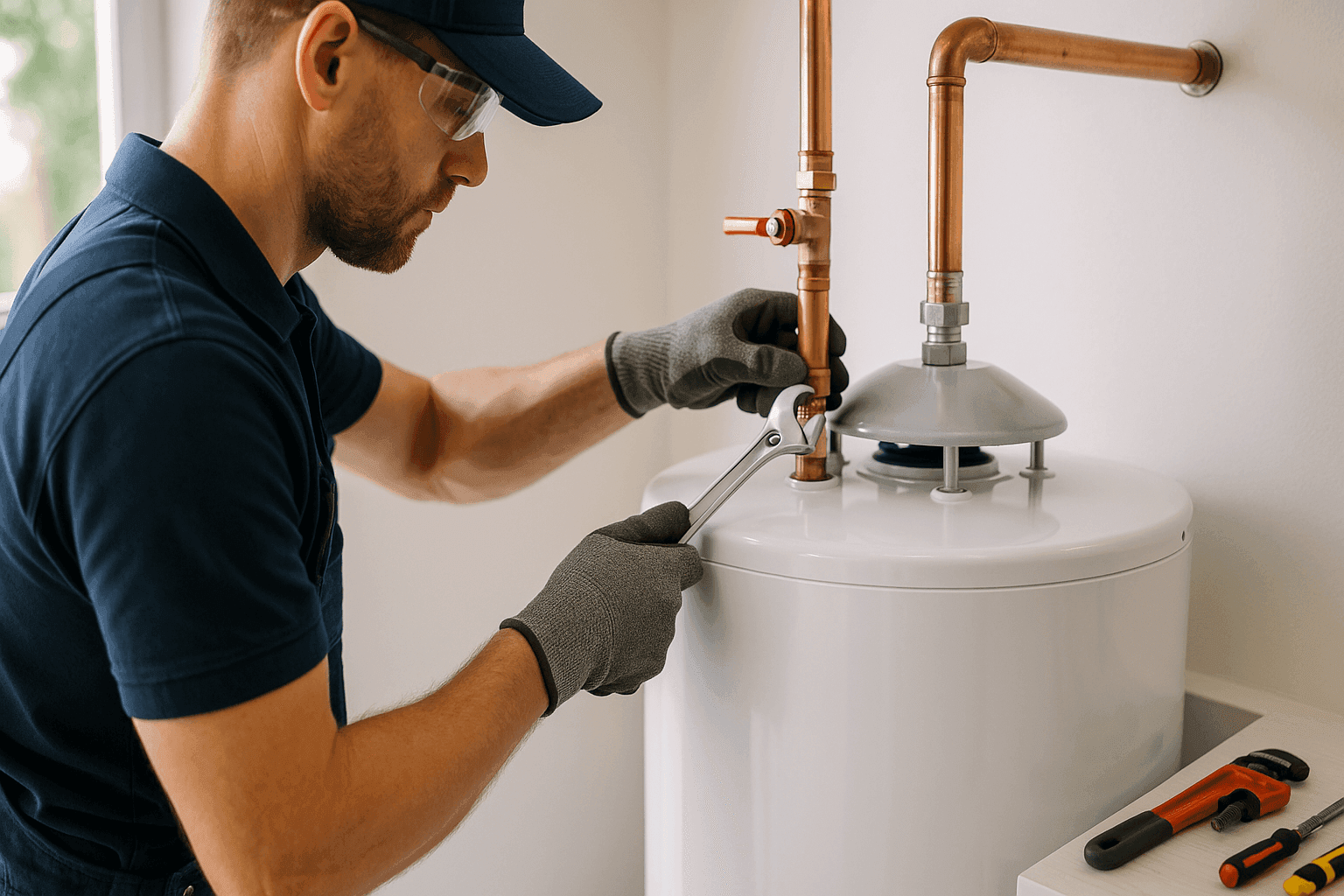
Is your shower suddenly running cold? Maybe your water heater is making noises like a coffee maker gone rogue. Or you just know—by the puddle on the floor—it’s time. With so much riding on hot water, the right installation matters.
At RWB Plumbing, we’ve seen every emergency plumbing call imaginable. We believe homeowners should know what goes into water heater installation, the risks, and how choosing wisely protects your home for years.
Why Water Heater Installation Matters
A water heater is like the heart of your home's plumbing. If it stops working, everything slows down—showers, dishes, laundry. Worse, a bad install can cause leaks, gas hazards, or even property damage.
There’s no one-size-fits-all solution. The right choice depends on your home, your needs, and your safety.
Understanding Water Heater Types
Before picking up a wrench—or the phone—know what’s out there:
- Tank Water Heaters: The classic. Stores 30–80 gallons of hot water, always ready. Simple, reliable, but takes up space and can run out during high demand.
- Tankless Water Heaters: Heats water only when needed. Endless hot water, space-saving, and energy efficient. But it needs a bigger upfront investment and may require upgraded gas or electric lines.
- Hybrid Water Heaters: Uses heat pump technology to pull warmth from the air. High efficiency, but needs more space and works best in warmer locations.
Each type has its own quirks—like picking between a trusty pickup, a zippy electric car, or a hybrid SUV. What fits your home’s “drive” best? Think about family size, hot water habits, and where the unit will live.
Removing the Old Water Heater: Out with the Old 🚚
Taking out an aging water heater isn’t just a matter of unplugging and yanking. Here’s how the pros do it:
- Turn Off Utilities: Gas supply, electricity, and water—shut these off before touching anything.
- Drain the Tank: Attach a hose, run it to a drain or outside, and empty the tank. Hot water burns—let it cool first.
- Disconnect Lines: Water, gas, or electricity—all must be carefully disconnected. Sometimes, old fittings are stubborn as a rusted lug nut.
- Vent Removal: For gas models, flue pipes must be detached. Wear gloves and keep an eye out for sharp edges.
Handling this step wrong can mean flooding, gas leaks, or even electrical shocks. If you’re not sure, pause and call for help.
Safe Installation Steps: Protect Your Home and Family
Safety isn’t just a box to check—it’s the backbone of plumbing. Every step is important:
- Leveling and Positioning: The new unit should sit flat, with enough clearance for airflow and maintenance.
- Reconnect Utilities: Plumbing lines, gas pipes, or electric wiring—all must be sealed and tested.
- Install Pressure Relief Valve: This humble valve is your shield against overpressure explosions. It should point toward a safe drain.
- Seismic Straps: In some regions, codes require strapping the heater to the wall. Earthquakes or bumps won’t send it tumbling.
- Proper Venting: Gas units must vent safely outside. No shortcuts—carbon monoxide is invisible but deadly.
- Leak Checks: Professionals use soap solution or gas detectors to ensure every joint is tight.
The U.S. Department of Energy and local code authorities (like the International Association of Plumbing and Mechanical Officials) set strict guidelines for these steps. Skipping even one can mean trouble.
Quick Safety Checklist ✅
- Turn off power and fuel sources.
- Double-check gas connections with approved leak detectors.
- Ensure pressure relief valve is installed and unobstructed.
- Secure all vent pipes firmly and aim outdoors.
- Test for leaks before filling or powering on.
- Know your local permit requirements.
If any of these sound confusing, stop and call for Water Heater Repair near you.
DIY vs. Call a Pro
Water heater installation looks simple on a video. In real life, it’s more like changing a tire on a busy highway—possible, but risky.
DIY Pros:
- Save on labor, get hands-on experience.
DIY Cons:
- Voided warranties, safety risks, code violations.
- Missed steps can lead to leaks, mold, or even carbon monoxide exposure.
Calling in an emergency plumbing team means the job gets done safely, up to code, and with the right permits.
What Pros Do On Arrival
When RWB Plumbing arrives, you’ll see:
- Introduction, shoe covers, and a walk-through.
- Inspection of your old system and home’s plumbing.
- Sizing calculation: How much hot water does your family use? We check fixtures, square footage, and flow rates.
- Guidance on unit types—tank, tankless, hybrid—and placement.
- Removal of the old heater, with safe disposal.
- Meticulous installation, following all local codes.
- Full leak, gas, and electrical tests.
- Briefing you on how to operate and maintain your new heater.
We take pride in neat work, clear answers, and leaving your home as tidy as we found it.
Sizing & Efficiency Tips
Choosing the right size water heater is like picking shoes for a marathon. Too small, and you’ll run out of steam. Too big, and you’ll waste money heating water you never use.
- For tanks: 30–40 gallons for 1–2 people, 40–50 for 3–4, 50–80 for larger families.
- Tankless: Look at flow rate (gallons per minute) and how many showers/appliances run at once.
- Hybrid: Consider both tank size and heat pump output.
Look for ENERGY STAR® labels and compare annual operating costs. Sometimes spending a bit more up front saves hundreds over the years.
Code Compliance: The Rules Matter 🏛️
Every city has rules. Permits. Safety checks. Inspections. Code isn’t just paperwork—it protects your family and your investment.
- Gas lines: Must be sealed, tested, and sometimes upgraded to handle higher flow.
- Electrical: Outlets, breakers, and grounding must meet local requirements.
- Venting: Gas and hybrid units need clear, correctly-sized venting.
- Permits: Some cities require them before work even starts.
Ignoring code can mean denied insurance claims, fines, or worse. The National Fire Protection Association (NFPA) and your city’s building department spell out the exact requirements.
Prevention & Maintenance
A little TLC keeps your water heater running strong:
- Flush the tank yearly to remove sediment.
- Test the pressure relief valve every few months.
- Keep the area around the heater clear.
- Listen for odd noises (rumbling, popping).
- Watch for leaks at fittings or the tank base.
Our team can set up preventative maintenance on your schedule—catching small problems before they become emergencies.
Costs & Time Factors
What should you expect?
- Unit cost: Ranges from a few hundred (basic tank) to several thousand (high-end tankless or hybrid).
- Labor: Varies by type, accessibility, and code needs.
- Time: Simple swaps can take 2–4 hours. Upgrades or new installs might run longer.
Factor in the cost of permits, possible upgrades (like venting or gas lines), and disposal fees for the old unit. We break down all costs up front—no surprises.
When It’s an Emergency 🚨
A burst tank, gushing leak, or gas smell cannot wait. In these cases:
- Shut off water and power/fuel immediately.
- Ventilate the area.
- Call emergency plumbing services right away.
RWB Plumbing handles urgent calls day and night. We arrive fast, diagnose quickly, and get your home safe and warm again.
Frequently Asked Questions
How long does a typical water heater last?
Most tank water heaters last 8–12 years. Tankless models can reach 20+ years with good care. Age, water quality, and maintenance all play a part.
Do I need a permit for replacement?
In most areas, yes. Permits protect you by ensuring work is inspected and up to code.
Can I switch from gas to electric (or vice versa)?
It’s possible, but can mean extra work—like new venting, wiring, or piping. Ask a licensed plumber for an assessment.
What size water heater do I need?
Think about peak usage. A family of four often needs 40–50 gallons (tank) or a tankless unit rated for at least 7–9 gallons per minute.
Local and Seasonal Considerations
Your home’s location changes everything:
- Cold climates: Heaters work harder, so sizing up or insulating pipes may help.
- Earthquake zones: Seismic straps are a must.
- Older homes: May need upgraded pipes, gas lines, or venting.
- High mineral water: Consider a water filtration system to reduce sediment build-up.
Winter installs can mean extra time if pipes are frozen or access is tough—plan ahead if you can.
When your water heater falters, don’t leave your comfort or safety to chance. Call in the team that’s ready for any plumbing emergency—day or night.
Call RWB Plumbing now — or reach us anytime at 877-409-5028 .