Water Heater Repair: Troubleshooting Common Problems
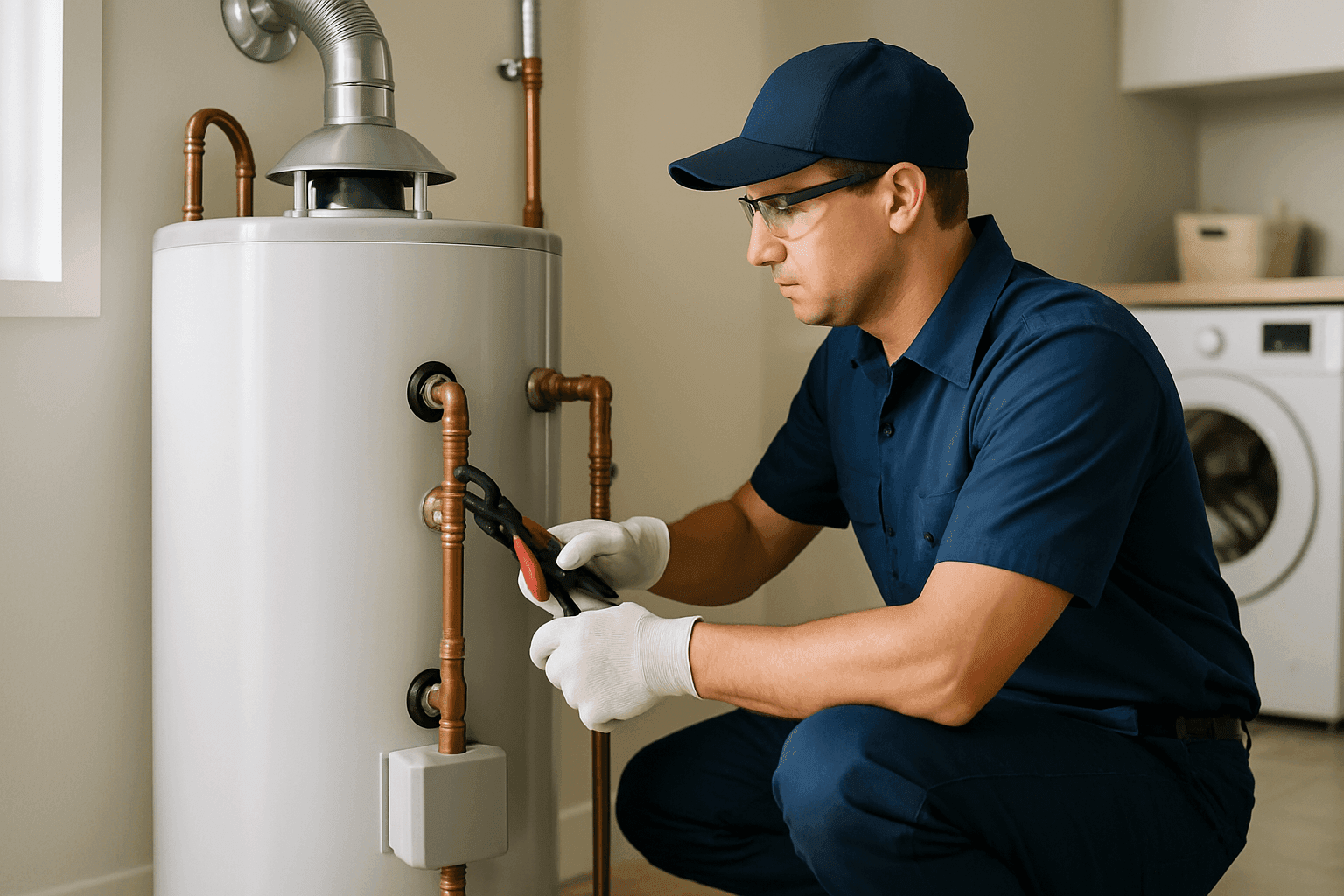
When your water heater acts up, it can feel a bit like your morning routine has hit a brick wall. Cold showers. Puddles near the tank. That unsettling rattle echoing from the basement. You need answers fast—especially if you’re searching for “Water Heater Repair near you” after regular hours.
At RWB Plumbing, we understand how urgent these problems can be. Our certified team handles emergencies 24/7, from leak detection to electric and gas water heater repair. Let’s break down the most common issues, what you can safely check yourself, and how to know when it’s time to call in the pros.
No Hot Water 🥶
Nothing ruins a day faster than a chilly shower. Whether you have an electric or gas unit, “no hot water” is a red flag. Here’s what might be happening:
- Electric Water Heaters: Check the circuit breaker. Sometimes, it trips and cuts power to the unit. If the breaker is fine, the heating element could be burned out.
- Gas Water Heaters: First, see if the pilot light is out. If it won’t relight or goes out repeatedly, that’s a sign of a bigger problem—possibly a faulty thermocouple or gas valve.
Safety Tip: If you smell gas, leave your home immediately and call emergency services. Don’t attempt any DIY fixes with gas leaks.
Strange Noises
A water heater that thumps, pops, or rumbles is trying to tell you something. Sounds can range from a low hum to a loud bang.
- Sediment Buildup: Over time, minerals in hard water settle at the bottom of your tank. As water heats, trapped air bubbles “pop” through the sediment—think of it like popcorn in a kettle.
- Heating Element Issues: Electric units may buzz or hiss if elements are scaling up or failing.
Ignoring these sounds can shorten your heater’s life or even cause damage to the tank.
Leaking Tank 💧
A puddle under your water heater is never a good sign. Common causes include:
- Loose Connections: Check the cold and hot water inlets. Sometimes, a simple tightening fixes a drip.
- Faulty Pressure Relief Valve: This safety valve opens if pressure gets too high. If it leaks constantly, it’s time for repair.
- Corroded Tank: If water is seeping from the tank body itself, replacement may be the only safe option.
Never ignore leaks. Water can quickly damage floors, walls, and belongings.
Discolored Water
Rusty or brown water out of your hot tap? It’s unsettling—and a sign your water heater needs attention.
- Rust Inside the Tank: Corrosion in the tank or pipes releases rust into your water.
- Anode Rod Worn Out: This rod sacrifices itself to prevent rust. When it’s gone, the tank starts to corrode.
If only your hot water is discolored, your heater is likely the culprit.
Quick Safety Checklist ⚠️
Before you grab a wrench or peek behind the tank, run through this safety list:
- Turn off power: For electric units, switch off the breaker. For gas, set the thermostat to “pilot” or “off.”
- Shut off water supply: Use the cold water valve atop the heater.
- Ventilate: If you suspect gas, air out the space and leave immediately.
- Never open panels or valves you’re unsure about.
- Read the manufacturer’s instructions or local code (check the National Fire Protection Association guidelines for gas safety).
When in doubt, call emergency plumbing. Safety comes first.
DIY Troubleshooting Steps
Some water heater problems have simple fixes. Here’s what you can safely try:
- Check the thermostat: Sometimes it’s set too low. Bump it to 120°F (49°C) for most homes.
- Inspect the pilot light (gas): If it’s out, follow the manufacturer’s relight instructions. If it won’t stay lit—call for help.
- Drain a few gallons: Attach a hose to the drain valve at the bottom and flush out sediment. This can quiet noise and improve efficiency.
- Tighten visible fittings: Hand-tighten any loose connections. Don’t overtighten—metal can crack.
Never attempt electrical repairs or gas line fixes yourself. These jobs require specialized training and tools.
Repair vs. Replacement: Which Makes Sense?
Think of your water heater like an old car. Some repairs are quick and affordable. Others cost nearly as much as a new unit. Here’s a quick way to decide:
- Repair if: The issue is minor (thermostat, valve, or heating element), and your unit is less than 10 years old.
- Replace if: The tank is leaking from the body, repairs are frequent, or the heater is 10–15+ years old.
Energy efficiency drops as heaters age, so newer models can save you money over time.
When to Call a Professional Plumber 📞
Call RWB Plumbing if:
- The problem involves gas lines, valves, or electrical wiring.
- There’s a persistent leak you can’t stop.
- The pilot light won’t relight, or you smell gas.
- Your water is rusty, or the tank is making loud, new noises.
- You have no hot water, and DIY checks didn’t work.
Our technicians are certified and trained to handle all brands and types. Plus, our repairs are covered by warranty for your peace of mind.
What Our Technicians Do On Arrival
When you call for “Water Heater Repair near you,” here’s what to expect:
- Inspection: We check the tank, connections, and safety components.
- Diagnostic testing: Using meters and test kits, we pinpoint the cause—no guesswork.
- Clear explanation: We’ll walk you through the problem and solution.
- Up-front options: Whether it’s a quick fix or a full replacement, you get all the facts before work begins.
- Safe, code-compliant repairs: All work follows plumbing codes and manufacturer specs.
Prevention & Maintenance
Preventing water heater problems is a lot like taking your car in for oil changes. A little care goes a long way.
- Flush the tank yearly to remove sediment.
- Test the pressure relief valve (lift and let snap back).
- Check the anode rod every 2–3 years.
- Look for leaks or rust around connections monthly.
- Schedule professional inspections—especially before winter.
These steps can double your heater’s lifespan.
Costs & Time Factors
Every repair is unique, but here’s what affects price and time:
- Type of repair: Replacing a thermostat takes less time than repiping.
- Age and type of heater: Older or tankless models may need special parts.
- Access: Hard-to-reach units cost more to service.
- Emergency plumbing calls: After-hours or weekend repairs may take longer, especially during peak seasons.
Most repairs take 1–3 hours. Replacements usually wrap up in half a day.
When It’s an Emergency 🚨
Some water heater issues can’t wait:
- Major leaks or flooding
- No hot water during freezing weather
- Gas smells or pilot light won’t stay lit
- Electrical sparks or repeated breaker trips
If you have any of these, call RWB Plumbing right away. Fast action can prevent water damage and safety hazards.
Frequently Asked Questions
How long do water heaters last?
Most tank-style heaters last 8–12 years. Tankless models can last 20+ with maintenance.
Can I repair my own water heater?
You can check thermostats, relight pilots, or drain sediment. Leave electrical or gas repairs to licensed professionals.
Is discolored water dangerous?
Rusty water usually isn’t harmful but signals corrosion. Don’t ignore it—it can lead to leaks.
Should I turn off my water heater if it’s leaking?
Yes. Shut off power/gas and water supply, then call for help.
Local and Seasonal Considerations
Water heaters work harder in winter. Cold incoming water makes your unit run longer, increasing wear. In older homes, pipes may freeze and burst if the heater fails. Annual maintenance before the cold sets in can head off emergencies.
If you live in an area with hard water, sediment builds up faster. Flushing more often can prevent many common problems. And if your home is older, keep an eye out for signs of corrosion—older tanks and pipes are more prone to rust.
Hot water is more than a comfort—it’s a necessity. If your water heater is giving you trouble, don’t wait for a small issue to become a costly disaster. For fast, reliable emergency plumbing, and certified water heater repair near you, Call RWB Plumbing now — or reach us anytime at 877-409-5028 .