Water Pressure Issues: Diagnosis and Solutions for Your Home
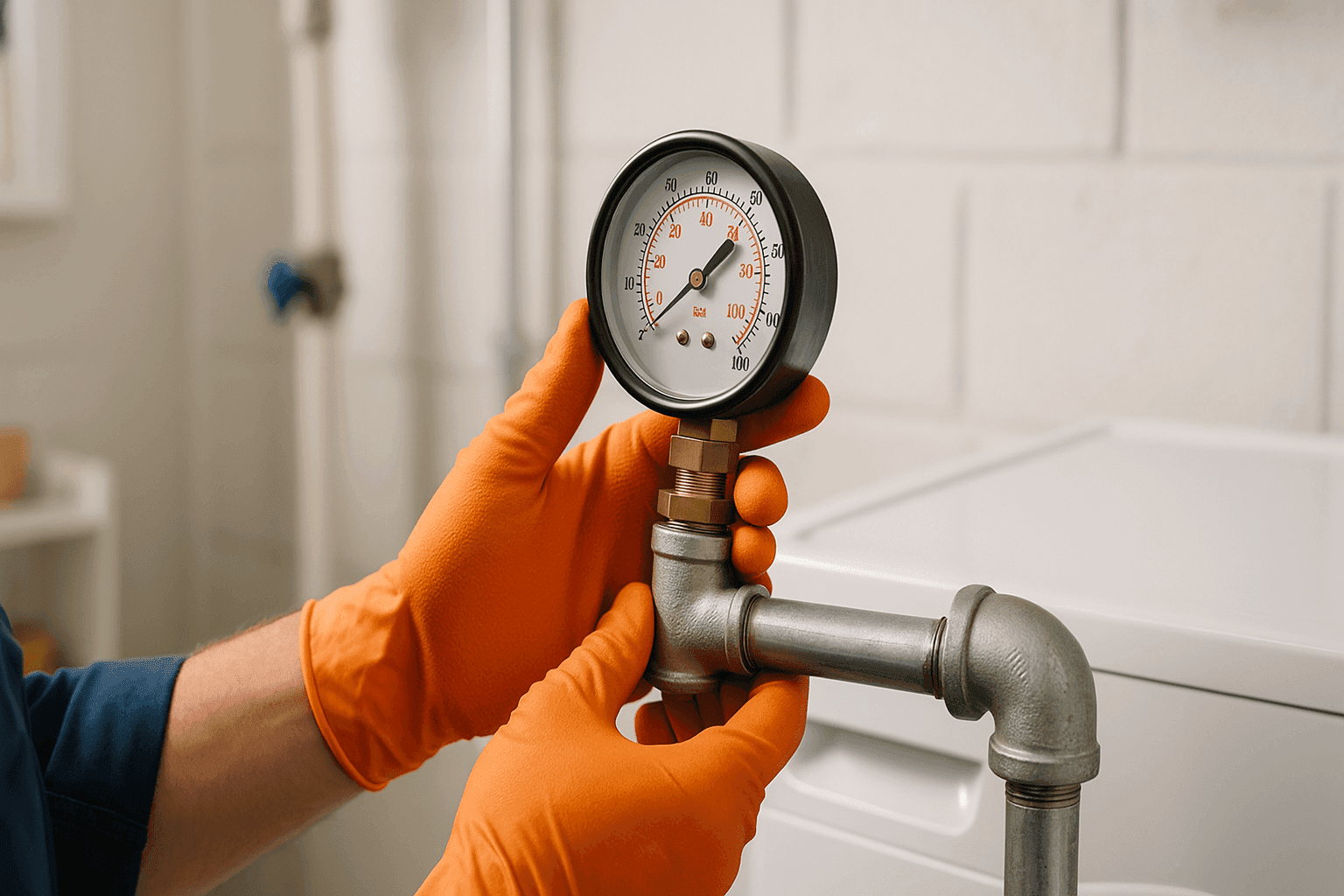
Water pressure problems are the kind that sneak up on you. One day, your shower feels like a gentle spring rain—peaceful, but underwhelming. Next, you might hear pipes groaning in the walls or spot water pooling under the sink. These aren’t just annoyances; they’re signs your home’s plumbing needs attention, sometimes urgently.
At RWB Plumbing, we know how disruptive these issues can be. Water pressure isn’t just about comfort—it affects every faucet, appliance, and pipe in your house. When things go wrong, you want answers fast and repairs done right. Here’s how you can get to the bottom of water pressure issues and what to do next.
Spotting the Symptoms of Water Pressure Trouble 🚿
When water pressure isn’t right, your home lets you know. Look for these telltale signs:
- Weak showers or slow-filling tubs: Water trickles instead of flows.
- Noisy pipes: Banging, rattling, or whistling when you turn on the tap.
- Sudden leaks: Pipes or fixtures drip, sometimes without warning.
- Toilets that refill slowly
- Inconsistent flow: Pressure strong one minute, gone the next.
Think of your plumbing like a city’s highway system. If there’s a jam, a detour, or a broken bridge, traffic slows or stops. The same goes for water: blockages, breaks, or faulty equipment can bring your home’s flow to a crawl.
Quick Safety Checklist Before You Start
Before you grab any tools or poke at pipes, keep these safety tips in mind:
- Turn off water supply before opening pipes or fixtures.
- Shut off electricity to areas with leaks (especially near water heaters or sump pumps).
- Wear gloves and safety glasses if you’re removing parts or using cleaning solutions.
- Never ignore a sudden loss of pressure—it could signal a burst pipe or major leak.
- Check local plumbing codes for any work that might require a permit or professional inspection (see the International Plumbing Code for reference).
Staying safe means fewer surprises and less risk to you and your home.
DIY: Testing Water Pressure at Home
You don’t need to be a plumber to do a basic checkup. Here’s what you can try:
Use a Water Pressure Gauge
- Buy a simple gauge at a hardware store—look for one that attaches to a hose bib or laundry tap.
- Screw it on tightly.
- Turn on the tap fully and read the dial. Most homes should have pressure between 40–60 psi (pounds per square inch).
- Too high? Above 80 psi can damage pipes and appliances.
- Too low? Below 40 psi can make showers and washing up a drag.
Test Multiple Fixtures
- Check water flow at several sinks, showers, and outdoor spigots.
- Is the pressure bad everywhere? Or just at one spot? If it’s just one, the problem might be with that fixture.
Inspect for Leaks
- Look under sinks and behind toilets for puddles or damp spots.
- Listen for the sound of running water when nothing’s in use.
Flush the System
- Sometimes, air trapped in pipes can cause “hammering” noises. Open all faucets for a minute, then close them—this can help clear things up.
Common Causes of Water Pressure Problems
Water pressure issues can come from several sources. Here are the most common culprits:
- Clogged pipes: Mineral buildup or debris slows water down.
- Hidden leaks: Even a small leak can drop pressure throughout your home.
- Faulty pressure regulators: These devices keep pressure steady but can fail over time.
- Municipal supply issues: Sometimes the problem is outside your home, like city work or a main break.
- Old fixtures or shutoff valves: Rust or wear can block water flow.
It’s a bit like trying to fill a bucket with a bent straw. If there’s a blockage, you won’t get the full flow—no matter how hard you try.
Step-By-Step Fixes for Homeowners
Some fixes are safe to try yourself. Others are better left to emergency plumbing professionals. Here’s what you can do:
Clean Faucet Aerators
- Unscrew the small screen at the tip of the faucet.
- Rinse out grit or mineral buildup. Soak in vinegar if needed.
- Reattach and test the flow.
Check Shutoff Valves
- Make sure all main and fixture valves are fully open.
- Sometimes, a valve gets bumped or closed partway and restricts water.
Replace Old Washer or Cartridge
- Dripping or weak faucets may need a new washer or cartridge.
- Turn off water, disassemble the handle, and swap out the worn part.
Inspect and Clean Shower Heads
- Unscrew the shower head.
- Soak in vinegar to break up mineral deposits.
- Brush away debris and reinstall.
Check the Pressure Regulator
- If your gauge reads high (over 80 psi), you may need a pressure-reducing valve.
- This is best installed by a professional, but you can spot a failed regulator by finding it near the main shutoff and seeing if it’s leaking or corroded.
Watch for Leaks
- Even a slow drip wastes water and hurts pressure.
- Fix obvious leaks with new washers or plumber’s tape.
- For pipe leaks or hidden water, call in an emergency plumbing service.
DIY or Call a Pro? Deciding When to Get Help 🛠️
Some problems are simple—a clogged aerator or a closed valve. Others are more serious.
Call RWB Plumbing if you notice:
- A sudden drop in pressure everywhere, especially after construction or freezing weather.
- Water pouring out from under floors, walls, or ceilings.
- Rusty or discolored water.
- Banging or knocking pipes that won’t quiet down.
- No improvement after basic cleaning and checks.
When in doubt, it’s safer to call the pros. Plumbing codes and safety guidelines (like those from the International Plumbing Code and local authorities) exist for a reason.
What RWB Plumbing Does on Arrival
When you call RWB Plumbing, here’s what you can expect:
- Thorough system diagnosis: We check pressure at multiple points, look for leaks, inspect regulators, and use advanced leak detection tools.
- Pinpoint the problem: Whether it’s a failed valve, a hidden leak, or a municipal issue, we find the root cause.
- Clear, step-by-step solutions: We’ll explain what’s wrong and the safest, most effective fix—whether it’s Water Heater Repair near you or a complete repipe.
- Safety first: We follow all local codes and best practices to protect your home.
- No guesswork: You get answers, not maybes.
Preventing Water Pressure Problems
A little maintenance goes a long way. Here’s how to keep things running smoothly:
- Schedule regular plumbing checkups: Annual inspections can catch issues before they become emergencies.
- Flush water heater tanks: Sediment buildup can restrict flow and damage appliances.
- Install water softeners or filtration systems: This reduces mineral buildup in pipes.
- Replace old hoses and supply lines: Especially on washing machines and dishwashers.
- Know your shutoffs: Make sure you and your family know where the main valve is located.
Being proactive means fewer surprises—and a home that works the way it should.
What Affects Cost & Time for Water Pressure Repairs?
Not all fixes are created equal. Here’s what can affect the cost and speed of repairs:
- Type of problem: Cleaning a faucet is quick and inexpensive. Fixing a hidden leak or broken regulator takes more time.
- Access: Pipes buried in walls or under floors take longer to reach.
- Parts needed: Special valves, new pipes, or water filtration systems can add to the bill.
- Emergency plumbing calls: After-hours or urgent repairs may have higher rates.
Most homeowners can expect basic fixes to take less than an hour. Larger jobs—like repiping or major leak repair—may take several hours or a day.
When Is It an Emergency? 🚨
Some water pressure problems can’t wait:
- Sudden, total loss of water pressure
- Major leaks or flooding
- Water heater leaking or making loud noises
- Sewer odors or backups
- No safe drinking water
If you’re facing any of these, don’t risk further damage. Emergency plumbing service is available 24/7 from RWB Plumbing.
FAQ: Your Water Pressure Questions Answered
Why did my water pressure drop suddenly?
A sudden drop often means a burst pipe, main break, or big leak—call for help right away.
Is high pressure dangerous?
Yes. High water pressure (over 80 psi) can damage pipes, appliances, and even cause leaks. A pressure regulator should be installed and checked regularly.
Can water heater problems cause pressure issues?
Definitely. Sediment buildup or a faulty valve in your water heater can restrict flow throughout your home.
Should I be worried if only one fixture has low pressure?
Usually, that means a clogged aerator, old valve, or buildup at that spot. Clean or replace the part—if the problem spreads, call a professional.
Local and Seasonal Considerations
- Freezing weather: Cold snaps can freeze outside pipes, leading to bursts and sudden pressure loss.
- Hard water areas: Homes with hard water see more mineral buildup—installing a water softener can help.
- Older neighborhoods: Aging pipes are more likely to clog, leak, or corrode.
If your home is in an area with frequent city water work or pressure fluctuations, keeping RWB Plumbing’s number handy is a smart move.
When water pressure goes sideways, you need answers fast. Whether you’re dealing with a slow shower, a noisy pipe, or a possible emergency, RWB Plumbing is ready to help—anytime, day or night.
Call RWB Plumbing now — or reach us anytime at 877-409-5028 .